
Under the terms of the agreement, Mandarin Oriental will assume management of the Old Cataract Aswan starting this May. The property will then close for a comprehensive upgrade, with a scheduled reopening as the Mandarin Oriental Old Cataract Aswan in July 2027.
Similarly, the Winter Palace Luxor will undergo a full-scale
redevelopment. It is also expected to welcome guests back as the Mandarin
Oriental Winter Palace Luxor in July 2027.
"We are pleased to collaborate with Mandarin Oriental
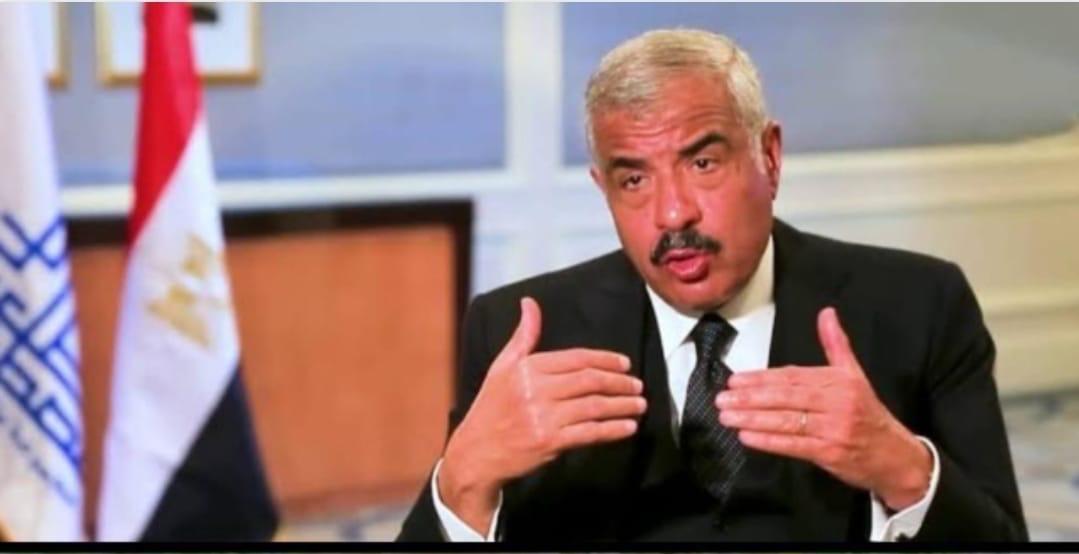
to manage these iconic historic hotels in Luxor and Aswan," said Hisham
Talaat Moustafa, CEO of TMG Holding, commenting on the partnership.

"These assets represent a core part of the historic
hotel portfolio we recently acquired, which has significantly expanded and
strengthened our hospitality ecosystem," Moustafa added.
"We are working to develop these heritage properties
into world-class luxury destinations and reinforce our position as a leading
hospitality platform in Egypt by combining Mandarin Oriental’s service
standards with TMG’s long-term investment vision and local expertise."
The partnership follows TMG’s landmark 2024 acquisition of a
historic portfolio comprising seven premier hotels. This move significantly
diversified the Group’s presence across Egypt’s most vital tourism hubs,
including Cairo, Alexandria, Luxor, Aswan, and Sharm El-Sheikh.
These historic properties complement TMG’s existing high-end
portfolio, which includes the Four Seasons in Cairo, Alexandria, and Sharm
El-Sheikh, as well as the Kempinski Nile Hotel in Cairo.

TMG is also expanding its hospitality footprint through
several major projects currently under construction. These include the Four
Seasons Luxor, Four Seasons Madinaty, a luxury resort in Marsa Alam, and a Four
Seasons adjacent to the Grand Egyptian Museum.
Upon completion, the group’s total capacity is expected to
reach approximately 5,000 rooms and suites, up from the current 3,500. This
expansion is aimed at bolstering TMG’s position as a regional luxury
hospitality leader while growing its foreign currency-denominated recurring
revenue.
Hospitality and recurring income streams now account for an increasing share of the group’s revenue, contributing more than half of its consolidated EBITDA (Earnings Before Interest, Taxes, Depreciation, and Amortization), underscoring a strategic pivot toward sustainable, long-term profitability.