
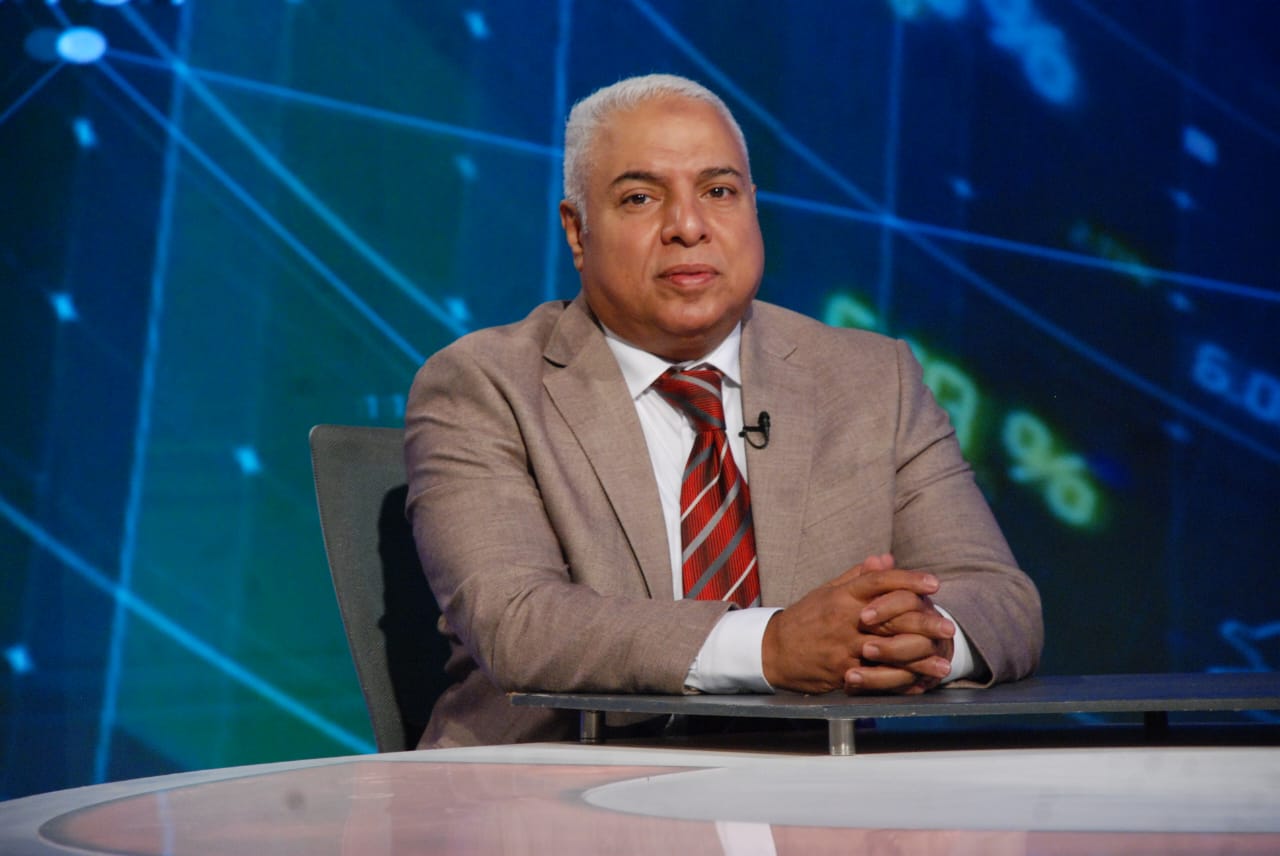
Nasr El-Din noted that peer countries, such as Morocco and Turkey, have successfully achieved similar goals by adopting an export-led growth model and strengthening the role of the private sector, describing it as an effective path to enhance national economic competitiveness.
He explained that the private sector is the main engine of
economic growth due to its capabilities in management, operation, efficiency,
and maximizing returns, all within an effective regulatory framework.
He added that the next phase requires completing structural
reforms, including developing dispute resolution mechanisms, simplifying
administrative procedures, and supporting small and medium-sized enterprises
(SMEs) as a cornerstone for job creation and productivity growth.
These remarks come as the Ministry of Finance announced
plans to study the launch of 13 public-private partnership (PPP) projects in
sectors such as organic waste recycling, technical education, dry ports,
industrial wastewater, and sanitation, with total investments estimated at
around EGP 20 billion.
Nasr El-Din emphasized that the private sector remains the
largest contributor to growth, job creation, and stimulating the economy,
noting that investment over the past decade has leaned more toward public
projects.
He stressed that deepening the partnership between the state
and the private sector is a strategic necessity to achieve sustainable
development goals. He added that past economic policy successes provide a
strong foundation, but the next phase requires expanding the private sector’s
role to reach target levels.
In this context, Nasr El-Din praised Engineer Kamel Al
Wazir, Deputy Prime Minister for Industrial Development and Minister of
Transport and Industry, for his efforts, saying the progress in industry and
infrastructure reflects a clear executive vision and firm management aimed at
creating an investment-friendly environment.
He also highlighted Al Wazir’s role in advancing industrial
development through the expansion of integrated industrial zones, development
of transport and logistics networks, and linking them to supply and export
chains, reducing production costs and increasing the competitiveness of
Egyptian products globally.
Nasr El-Din concluded that ongoing coordination between the
state and private sector, supported by executive leadership in the industrial
sector, is a key pillar for achieving Egypt Vision 2030 and maximizing the
private sector’s role as a main development partner.