
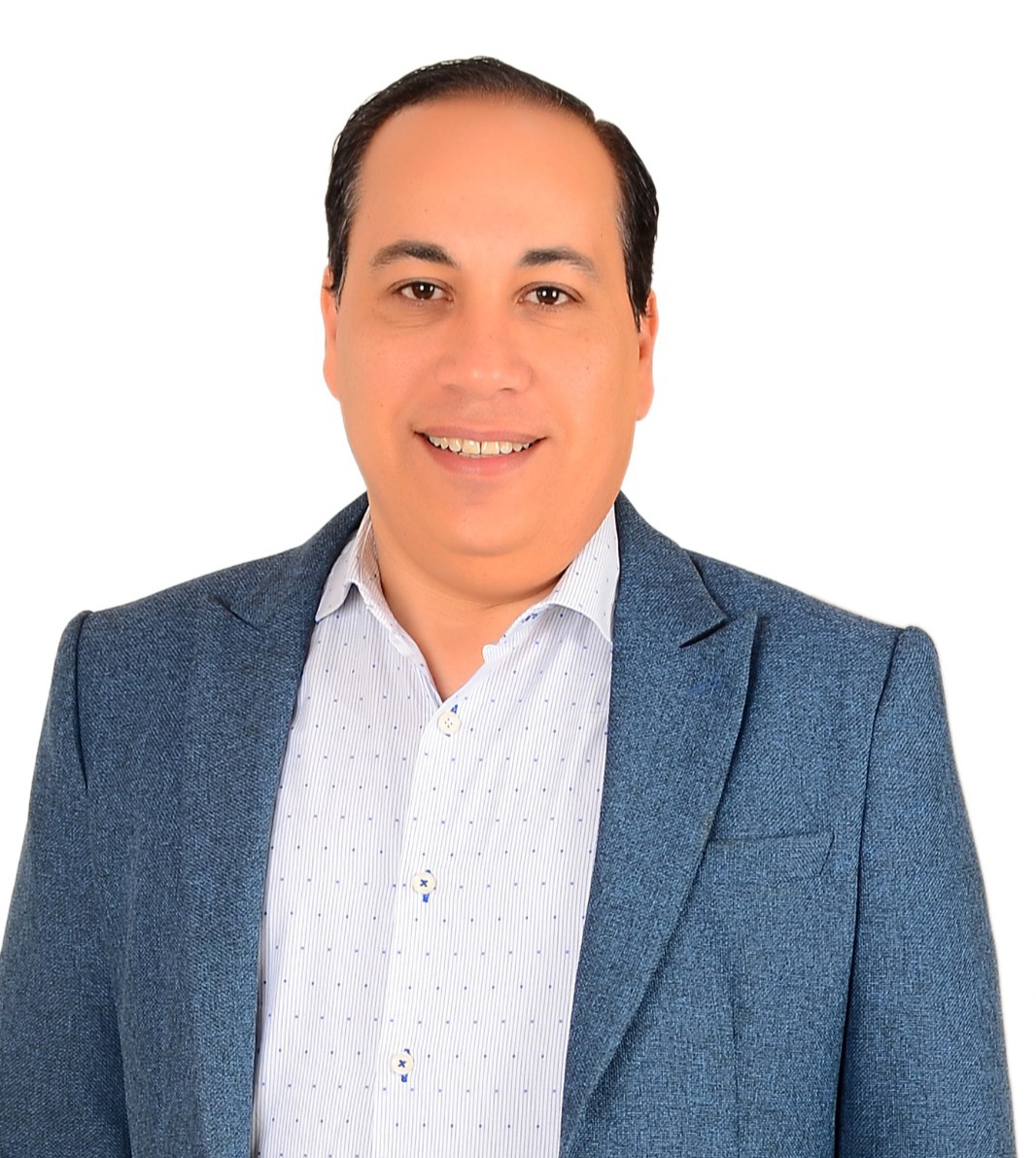
Saad summarized the urgent priorities for the tax authority through 2026, highlighting a shift toward digitalization, the integration of the informal economy, and a taxpayer-first approach to administration.
The upcoming 2026 strategy is designed to expand the tax base
and support economic activity by offering clear guarantees to taxpayers. This
priority reflects a strategy to encourage investment and provide a stable
fiscal environment.
A major pillar of the 2026 agenda is the implementation of a
second package of tax facilities. Key features include: Centralized Clearing: A
new system for offsetting tax balances and accelerating Value Added Tax (VAT)
refunds; White List Incentives: Special benefits for compliant taxpayers included
in a White List program; and Consultation Platform: A dedicated digital space
for continuous dialogue with the business community.
The authority also plans to simplify procedures for small
and medium-sized enterprises (SMEs) while reducing penalties and administrative
burdens to limit long-standing legal disputes.
Saad noted that 2026 will see a push for advanced digitalization,
including the deployment of artificial intelligence (AI) in tax administration.
Specialized task forces will lead pilot projects to enhance operational
efficiency and improve service delivery for taxpayers.
Expanding the tax base remains a top priority. The authority
plans to lure individuals and businesses from the informal sector into the
official system through: Simplified Tax Regimes: New systems tailored specifically
for small projects; Collaboration: Joint awareness campaigns with chambers of
commerce and provincial outreach programs; and Data Integration: Enhanced data
sharing between government agencies to track compliance and reduce tax evasion.
He concluded by noting that internal restructuring is equally vital. The Authority is expected to overhaul its performance evaluation systems and launch intensive training programs to ensure staff can keep pace with rapid legislative and technological changes.