
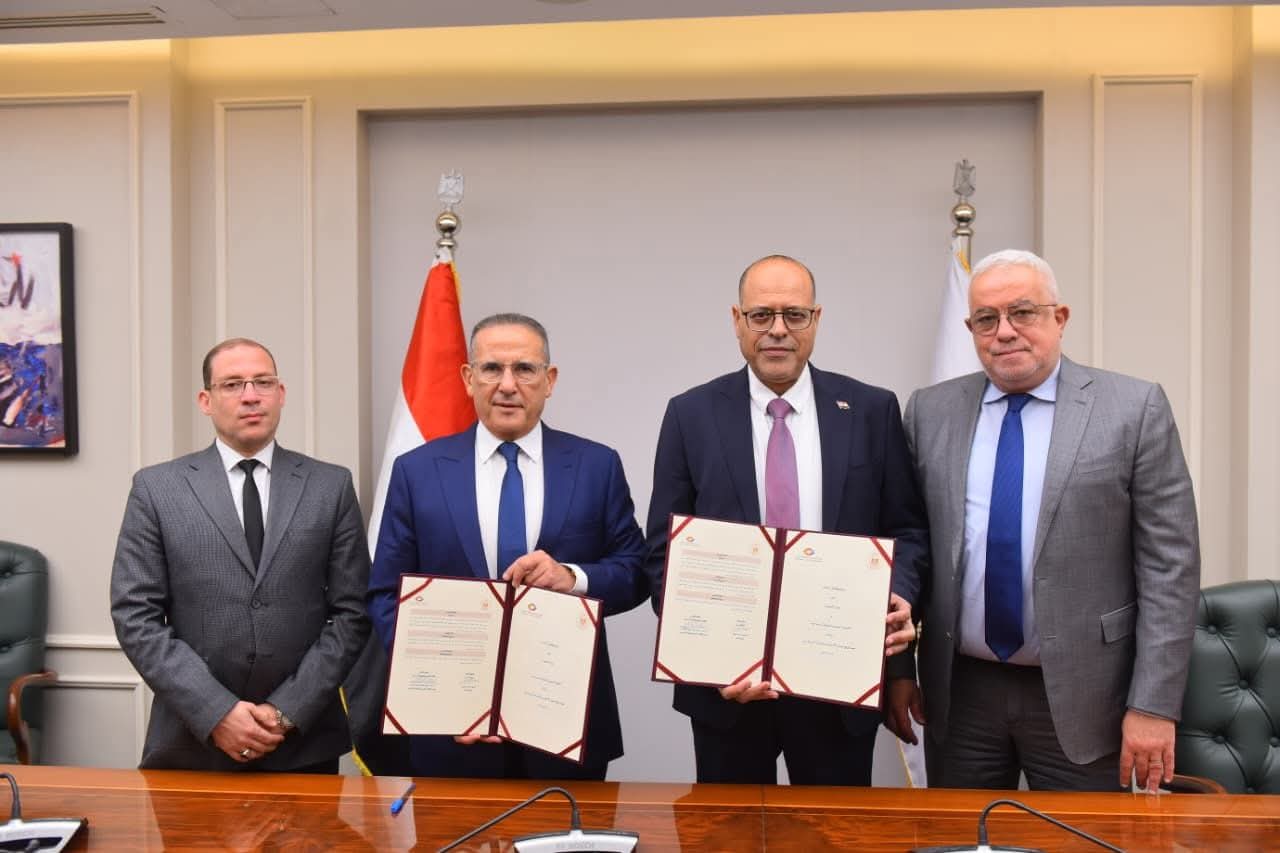
The agreement is part of national efforts to control the labour market within the sector, aiming to ensure a balance between the needs of tourism establishments and protecting job opportunities for Egyptian nationals.
The protocol aims to establish a comprehensive framework for
cooperation on issuing and regulating work permits for foreigners employed in
tourism establishments across Egypt. The new system is designed to ensure
unified standards, accelerate procedures, and achieve transparency and accuracy
in applying regulations governing this vital matter.
Both parties affirmed the agreement aligns with the Ministry
of Labour's mandate to develop the workforce and regulate labour relations for
all workers, while supporting the EFTC's role in improving the tourism sector's
work environment and attracting investments.
The protocol outlines several key objectives, including
unifying the controls for issuing work permits, facilitating procedures, and
working toward the electronic automation of the entire system. It also mandates
enhanced exchange of information and expertise to meet the specific
requirements of the tourism labour market.
Specifically, the agreement commits both parties to
cooperate in setting regulatory rules for permit issuance, providing necessary
technical support, and exchanging relevant technical and administrative data.
Under the protocol the Ministry of Labour is obligated to
issue a ministerial decree to regulate implementation, issue work permits for
foreign workers valid for one year, monitor procedures, and issue necessary
instructions to facilitate cooperation. It will also coordinate with the EFTC
to define the jobs permitted for foreigners, safeguarding the rights and
opportunities of Egyptian workers. Also the EFTC is committed to circulating
the regulatory rules to tourism establishments, collaborating with the Ministry
to create a unified digital platform for automating permit applications, and
preparing periodic reports detailing implementation results and progress rates.
The two sides also agreed to form a joint committee to
manage and monitor the protocol’s implementation, set timelines, and establish
technical, administrative, and financial controls. The committee will also be
responsible for settling any potential disputes amicably, with the full
confidentiality of exchanged information and data guaranteed.
The protocol underscores the Ministry of Labour and the EFTC's joint commitment to developing the tourism work system, achieving discipline in the labour market, and supporting State efforts to grow the tourism sector as a key pillar of the national economy.