
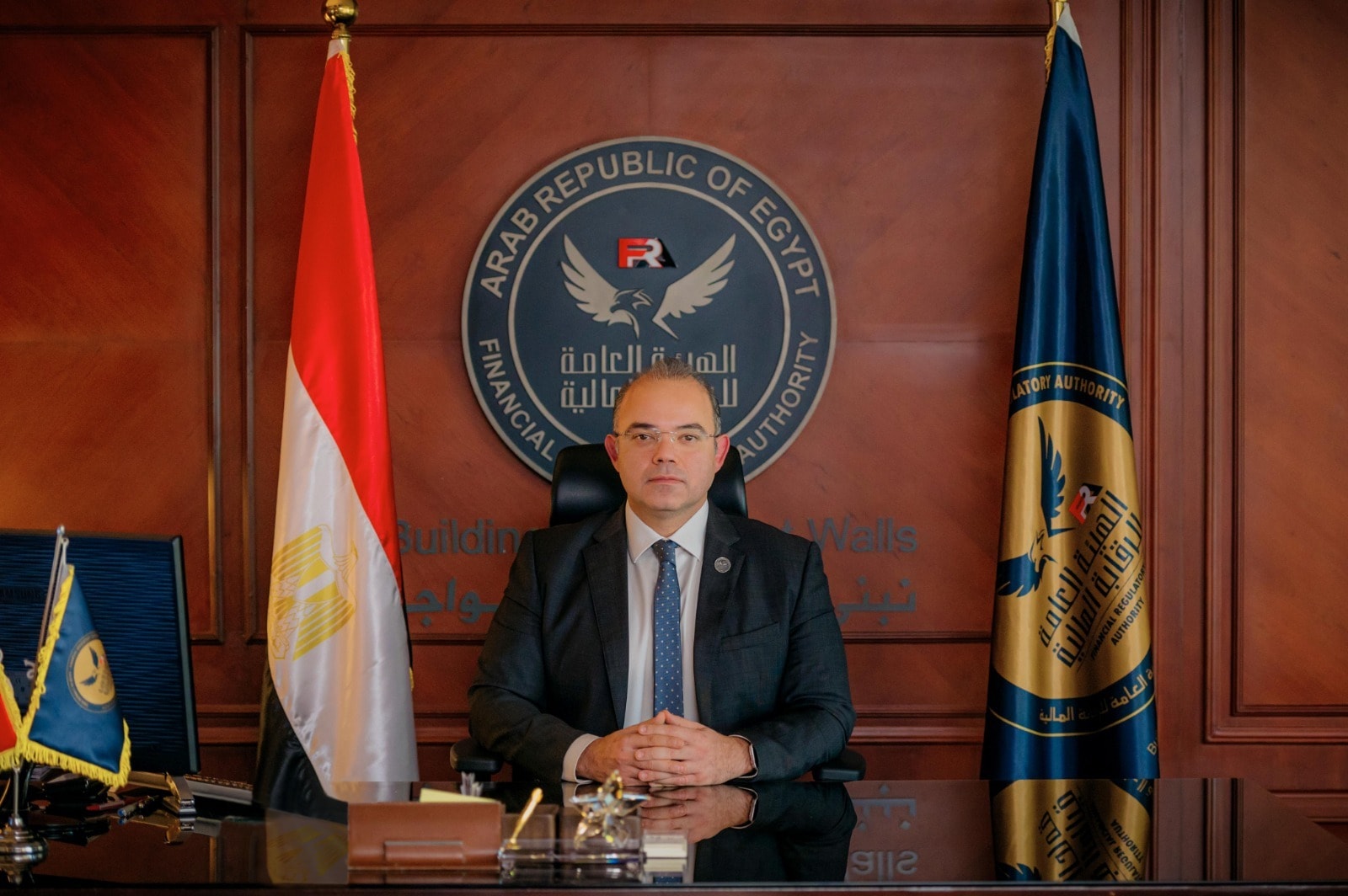
This action follows an extensive period of monitoring and examination that confirmed the entities’ violation of the legislative framework for microfinance, established by Law No. 141 of 2014 and its amendments (Law No. 201 of 2020).
Dr. Farid confirmed that the FRA only resorted to this
measure after granting the non-compliant entities sufficient time to rectify
their status and after exhausting all means of communication and warnings
without any positive response.
The regulatory review revealed that the violations that
necessitated the revocation were primarily focused on:
Complete Cessation of Activity: Total absence and failure to
engage in the core microfinance activity or provide any funding services to the
targeted beneficiaries, thus defeating the primary purpose of the license.
Serious Breach of Regulatory Requirements: Persistent
refusal to submit periodic reports and financial statements, which prevented
the FRA from assessing their financial positions and monitoring performance.
Non-Integration with Market Infrastructure: Ignoring the
obligation to comply with the Credit Inquiry System and losing membership in
the Egyptian Federation for Small, Medium, and Microfinance (EFMSME), both of
which are essential requirements for practicing the activity and ensuring
discipline.
This decision is viewed as a continuation of the FRA's
strategy to strengthen the stability of Non-Banking Financial Activities and
build a more efficient market capable of supporting the most vulnerable
segments of society.
Following the revocation, the official registry of licensed
microfinance associations and institutions now includes 754 NGOs and
foundations, categorized by their loan portfolio size:
Class (A): 23 entities with portfolios exceeding EGP 50
million.
Class (B): 33 entities with portfolios ranging from EGP 10
million to EGP 50 million.
Class (C): 698 entities with portfolios of EGP 10 million or
less.
Dr. Farid stated that the FRA’s philosophy is not aimed at
punishing entities but at building a strong, resilient, and sustainable
microfinance sector. He emphasized that the presence of undisciplined or
inactive entities harms the sector's reputation and poses inherent risks that
could threaten its stability.
The measure is expected to regulate the market and reinforce
the role of serious institutions that demonstrate commitment to professional
rules and regulatory standards, thereby enhancing client protection and raising
levels of financial and investment inclusion.
The FRA also stressed its commitment to continue providing technical support and specialized training to compliant associations in partnership with relevant authorities to enable their expansion and outreach to new customer segments.