
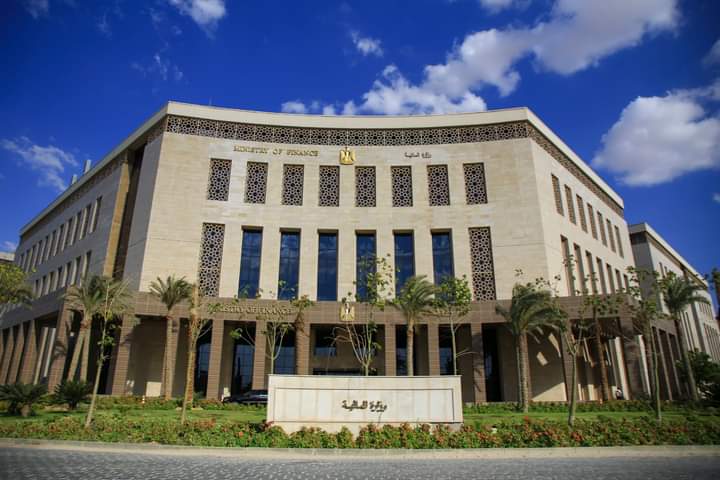
The move is part of the ministry's strategy to diversify funding sources and lower borrowing costs by expanding the investor base to include savers interested in Sharia-compliant financial instruments. This is expected to contribute to cost reduction and the extension of the debt portfolio's maturity profile.
The issuance was five times oversubscribed, demonstrating
strong market appetite. The accepted rate of return for the sovereign Sukuk
proved to be less costly than traditional bonds.
The average yield for the sovereign Sukuk reached 21.56%,
marking a 26.2 basis point (bps) decrease compared to the indicative price of
traditional bonds issued the previous week, which carried a yield of 21.82%.
Furthermore, the average yield for the Sukuk was approximately 14.3 bps lower
than the three-year Treasury bonds issued on the same day, which were accepted
at an average yield of 21.703%.
The primary market offering was conducted through public
tenders, with subscriptions accepted via 16 primary dealer banks, in addition
to the four Islamic banks operating in Egypt: Faisal Islamic Bank, Abu Dhabi
Islamic Bank (ADIB), Al Baraka Bank, and Kuwait Finance House (KFH).
The Finance Ministry previously established a general
programme for local sovereign Sukuk issuances under an Ijara (leasing)
structure, compliant with Sharia principles. The programme has a total volume
of EGP 200 billion, under which several sovereign Sukuk will be issued. These
instruments will be subject to the same tax and accounting treatment currently
applied to government Treasury bonds.
This is consistent with the ministry’s strategy to expand its investor base and reduce the cost of debt service. Future sovereign Sukuk offerings are announced through the quarterly issuance schedule published on the Ministry of Finance website.