
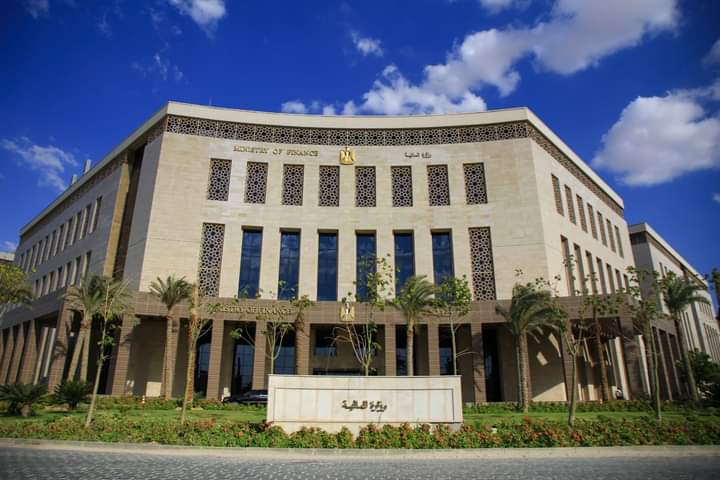
The ministry indicated that ownership of the land will not be transferred to any entity. Instead, the land designated as collateral will remain under the complete ownership of the Egyptian state, as represented by the Ministry of Finance and relevant government entities with economic activity.
The Ministry of Finance stated that its aim is to optimally
develop a portion of the land by entering into deals and partnerships with
state financial sector entities and economic bodies. This involves exchanging
existing debts of budget agencies owed to these government entities for joint
investments. This strategy will, firstly, reduce budget agencies' debt, along
with its servicing cost and burden. Secondly, it will facilitate the
development of these lands into productive, service, tourism, and real estate
projects, generating good, continuous, and sustainable economic returns for the
state for future generations, while also creating additional job opportunities
for youth.
The ministry indicated that these measures will improve public finances, reduce government debt, boost economic activity, enhance the Egyptian economy's competitiveness, lower financing costs, and create additional fiscal space. This space can then be used to increase spending on social protection programs for the most vulnerable and lower-income groups, as well as boosting allocations for human development in health and education. This will benefit a wide range of Egyptians through additional support and a tangible improvement in service quality.