
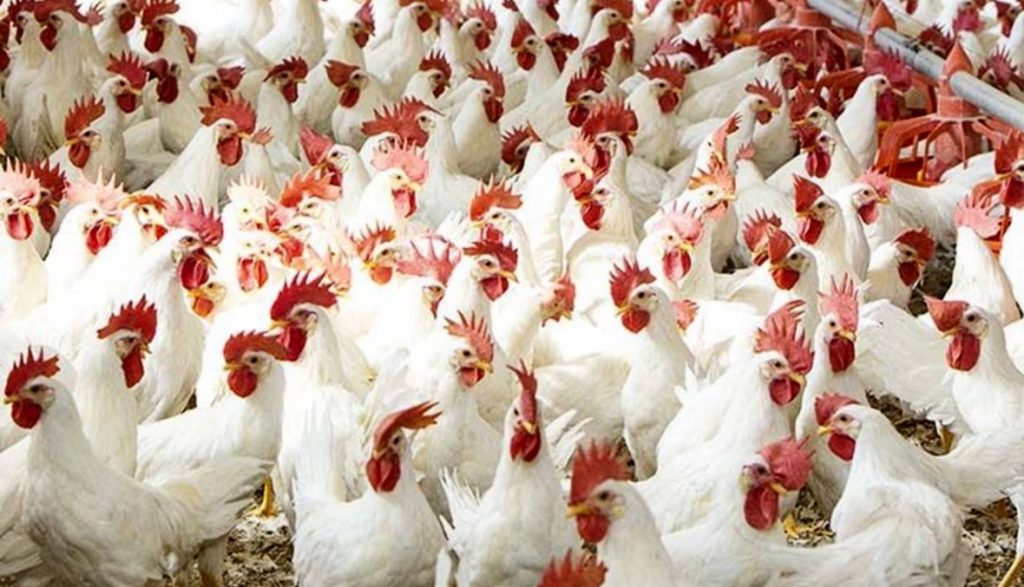
This announcement follows a report received by Alaa Farouk, Minister of Agriculture and Land Reclamation, from Dr. Hamed Al-Aqnas, head of the General Organization for Veterinary Services (GOVS). The report details GOVS's efforts to protect poultry in Egypt as part of its national plan for active surveillance, vaccination, and field control.
According to the report, extensive campaigns involving active
surveillance and large-scale vaccinations have been conducted on poultry farms
across all governorates since the beginning of the year. As part of the passive
and active surveillance plan, 36,844 samples were collected from 16,029 farms.
Additionally, 4,589,575 birds in home rearing and nurseries were vaccinated,
with regular farm visits to monitor biosecurity application and provide
technical guidance.
Al-Aqnas also highlighted efforts to support exports and
enhance the readiness of isolated facilities. He noted that 37 Egyptian
isolated facilities are already registered for export on the World Organization
for Animal Health website, with an additional 18 awaiting accreditation. Sample
collection from these facilities continues to ensure compliance with export
standards for importing countries, including the UAE, Saudi Arabia, Jordan,
Libya, Uganda, Ethiopia, Cameroon, Nigeria, Zambia, and Malawi.
Addressing recent social media discussions about widespread
epidemic diseases among poultry, Al-Aqnas stated that GOVS conducted a
comprehensive field epidemiological survey over the past two days. This survey
assessed the health situation on approximately 951 farms nationwide, covering
over 8 million birds, including chickens, ducks, turkeys, geese, and quails.
Results showed the infection rate did not exceed 4 per thousand. He affirmed
that intensive surveillance efforts will continue across various governorates
as part of the early warning plan, with regular follow-up reports published to
inform the public about the epidemiological situation with full transparency.
GOVS emphasized its continued availability to receive
reports or inquiries from breeders 24/7 via hotline 19561, as part of its
immediate response plan and ongoing field support.
The Chairman of GOVS reiterated the commitment to continuing the integrated preventive plan, which includes field monitoring, epidemiological surveillance, and expanded vaccinations in coordination with relevant authorities. He stressed that GOVS remains dedicated to supporting small breeders and enhancing the biosecurity system as part of the state's efforts to achieve food security and sustainable development.