
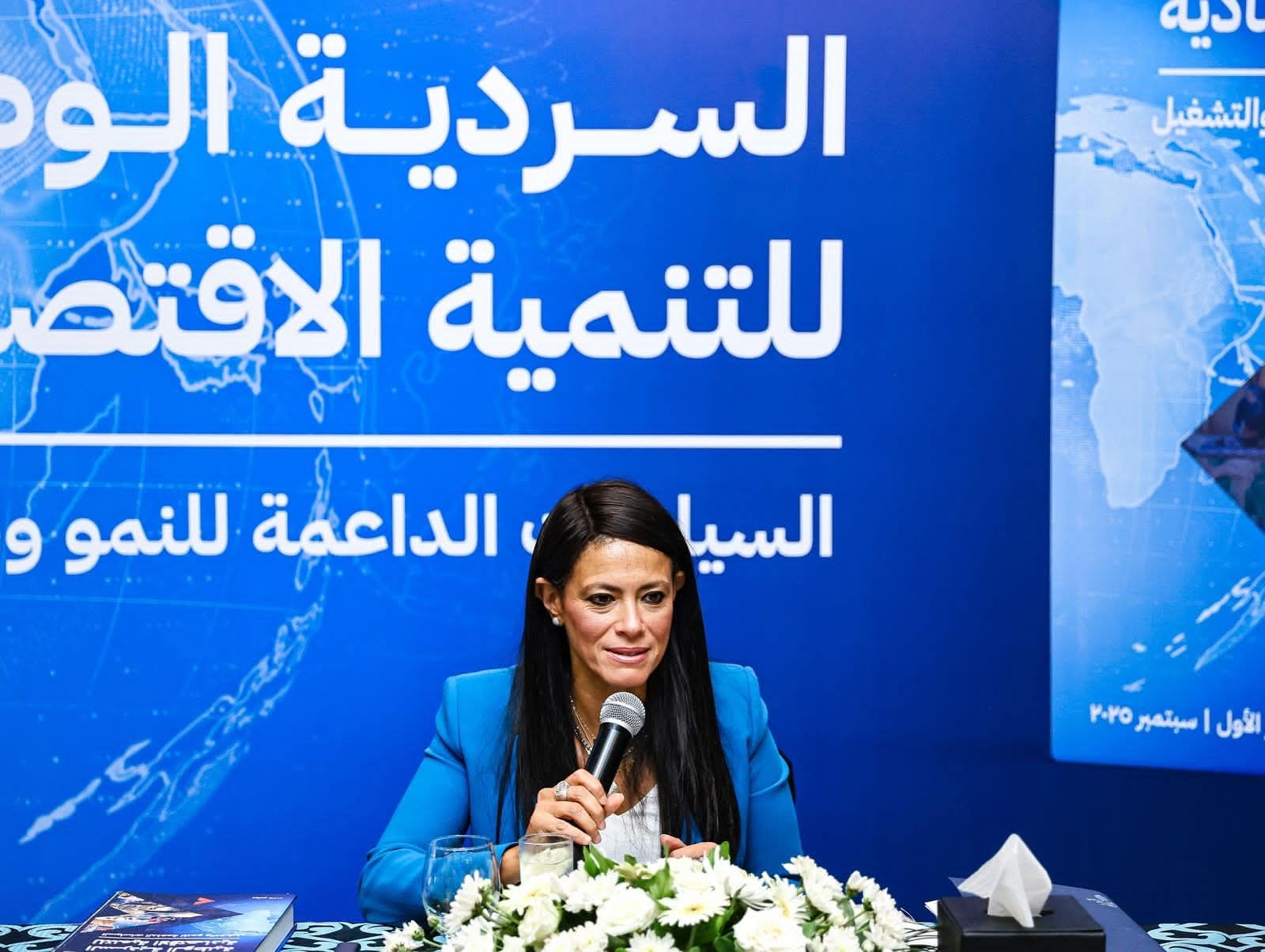
The statement highlighted that the “National Narrative for
Economic Development” represents an economic and structural reform program
defining Egypt’s economic model. The model focuses on consolidating
macroeconomic stability and shifting toward higher-productivity sectors with
greater economic complexity. It also aims to leverage Egypt’s strong
infrastructure, which supports manufacturing and exports, as well as its
strategic geographic location. The program continues the National Structural
Reform Program to unlock the economy’s potential and drive private-sector-led
growth through a coordinated national effort.
The Ministry and the EBRD noted that, through international
cooperation and their strategic partnership, Egypt has achieved progress in
implementing strategic projects. At the same time, the country has developed
sector-specific strategies with technical support, including the National Green
Hydrogen Strategy. Efforts have also focused on expanding private sector
financing, including through blended finance instruments. These integrated
initiatives have been pivotal in strengthening the foundations of Egypt’s new
economic model.
The EBRD, among multilateral development banks, is the
largest financier of the private sector, accounting for 22% of total funding,
approximately $16 billion, since 2020. The bank plays a key role in
implementing the European Union’s Investment Guarantee Facility (EFSD+),
attracting both domestic and foreign investments. It supports the private
sector through a comprehensive strategy reflecting Egypt’s national priorities.
This includes promoting the green transition, developing small and medium-sized
enterprises, and providing technical assistance to encourage public-private
partnerships.
The joint statement emphasized that the strategic
partnership with the EBRD has been crucial in promoting sustainable
infrastructure, industrial development, and renewable energy. It has expanded
access to finance through credit lines for local banks, including for SMEs and
startups. The initiatives place special focus on empowering women and youth.
The statement also highlighted that concessional financing
from the EBRD has advanced digital transformation and stimulated investment
through pioneering initiatives, such as the National Platform for the Nexus of
Water, Food and Energy (NWFE) program. These measures strengthen the resilience
and position of the Egyptian economy and support inclusive, sustainable,
private-sector-led growth.
The Ministry and the EBRD concluded that accelerating
reforms is a key factor in advancing Egypt’s new economic model. This model
consolidates macroeconomic stability and unlocks the potential of the private
sector as the primary driver of growth, job creation, and innovation. The EBRD
reaffirmed its readiness to support Egypt’s economic reform agenda through this
partnership, which exemplifies integrated efforts to enhance growth, employment,
and economic resilience.