
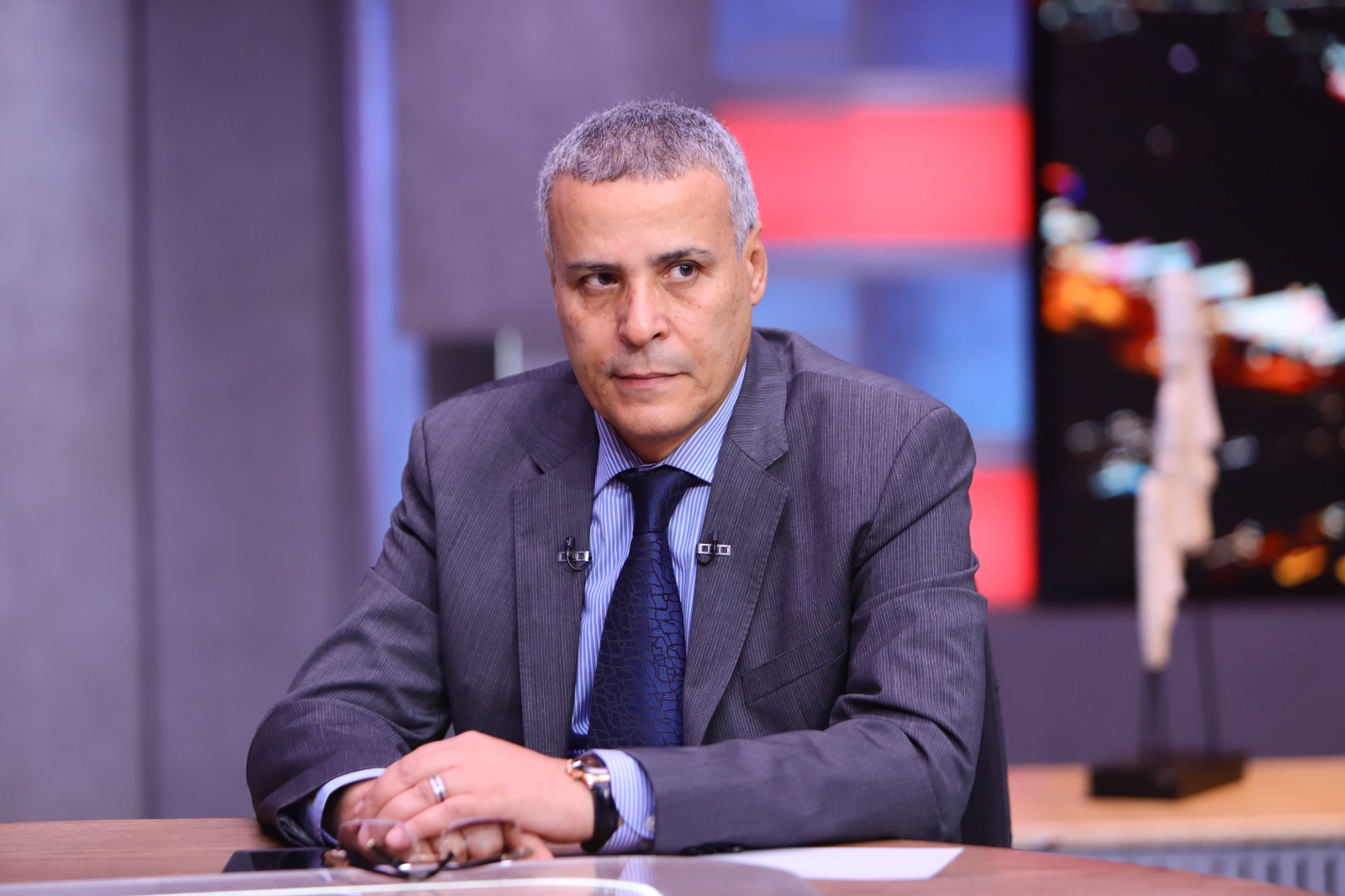
Qenawy explained that some traders adopt a dual pricing logic that shifts based on the need to preserve capital, without regard for pricing fairness. When the dollar's value rises, all goods — including old stock — are priced at the new, higher rate, under the pretext of preventing capital erosion.
Conversely, when the dollar's value falls, traders do not
lower prices, justifying it by claiming they hold inventory purchased at a
higher rate. They continue to sell at old prices until this stock is depleted.
"In clearer terms, when the dollar rises, goods are
priced in dollars, and when it falls, they are priced in pounds. In both cases,
the consumer is harmed," Qenawy said, calling this situation illogical and
unacceptable.
Qenawy stressed that a fair solution lies in adopting a
single, consistent pricing policy based on calculating the average actual cost.
"Inventory cost + new goods cost = total costs, then
divided by the total number of units, to get a real and fair cost," he
elaborated.
He affirmed that the current phase demands a responsible
stand from everyone — a stand with oneself, with the citizen, and with the
nation. Qenawy emphasized that creating a fair pricing equation is not only the
state's responsibility but also a direct responsibility of the business sector
in all its components, from importers and manufacturers to traders and
distributors.
"We are in a time of crisis, but we trust that Egypt, with its honest traders and conscious consumers, can overcome it if each party bears its responsibility towards a nation that deserves fairness," Qenawy concluded.