
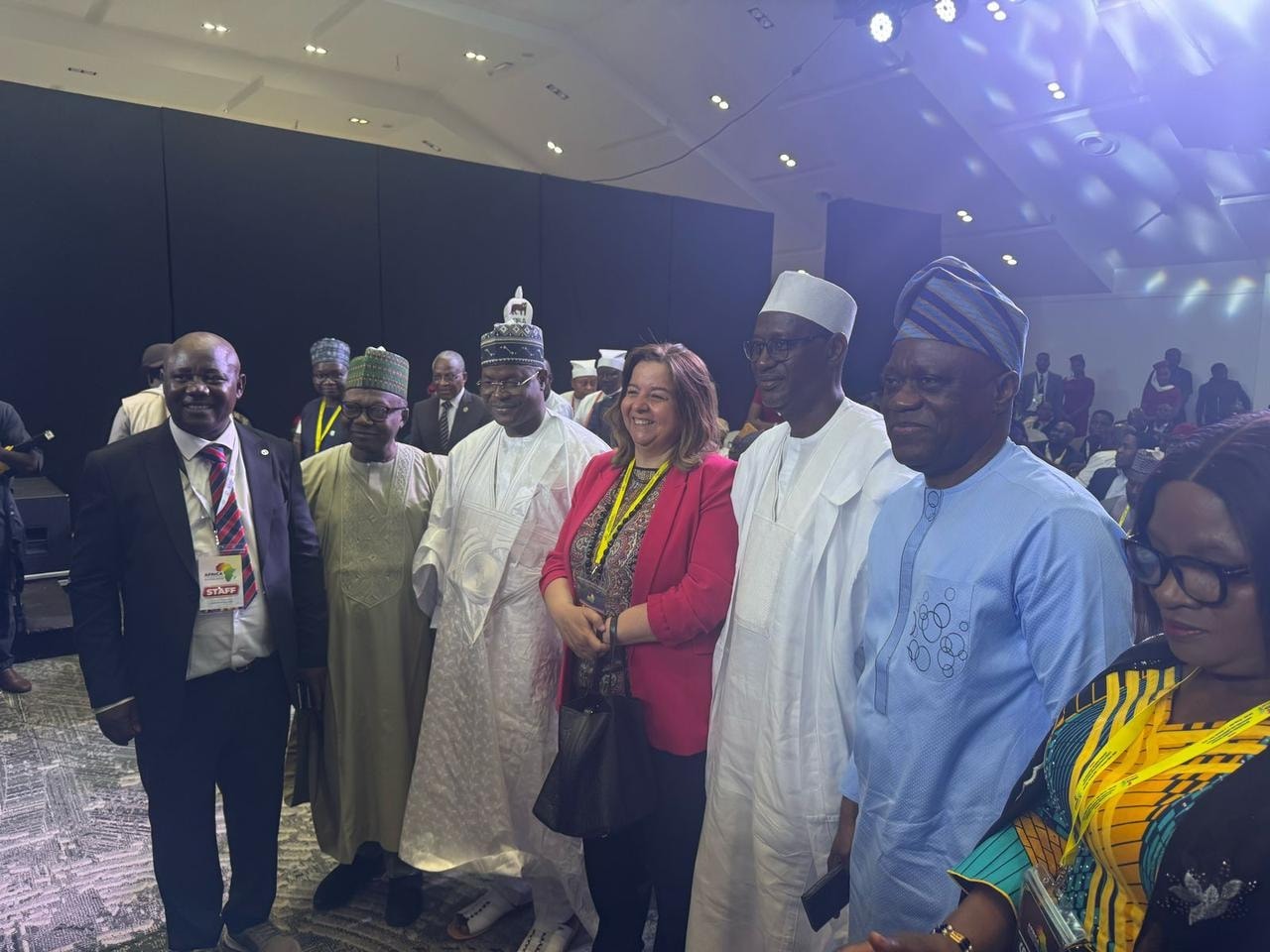
Abdel Hamid detailed how the "Housing for All Egyptians" programme, one of the largest subsidized housing schemes in the Middle East and Africa, has so far provided homes for over 650,000 low and middle-income citizens.
The programme employs unified eligibility criteria,
targeting individuals aged 21 to 50 who do not already own property. It offers
direct cash subsidies up to EGP 160,000, determined by income. The fund has
disbursed over EGP 10 billion for down payments, with total support, including
financing and utility subsidies, covering 50-60% of a unit's cost.
The initiative provides units for low-income individuals
earning up to EGP 12,000 monthly (EGP 15,000 for families) and middle-income
earners up to EGP 20,000 monthly, EGP 25,000 for families.
Beyond providing housing units, Abdel Hamid stressed the
programme's focus on creating integrated urban communities with comprehensive
services and infrastructure. Over 1,170 service projects, including hospitals,
schools, markets, and social clubs, have been implemented within these new
communities.
Connectivity to urban centers is enhanced through smart
transportation networks and digital applications providing real-time transit
information, improving accessibility and reducing commute times.
Abdel Hamid also highlighted the fund's innovative financing
strategies, including collaborations with the Central Bank of Egypt and the Ministry
of Finance to offer subsidized mortgage interest rates not exceeding 8% for
low-income and 12% for middle-income citizens.
To boost financial inclusion, the fund has partnered with 31
banks and mortgage finance companies, facilitating approximately EGP 88 billion
in mortgage financing and integrating 65% of beneficiaries into financial
inclusion programmes.
She also unveiled the "Low-Cost Green Housing"
initiative, aiming to construct over 55,000 sustainable units using
eco-friendly materials and energy/water-saving features. Some 25,000 units are
Green Pyramid Rating System (GPRS) certified, with another 14,000 awaiting EDGE
certification, underscoring Egypt's commitment to climate action.
Abdel Hamid noted the fund's successful digitisation of all
application processes, leading to faster approvals, quicker unit deliveries,
and enhanced transparency.
She concluded by presenting the Egyptian experience as a viable model for other African nations, emphasizing the synergy between government support, smart financing, urban expansion, and digital transformation. She also highlighted opportunities for Egyptian contracting firms to collaborate on similar low-cost social housing projects across Africa.