
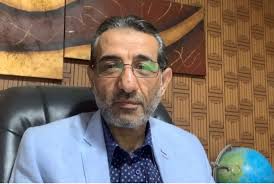
El-Samdony noted that the Egyptian state is seeking to
capitalize on the Red Sea Governorate’s strategic location by establishing two
commercial hubs, one in Safaga and another in Hurghada. He explained that with
its coasts on both the Red Sea and the Mediterranean, Egypt is actively
developing its ports and setting up free zones to attract investment and
facilitate import and export operations.
He stated that the implementation of the Safaga 2 terminal
is part of a broader vision that includes the integrated logistics corridor
linking Safaga, Qena, and Abu Tartur. This corridor is one of seven
international logistics routes currently under development by the government to
enhance Egypt’s global role in transportation and shipping services.
He emphasized that the project represents a qualitative leap
for the Red Sea Governorate and supports tourism, passenger, and cargo movement.
He added that logistics services are now a fundamental component of
international trade amid increasingly complex supply chains. As such,
strengthening this corridor has been a key focus of Egyptian efforts in recent
years to boost global competitiveness.
El-Samdony stated that Safaga 2 is the main maritime gateway
for developing the Upper Egypt region. It supports mining operations in the
Golden Triangle area, which includes Safaga, Quseir, and Qena. The terminal
also contributes to export and import plans across northern, central, and
southern Upper Egypt by linking the region to the port and providing a modern
transportation system that supports industrial and service integration.