
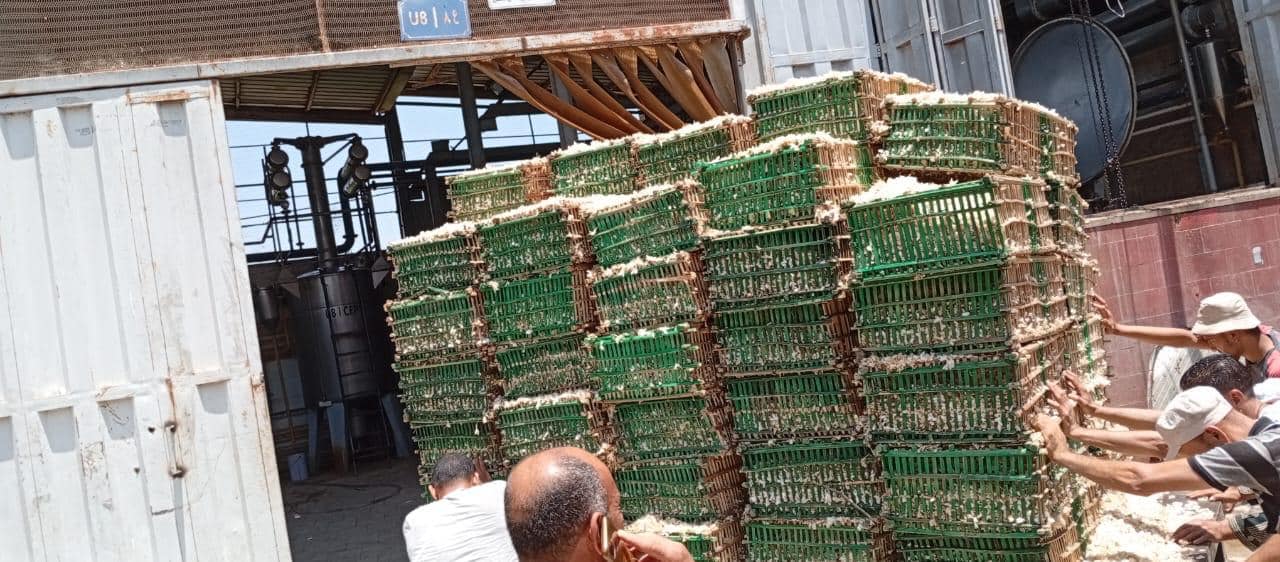
This came after the intervention of Alaa Farouk, Minister of Agriculture, and the Governor of Gharbia to resolve the supply price problems of jasmine to various factories, and to respond to complaints from jasmine farmers in the village of Shubra Beloula, Gharbia Governorate.
This comes as part of the mandate to remove all obstacles facing jasmine farmers and their supply operations. A joint meeting was held last Saturday at the Agriculture Directorate, attended by the Director of Agriculture in Gharbia Governorate, Engineer Badr Atef, Factory Manager, Mohamed El-Sharkawy, speaking on behalf of the jasmine farmers in Shubra Beloula, Anwar Abdel Hamid, and a number of senior farmers.
Following the joint meeting, the Undersecretary of the Ministry of Agriculture immediately headed to the factory headquarters and negotiated with the citizens, the Farmers' Syndicate head, and the factory manager. The parties were brought together and the problem was resolved. Jasmine was now being supplied at EGP 105 per kilo, instead of the previous price of EGP 90 to EGP 95 per kilo. Farmers were also reluctant to collect the flowers and supply them to the Ahmed Fakhry Jasmine Factory.
Farouk is considering forming a committee tasked with determining the price of jasmine each season and resolving any problems that may arise, to avoid recurrence of these problems every jasmine growing season.
He stressed the importance of jasmine cultivation in providing a steady income for many families and farmers, especially since jasmine contributes a significant percentage of household income in some areas. Jasmine oil is considered one of the most expensive and important essential oils in the world. Egypt aims to benefit from jasmine processing to achieve added value as an agricultural crop for medicinal and aromatic plants.
The Minister of Agriculture explained that jasmine products contribute to boosting exports and generating hard currency, especially as Egypt is one of the world's largest exporters of jasmine. Jasmine cultivation also provides job opportunities, as growing jasmine, picking its flowers, and processing them requires a large workforce, which contributes to providing job opportunities for many people, especially in rural areas, and contributes to improving the standard of living in rural areas.