
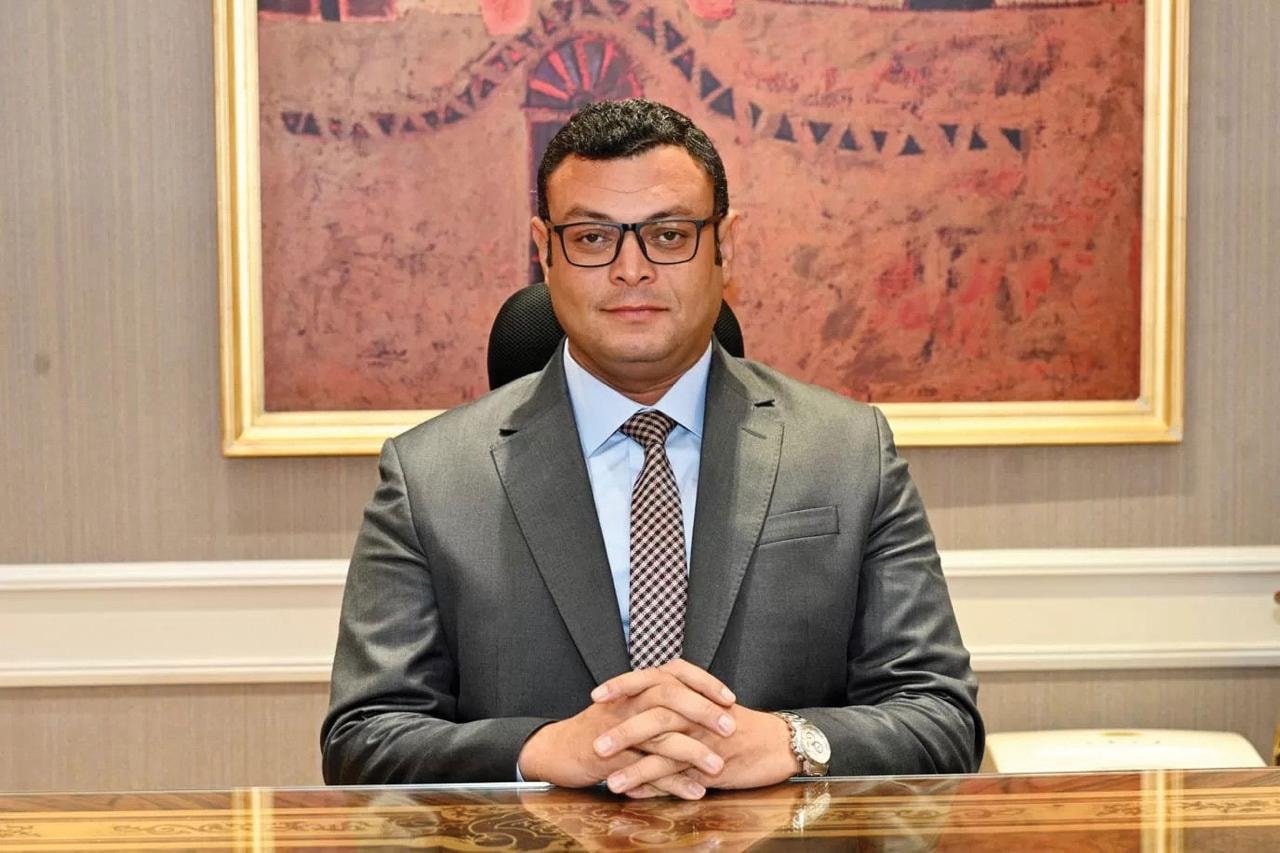
El-Sherbiny stressed that this protocol falls within the framework of the Ministry's efforts to create vibrant new cities that not only provide housing and services, but also offer an integrated human environment that supports creativity. He added that the government believes beauty is an integral part of quality of life, and art is an essential element in shaping citizens' awareness and building a contemporary urban identity befitting the future of the new republic.
He explained that through this exemplary cooperation, the Egyptian state is establishing a new generation of smart and cultural cities that reflect a unique blend of modernity, beauty, and identity, in line with the goals of Egypt's Vision 2030 for sustainable development.
Engineer Amin Ghoneim, Deputy Chairman of the New Urban Communities Authority for Real Estate and Commercial Affairs, emphasized that signing this protocol represents a pivotal step in the Authority's plan to integrate the cultural dimension into urban development policies. He noted that new cities are no longer merely residential communities, but rather comprehensive development platforms that must reflect the spirit of modern Egypt and provide citizens with an environment that stimulates creativity and enhances public taste.
For his part, Dr. Walid Mohamed Abdullah Kanoush, Head of the Fine Arts Sector, expressed his pride in the partnership with the Authority, stressing that the sector will leverage all its technical and institutional expertise to support this cooperation and transform the new cities into inspiring models that embrace art and showcase Egypt's soft power to the world.
This protocol comes in implementation of the Minister of Housing's directives to develop the cultural and aesthetic aspects of new cities, transforming them into cultural platforms that embrace art and creativity and express Egyptian history and future aspirations. This will contribute to enhancing the marketing and investment value of these cities and attracting citizens and investors, not only for housing, but also as integrated cultural and urban destinations.
The protocol's importance lies in its role as a strategic tool for transforming new cities into vibrant human environments brimming with art and creativity. It stipulates the establishment of an international sculpture symposium, the organization of a mobile museum, the allocation of outlets for marketing cultural industries, and the provision of spaces for advertising artistic events.
The protocol contributes to promoting new cities as global platforms for contemporary art by attracting Egyptian and international artists, staging interactive exhibitions open to the public, and utilizing open spaces in new urban projects as arenas for community art and expressive sculptures. This enhances visual identity and creates a distinct spatial memory that will connect generations.