
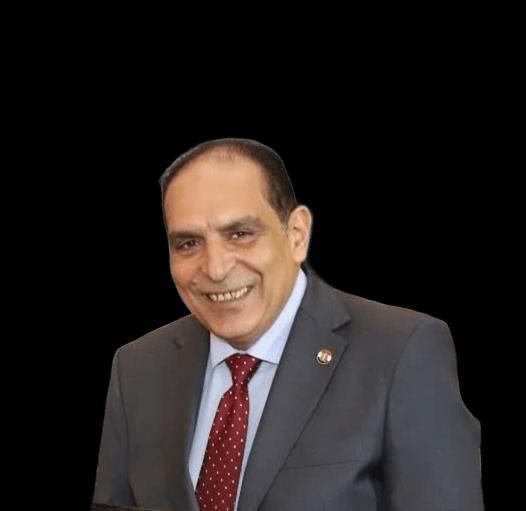
Al-Argawy explained that President Abdel Fattah El-Sisi’s repeated directives to remove obstacles to partnerships with the private sector represent a practical step towards the full implementation of the State Ownership Policy document. This aligns with global trends supporting the empowerment of the private sector, as international institutions believe that expanding government participation in companies can limit growth and put pressure on revenues and profits.
He noted that the economic messages delivered by the
President during his participation in the Davos Forum clearly reflected the
state’s strategy to promote sustainable development and attract investments,
emphasizing that the private sector is a key partner in achieving inclusive
growth. The President also urged investors to take advantage of available
opportunities and incentives, while stressing the importance of creating an
attractive environment for entrepreneurship and investment.
Al-Argawy stressed the need to provide greater opportunities
for the private sector and open new horizons for investors, given its
efficiency and capacity for development and innovation, which contributes to
maximizing returns, increasing profits, and creating sustainable job
opportunities.
He affirmed that achieving the desired economic growth
depends on the ability of the public and private sectors to build a genuine
partnership to establish economically viable projects capable of attracting
investments and firmly positioning Egypt on the regional investment map.
Al-Argawy pointed out that Egypt implemented projects under
the public-private partnership system with investments amounting to
approximately EGP 50 billion during 2024 and 2025, with expectations that the
volume of investments will rise to around EGP 90 billion by the end of this
year, in light of the accelerated pace of reforms and the improved investment
climate.