
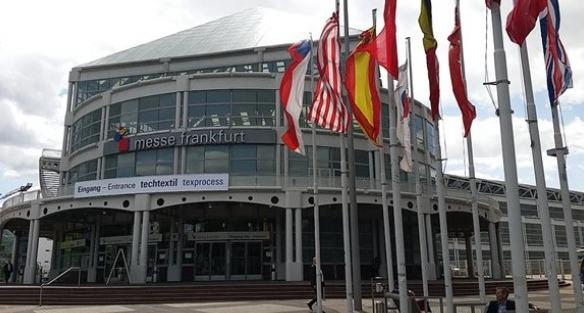
This year’s exhibition features a massive global presence, with more than 2,800 exhibitors from 130 countries showcasing the latest advancements in production quality and fashion design to an estimated audience of 50,000 international trade visitors.
Egypt has notably expanded its footprint this year,
participating with a delegation of 23 specialized companies, an increase of
three companies over the previous year. The Egyptian pavilion features a mix of
public and private sector giants, including:
Oriental Weavers: The global leader in machine-made rugs and
carpets.
Egyptian Cotton Hub (ECH): Showcasing premium
"nit" collections and high-quality hospitality linens.
Nile Linen Group: A major exporter of luxury bedding and
home textiles.
Suez Polyester and Zahrat El-Mahalla: Highlighting advanced
dyeing, weaving, and synthetic fiber capabilities.
Egypt-Spain Blankets and Aktan Misr: Specializing in thermal
textiles and high-absorbency cotton products.
The Egyptian participation is organized by the Home Textiles
Export Council, headed by Engineer Saeed Ahmed, in strategic coordination with
the Ministry of Investment and the Ministry of Industry and Trade.
The robust turnout at Heimtextil 2026 aligns with the
Egyptian government’s aggressive strategy to transform the textile sector into
a global export powerhouse. To support this vision, the state has significantly
bolstered its fiscal and logistical support for exporters.
Export subsidy allocations have surged from EGP 4 billion at
the inception of the Export Support Fund to EGP 40 billion in FY 2026. The
government has set an ambitious target to increase Egypt’s total export value
to $140 billion by 2030, a substantial leap from the current $43 billion.
New measures have been implemented to resolve manufacturing
bottlenecks and drastically reduce customs clearance times, backed by the
country’s modernized road and logistics infrastructure.
Industry leaders at the fair noted that Egypt’s "Textile Revolution", characterized by the world’s largest spinning and weaving factories and a focus on 100% Egyptian Cotton, positions the country as a highly competitive alternative to Southeast Asian markets, particularly for European and American buyers seeking quality and sustainability.