
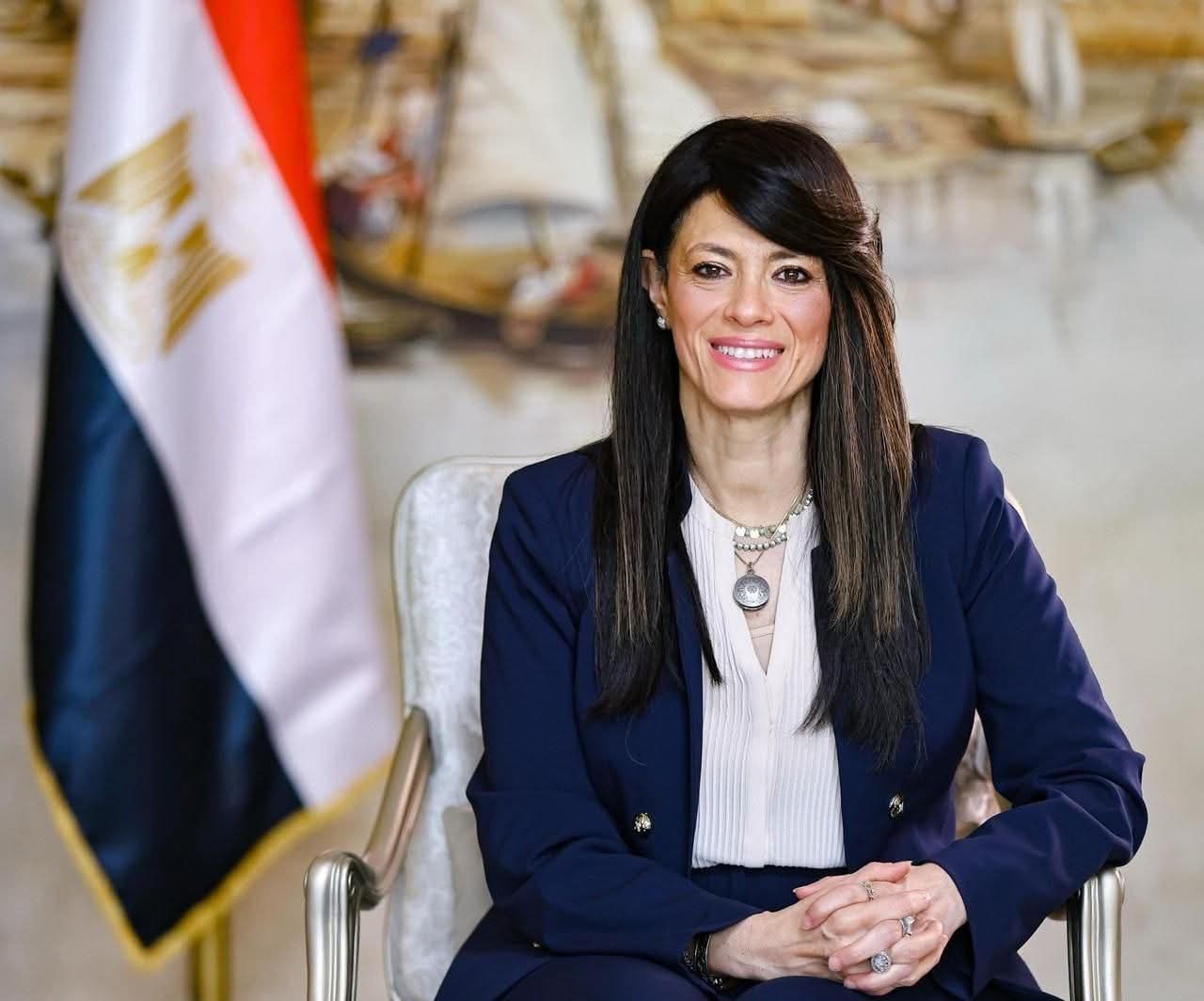
The announcement followed the European Union’s approval of the first tranche of the second phase of the Macroeconomic Support and Budgetary Assistance Mechanism, valued at €1 billion.
Dr. Al-Mashat explained that the concessional financing
agreed with development partners comes within the state’s efforts to implement
the National Structural Reform Program. She said the financing is linked to
comprehensive economic, social, and sectoral structural reforms under a clear
timeline. She noted that the objective is to maintain reform momentum, unlock
the potential of the Egyptian economy, and enhance its competitiveness. She
stressed that continued reform is the only way to strengthen the confidence of
the business community and investors and to build on the economic improvement
witnessed in 2025.
She added that concessional financing is among the least
costly financing instruments in international markets. She said it contributes
to expanding the fiscal space available to the state general budget and extending
debt maturities. She noted that this is in line with the state’s efforts to
enhance debt sustainability, lengthen maturities, and reduce debt burdens in
the short term.
Al-Mashat pointed out that the concessional financing
includes around $795 million in guarantees for the issuance of Panda and
Samurai bonds. She explained that this includes $200 million from the Asian
Infrastructure Investment Bank and $595 million from the African Development
Bank. She said this enhances Egypt’s presence in international markets through
the issuance of low yield financing instruments to fund sustainable development
projects and supports efforts to diversify funding sources.
She noted that the financing package also includes €4
billion, equivalent to about $5.7 billion, under the European Union’s
Macroeconomic Support and Budgetary Assistance Mechanism. She added that it
includes $1.3 billion from the World Bank for development policy financing and
support for the budgets of the universal health insurance system and the
Takaful and Karama program. She also pointed to $557 million from the Japan
International Cooperation Agency to support the universal health insurance
budget, private sector development, and economic diversification.
Dr. Al-Mashat said the financing also includes $221 million
from the French Development Agency as budget support for the universal health
insurance program. She added that it includes $300 million from the Asian
Infrastructure Investment Bank to finance development policies and $572 million
from the African Development Bank to support food security, economic
resilience, and private sector empowerment.
She stated that all these financing arrangements fall within
the framework of implementing the National Structural Reform Program. She
explained that the program aims to formulate structural reform policies and
measures in coordination with relevant ministries and entities, in line with
sectoral strategies and under a clear timeline. She said the program targets
three main objectives: enhancing macroeconomic stability, increasing the
competitiveness of the economy and improving the business environment, and
supporting the transition to a green economy.
Dr. Al-Mashat noted that the structural reform measures
supporting the budget, which amount to around 150 measures, come within a
broader framework of comprehensive reforms under the National Structural Reform
Program. She said that part of these measures has already been implemented. She
explained that the measures cover various areas of government performance and
are implemented by more than 40 national entities. She added that they include
tax reforms, trade facilitation, governance of public investments, social
protection, enhanced private sector participation, promotion of decent work
opportunities, support for startups and innovation, strengthening industrial
competitiveness, and other sectors.