
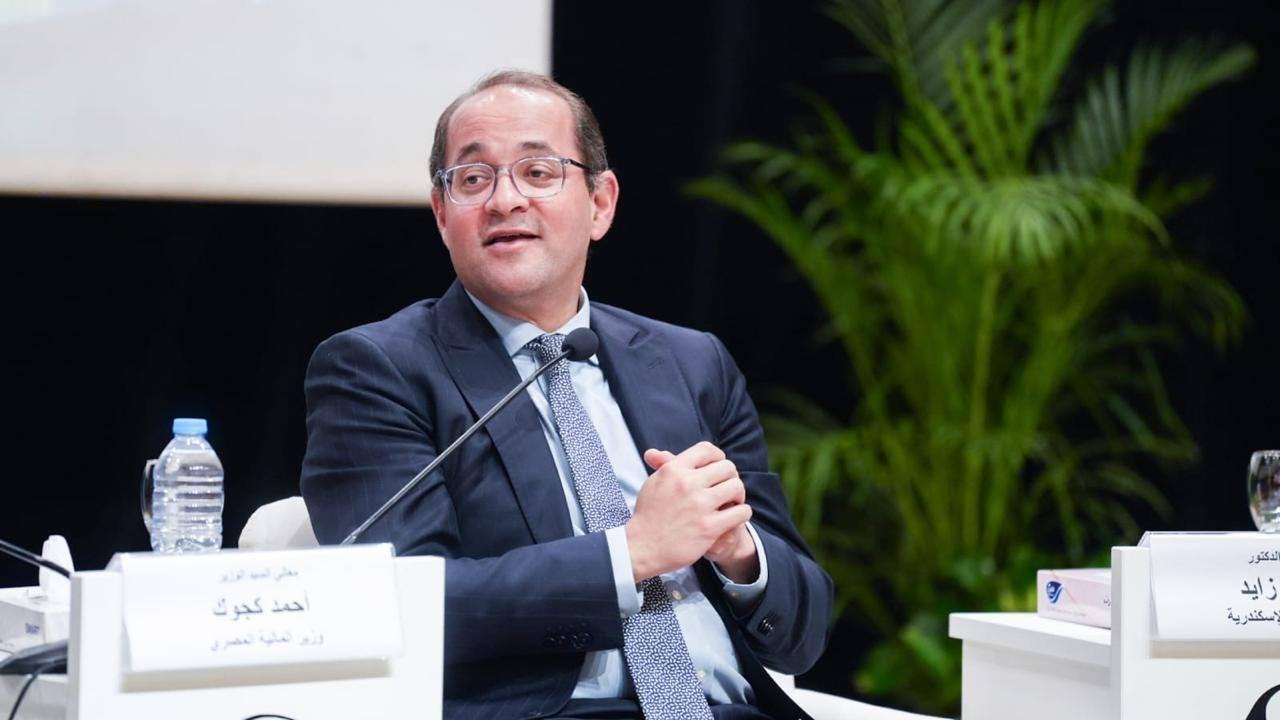
Speaking at a panel discussion at the Bibliotheca Alexandrina, Kouchouk revealed that tax revenues rose by 600 billion EGP (35%) over the past fiscal year through improved collection and a wider tax base, rather than new levies.
The Minister highlighted a significant improvement in
Egypt's fiscal health, stating that the budget debt-to-GDP ratio fell from 96%
to 84% over the last two years. During the same period, external budget debt
decreased by approximately $4 billion.
"This means we have repaid more than we have
borrowed," Kouchouk told an audience of experts and academics. He added
that any fiscal space created through real economic growth would be redirected
toward sectors that matter to the people, specifically education and
healthcare.
Kouchouk detailed a second package of tax facilities aimed
at supporting small taxpayers and the healthcare sector:
Healthcare Investment: Value Added Tax (VAT) on medical
devices will be slashed from 14% to 5% to encourage private investment in
health.
Small Businesses: A simplified tax system will target
businesses with an annual turnover under 20 million EGP through "unprecedented
incentives."
Real Estate Digitization: A new mobile application for
property transactions will be launched, while the real estate tax remains fixed
at 2.5% per transaction.
Kouchouk identified exports—both goods and services—as the
primary engine for future growth. He noted that IT service exports have surged
from $500 million to nearly $5 billion recently.
"The local and foreign private sector increased
investments by 73% last fiscal year," Kouchouk said, pledging continued
state support to enhance the competitiveness of Egyptian exports.
Alexandria Governor Lieutenant General Ahmed Khaled Hassan
noted a positive shift in financial policies that balances fiscal discipline
with economic stimulation. He emphasized that these realistic policies are
designed to restore business confidence and bolster national industry.
"The state is moving steadily to complete the economic
reform path," he said. "By launching successive packages of tax and
customs facilitations, we are enhancing the competitiveness of the national
economy and encouraging exports."
Dr. Ahmed Zayed, Director of the Bibliotheca Alexandrina,
echoed these sentiments, praising Finance Minister Ahmed Kouchouk for engaging
in transparent economic dialogue. Zayed highlighted the library's role as an
interactive platform connecting policymakers with the public to foster a more
realistic and balanced investment vision.
"The Egyptian economy has seen significant improvement over the past year," Zayed noted, adding that the tax facilitation initiative has already proven effective in restoring trust in the country’s financial landscape.