
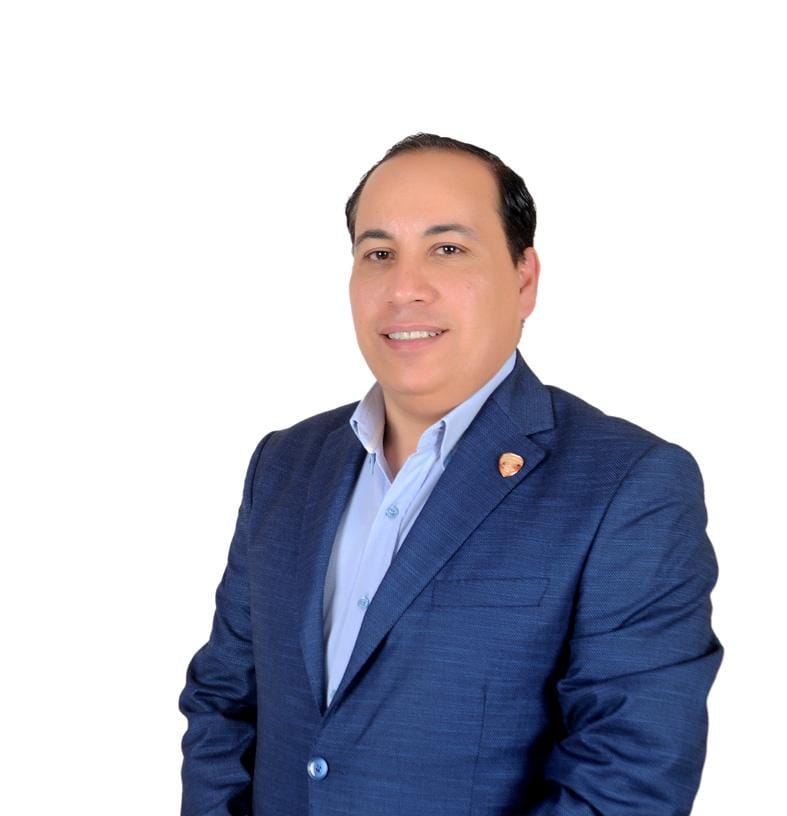
Dr. Saad advised all companies and business outlets to take
several precautionary steps to protect themselves from the risk of fraudulent
invoices and tax evasion.
He also announced that all registered entities that evade
the obligation to issue electronic invoices, as well as those who issue or
purchase fraudulent electronic invoices, will be referred to the Tax Evasion
Control Authority. All taxpayers are now subject to the electronic invoicing
system, with penalties imposed on violators and fines collected resulting from
tax evasion, particularly relating to profiteering and Value Added Tax (VAT)
evasion.
Saad outlined steps to protect against fraudulent invoices
and prevent fines, including referring companies that purchase electronic
invoices to the Tax Evasion Control Authority.
He emphasized verifying that cash purchases necessary for
business operations are within the available treasury account balance at the
time of purchase. Payments should be made by checks signed by the seller,
reconciled with bank statements, and properly documented with supporting proof
of payment.
Dr. Saad advised buyers to verify the payment of deferred
purchases and the applicable tax. He also recommended obtaining the seller
companies’ information from their tax card and commercial registration, and
deducting withholding tax from the seller when applicable.
Finally, he stressed ensuring that invoices are issued in
the name of the selling company and confirming that the seller has a known
address and headquarters.