
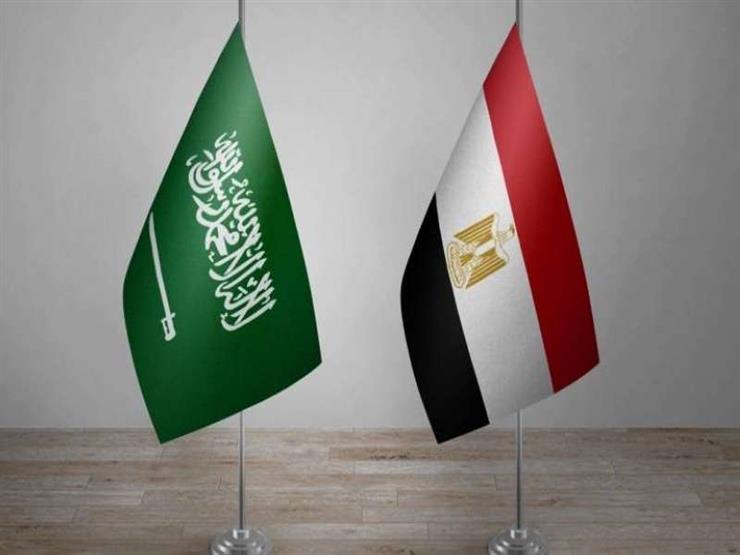
The Egyptian-Saudi electrical interconnection, a strategic step towards a unified Arab grid, achieved a 76.9% implementation rate by May 2025. Contracts for the project, which extends from Egypt's Badr City to Saudi Arabia's Medina (via Tabuk), were signed in October 2021. Its exchange capacity will reach 1,500 megawatts (MW) in the first phase and 3,000 MW in the second.
According to the report, Håkan Emsgård, former Swedish Ambassador to Egypt, emphasized that the electrical interconnection between Egypt and Europe presents the optimal path for advancing the energy sector, bringing significant benefits to both the Egyptian and European economies. This initiative aligns with Egypt's broader strategy to establish itself as a regional energy hub.
The U.S. International Trade Administration further noted that Egypt is actively implementing multiple electrical interconnection projects, including those with Jordan, Sudan, and Libya. Additionally, efforts are underway to finalize interconnection projects with Saudi Arabia, Greece, Cyprus, and a project connecting with Iraq via Jordan.
National projects have significantly boosted Egypt's nominal electricity generating capacity. Figures reveal an 86.6% surge, from 32,000 megawatts (MW) in 2013-2014 to 59,700 MW in 2023-2024. This substantial increase, far exceeding the 41% rise in maximum load (from 26,100 MW in 2013-2014 to 36,800 MW in 2023-2024), has transformed the national grid from a deficit to a reserve. This surplus facilitates electricity export, reinforcing Egypt's position as a regional energy hub.
The Cabinet reviewed key generation projects from various energy sources. These included the Siemens power plants (located in the New Administrative Capital, Beni Suef, and Burullus) with a combined capacity of 14,400 megawatts (MW). Also highlighted were the Benban Solar Park, one of the world's largest solar energy complexes, with a total capacity of 1,465 MW, and the Gabal El Zeit wind farm, which features three stations totaling 580 MW.
The most prominent gains from Arab electrical interconnection include increased network reliability and dependability by reducing the impact of emergency disconnections. It also protects interconnected countries' grids from the risks of total or partial blackouts and achieves economic returns, in addition to facilitating the exchange of technical expertise through actual operation and joint committees for operation and planning.
Egypt is considered the gateway for regional and international electrical interconnection, primarily through its connection with Sudan. This connection, which began operation in 2020 with a capacity of 80 megawatts, is currently undergoing its second phase to reach 300 megawatts.
In the same context, the report mentioned the electrical interconnection line with Libya, currently being studied for a capacity increase to 2000 megawatts. The line with Jordan, which has a current capacity of 550 megawatts, saw an agreement signed in March 2021 to boost its capacity to 2000 megawatts.
Regarding electrical interconnection with European countries, the Egypt-Cyprus-Greece line aims to exchange up to 2000 megawatts. Additionally, the first phase of the interconnection line with Greece will exchange 3000 megawatts, increasing to 6000 megawatts in its second phase.