
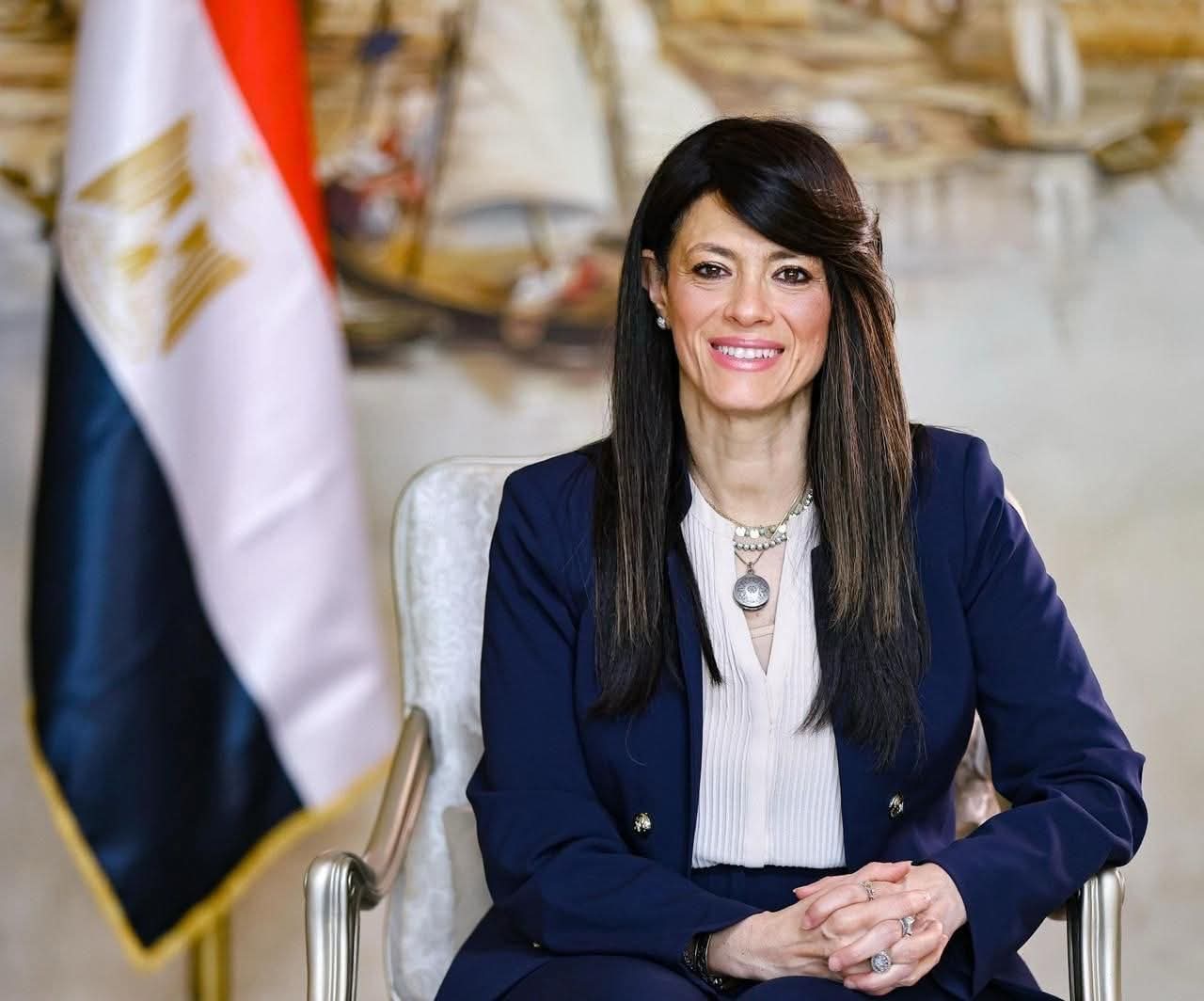
The Minister stressed that the Egyptian state is highly committed to developing the governorates of Upper Egypt. The goal is to achieve genuine development that improves the quality of life and provides decent living opportunities for citizens, in line with directives from President Abdel Fattah al-Sisi.
Government investments for Upper Egypt's regions in the
2025/2026 fiscal year are estimated at 65.7 billion Egyptian pounds ($2.1
billion). The largest share, 31.7 billion pounds, is allocated to the Southern
Upper Egypt region, followed by Northern Upper Egypt with 21.8 billion pounds
and Central Upper Egypt with 12.3 billion pounds.
Upper Egypt's governorates account for 68% of the
allocations for the first phase of the "Decent Life" initiative,
totaling 237 billion pounds. This will benefit 11 million citizens, or 61% of
the total beneficiaries.
The report notes that government investments for the Qena
governorate, which is part of the Southern Upper Egypt region, are 4.8 billion
pounds in the 2025/2026 plan. Qena's share of the "Decent Life"
initiative's first phase is 39.41 billion pounds, ranking third nationally
after Minya and Sohag.
For the Southern Upper Egypt region, Minya Governorate
receives the largest share of government investments at 20.5%. It is followed
by Aswan (12.8%), the Red Sea (11.1%), Assiut (10.8%), and Sohag (10.7%).
The largest share of these investments (29.2%) is directed
to other services, followed by education (16.5%) and health services (15.1%).
The agriculture, irrigation, land reclamation, and water sectors receive 12.2%
and 10.3%, respectively.
Key development projects planned for Southern Upper Egypt in
2025/2026 include:
Agriculture and land reclamation: This involves irrigation
station development, desertification control, protecting the Aswan High Dam,
reducing evaporation from Lake Nasser, canal lining, and expanding agricultural
drainage projects. It also includes modernizing drainage networks, building
dams and lakes for flood protection, and improving agricultural production.
Water and sanitation: Projects include replacing and
upgrading water networks and stations, as well as developing road
infrastructure.
Education and health: Planned projects include new schools, as well as the development and equipping of general, central, and specialized hospitals, new medical centers, and drug warehouses.