
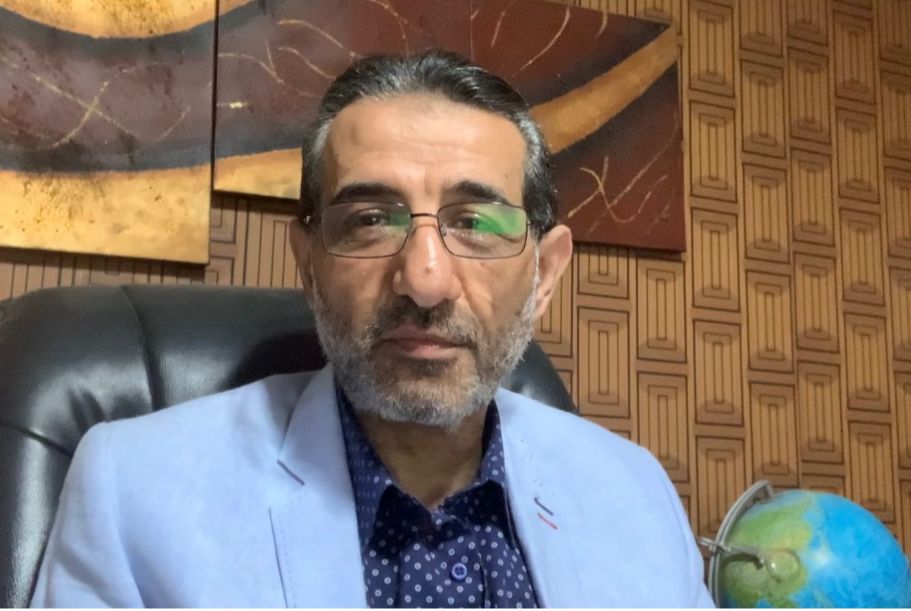
In press statements today, El-Samadouni explained that dry
ports act as inland extensions of seaports, where containers and goods are
transported directly. This helps ease congestion at coastal ports, accelerates
customs procedures, and enhances distribution and transport operations.
He stressed that expanding dry port facilities will address
key challenges facing Egyptian seaports, which suffer from cargo congestion and
fines imposed on importers due to prolonged berth occupancy.
According to press reports, the government, represented by
the Ministry of Transport, has drawn up a comprehensive plan to establish 33
dry ports and logistics zones nationwide.
El-Samadouni called for maximizing the use of dry ports,
highlighting the need for advanced railway infrastructure, particularly given
the large volumes of goods transported by rail.
He noted that while dry ports are mainly limited to customs
clearance and related services, logistics platforms ensure the efficient
movement of goods from their source to their final destination. The ultimate
goal of logistics, he added, is to meet consumer needs efficiently, swiftly,
and cost-effectively.