
From June 28 to July 3, a total of 3,810 food consignments were shipped by 1,265 exporting companies, according to an NFSA media report. These exports included nearly 645 varieties, ranging from vegetables and fruits to black honey and flour.
Beans led vegetable exports, with
10,000 tonnes shipped last week, followed by onions (8,000 tonnes) and potatoes
(6,000 tonnes). Overall, 50 types of vegetables accounted for 37,000 tonnes of
exports.
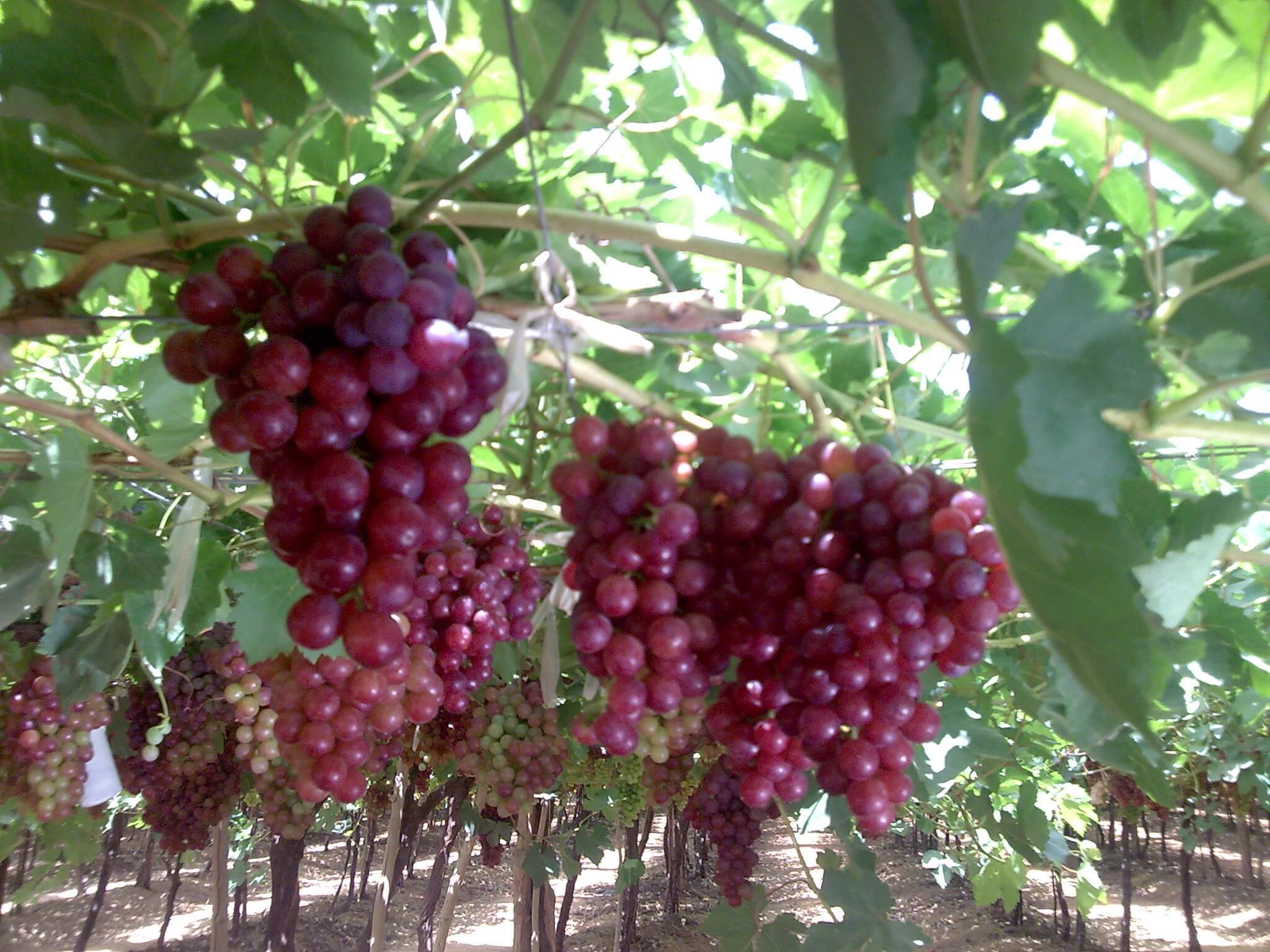
Fresh grapes topped fruit exports
at 13,000 tonnes, with strawberries (11,000 tonnes) and citrus fruits (10,000
tonnes) also featuring prominently. Fruit exports totaled 37,000 tonnes across
28 varieties.
Egyptian food products reached 194
international markets, with Turkey, Saudi Arabia, Indonesia, and the United
States among the top importers.
Safaga Port handled the most
outgoing food consignments last week, with 750 shipments. Alexandria Port
followed with 520, and Damietta Port with 480.
To support food exports, the NFSA
issued 700 health certificates last week, ensuring products meet safety
standards and bolstering international confidence in Egyptian goods.
Conversely, Egypt imported approximately
320,000 tonnes of food across 1,710 consignments from 805 companies. Key
imports included wheat, soybeans, and various oils. Russia was the leading
source country, followed by Ukraine, the United States, and Indonesia, among
193 nations supplying the Egyptian market.
Alexandria Port remained the
primary entry point for incoming food consignments, receiving 610 shipments. Cairo
International Airport handled 310, and Port Said received 241.
The NFSA reported that 820 food
consignments were temporarily released under customs clearance, while 360
benefited from a rapid clearance system. Following decisions from the
Complaints Committee, status reports were issued for 60 consignments.
Additionally, 65 import licenses were issued during the same period.
The NFSA's Commercial Chains
Control Department conducted 29 supervisory missions across several
governorates, including Cairo, Giza, Assiut, Suez, Minya, Qalyubia, Red Sea,
Luxor, Port Said, and Menoufia, to ensure compliance with food safety
regulations.
During the summer, with increased consumption, the NFSA intensified inspections in the North Coast region. Five supervisory missions were carried out at commercial chain branches to guarantee product safety and protect consumers. These campaigns covered restaurants, cafes, supermarkets, and mobile food units, verifying adherence to health standards and proper food handling, with immediate legal action taken for any violations.