
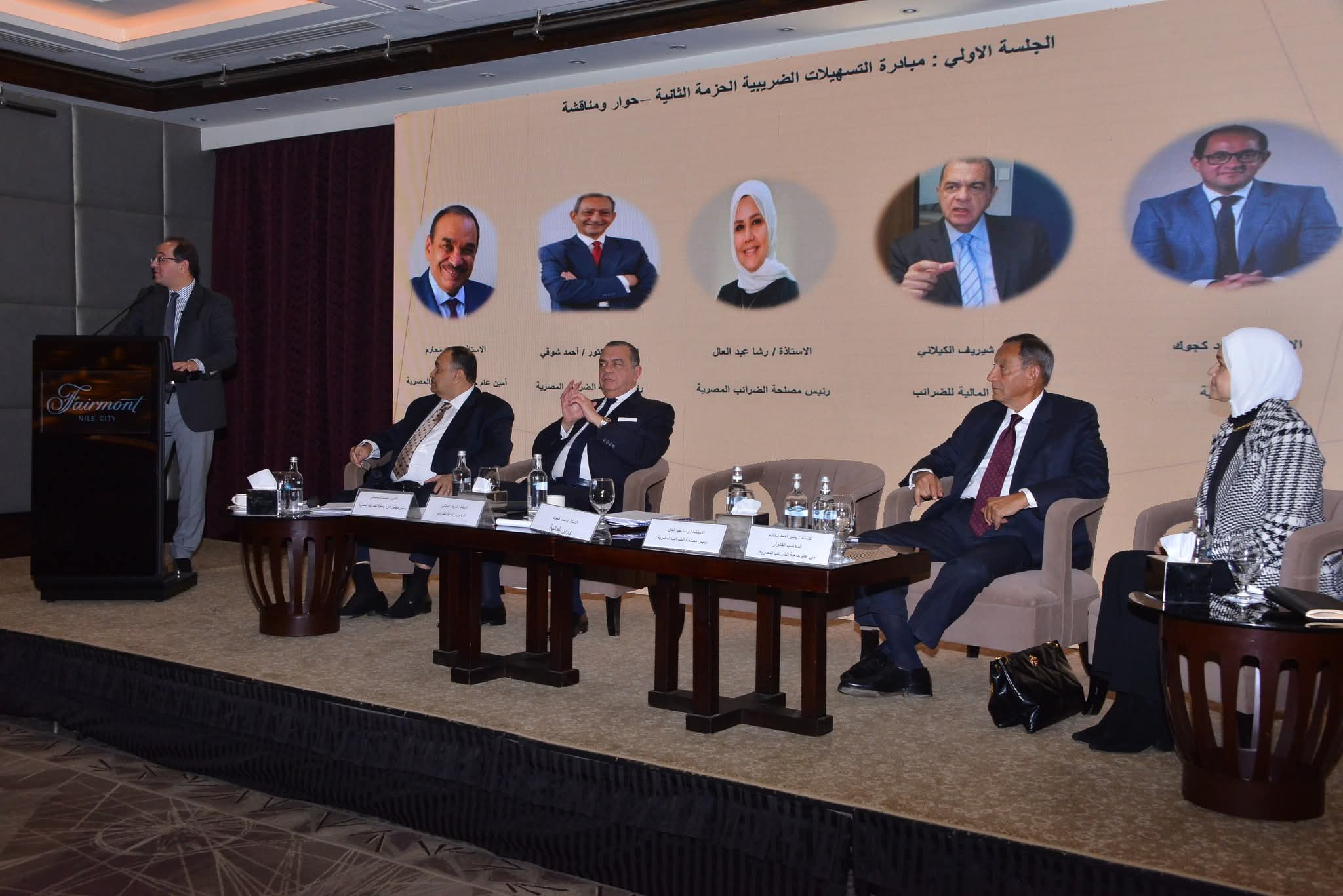
Speaking at a conference organized by the Egyptian Tax Association, Abdel-Aal addressed key concerns from investors and outlined a series of reforms designed to resolve long-standing disputes and simplify tax compliance.
A centerpiece of the second package is a new mechanism for
the liquidation of companies, a process that has historically faced significant
administrative hurdles.
Abdel-Aal revealed that, under the directives of Finance
Minister Ahmed Kouchouk, a high-level committee has been formed to manage this
file centrally. A new monitoring system to expedite liquidations is set to
launch at the beginning of next year.
The Tax Authority is also leaning into digitalization to
enhance transparency and ease of use:
Community Dialogue Platform: A new digital hub managed by a
specialized team will publish all instructions and decisions, while gathering
real-time feedback and proposals from investors.
Real Estate Tax App: A dedicated mobile application will be
launched for real estate transactions, allowing users to report sales and pay
taxes "easily and without any complications."
In a move to bolster Egypt’s position as a regional
logistics hub, Abdel-Aal announced that services performed on goods in transit
will no longer be subject to Value Added Tax (VAT), provided they are
transported under the supervision of the Customs Authority.
Furthermore, the tax suspension period for machinery and
equipment used in industrial activities has been extended to four years,
providing significant relief for manufacturers.
The Tax Chief also noted that individuals involved in real
estate wealth activities can now benefit from the simplified tax regime under
Law No. 6 of 2025.
"The success of the first facilitation package has placed a great responsibility on the Authority to maintain this momentum," Abdel-Aal said, adding that these reforms are stepping stones toward further relief packages in the future.