
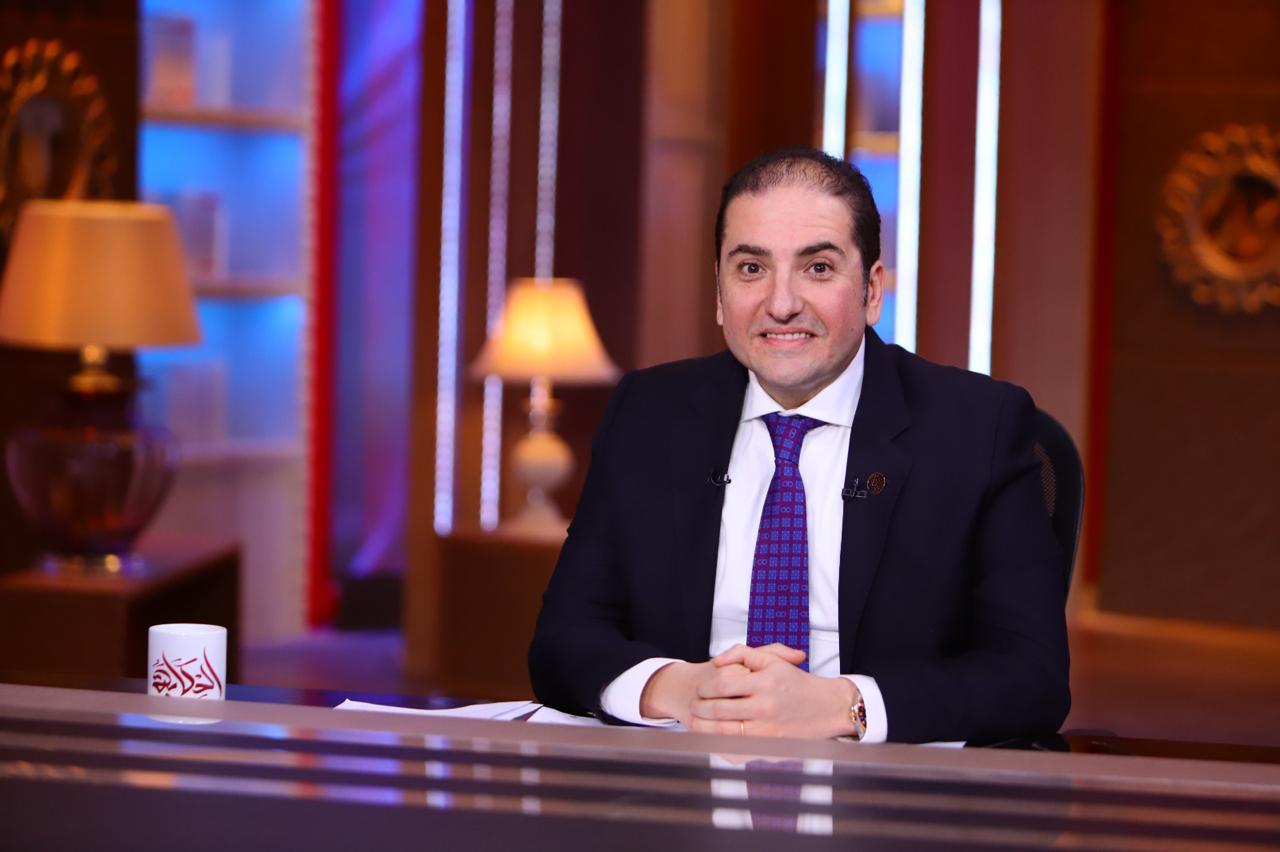
Bishai explained that the decision to cut interest rates is
a positive measure that supports economic activity and eases the burden on
citizens. He noted that this policy shift was driven by the decline in
inflation rates from nearly 40% to around 12% currently, providing broader
scope to stimulate investment and production.
He stressed the importance of coordinated efforts and
strengthening the role of regulatory bodies to decisively combat monopolistic
practices in food commodities and curb the greed of certain traders and
companies that undermine consumer security and market stability.
Bishai also called for increasing labor productivity by
improving work quality, boosting exports, and maximizing foreign currency
earnings, particularly from tourism, outsourcing services, and foreign
investments. He noted that these measures would help support the Egyptian
pound’s exchange rate, reduce import costs, lower unemployment, and raise
citizens’ incomes.
He praised the efforts of the Ministry of Industry, under
the leadership of Kamel Al Wazir, to stimulate investment, especially in high
value-added and technological industries, describing them as engines for
sustainable growth and enhanced economic competitiveness.