
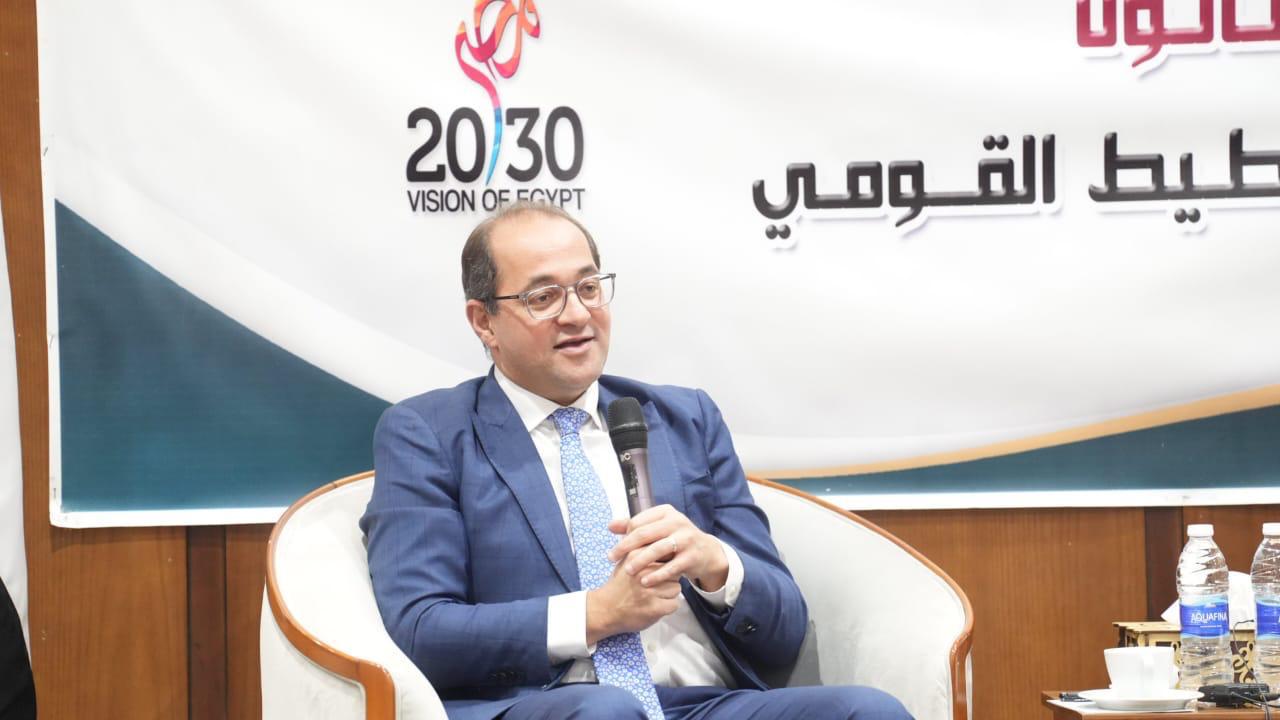
Kouchouk stated that the government’s strategic goal is to increase industrial and service exports to bolster state resources and stimulate growth for the benefit of both citizens and investors.
He announced a significant drop in the country's debt-to-GDP
ratio, falling from 96% to 84% over the past two years, with a target of 80% by
June 2025.
Speaking at the National Planning Institute, Kouchouk
emphasized that debt reduction remains the state's top priority. "We are
paying back more than we borrow," he said, noting that external budget
debt has decreased by $4 billion over the last two years.
The Minister highlighted a surge in private sector activity,
reporting a 73% increase in private investment last year. He credited this
growth to economic reforms that have bolstered the manufacturing, IT, and
tourism sectors.
Kouchouk also detailed the success of recent tax
facilitations designed to encourage voluntary compliance. According to the
minister, taxpayers disclosed an additional 1 trillion Egyptian pounds in
economic activity, resulting in 78 billion pounds in additional tax revenue
without the imposition of new burdens.
Looking ahead, the Minister promised further incentives in
upcoming customs and real estate tax packages. He noted that the savings from
lower debt-servicing costs would be redirected toward health, education, and
social protection programs.
The head of Egypt’s National Planning Institute, Dr. Ashraf El-Araby, expressed optimism over the country's fiscal reforms, noting that recent incentives have been well-received by the business community. He called for accelerating efforts to meet the "Egypt Vision 2030" strategic goals to narrow economic gaps in the coming years.