
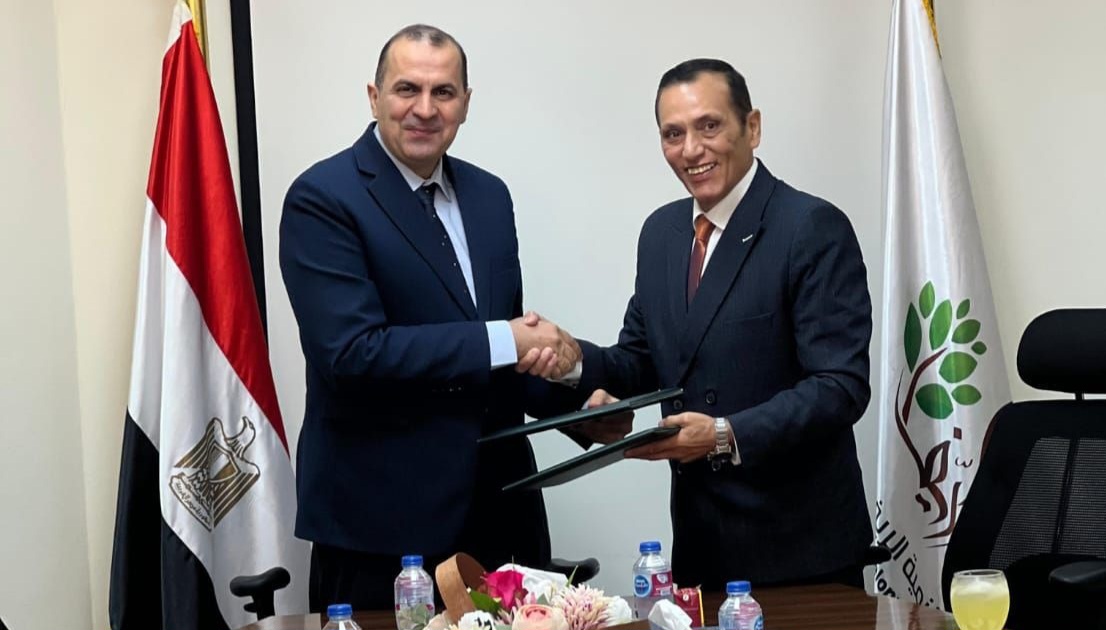
The project, coordinated with the Ministry of Electricity, aims to provide sustainable energy to approximately one million feddans in the West Minya Plain, a key agricultural hub in Upper Egypt.
Chairman Amr Abdel Wahab signed a consultancy and
supervision agreement on Saturday with the Egyptian Power Systems Engineering
company (EPS) to oversee the design and implementation of the grid.
"Providing electricity is not just an infrastructure task;
it is a pivotal element in enabling modern agriculture and supporting
investors," Abdel Wahab said in a statement. He added that the project is
a national partnership aimed at accelerating food security and rural
development.
The power project will be implemented in two phases:
Phase I will provide 100 MVA of capacity, covering the areas
of Southwest Minya, West Minya Extension, and West Manfalut and Qusiya.
Phase II will expand coverage to Bahnasawi, West Minya, and
Northwest Minya.
Total Capacity: Upon completion, the grid will deliver 500
MVA, covering the entire Western Minya Plain.
The initiative is part of a broader infrastructure push
under "Egypt Vision 2030," which includes road paving,
telecommunications networks, and future plans for renewable energy stations in
the region.
Abdel Wahab noted that the project is expected to create
hundreds of jobs for youth in Upper Egypt and incentivize investors to inject
capital into land that is now equipped with essential services.
The 1.5 million-acre project is one of Egypt’s most ambitious land reclamation programs, designed to expand the country's inhabited space beyond the narrow Nile Valley and reduce reliance on food imports.