
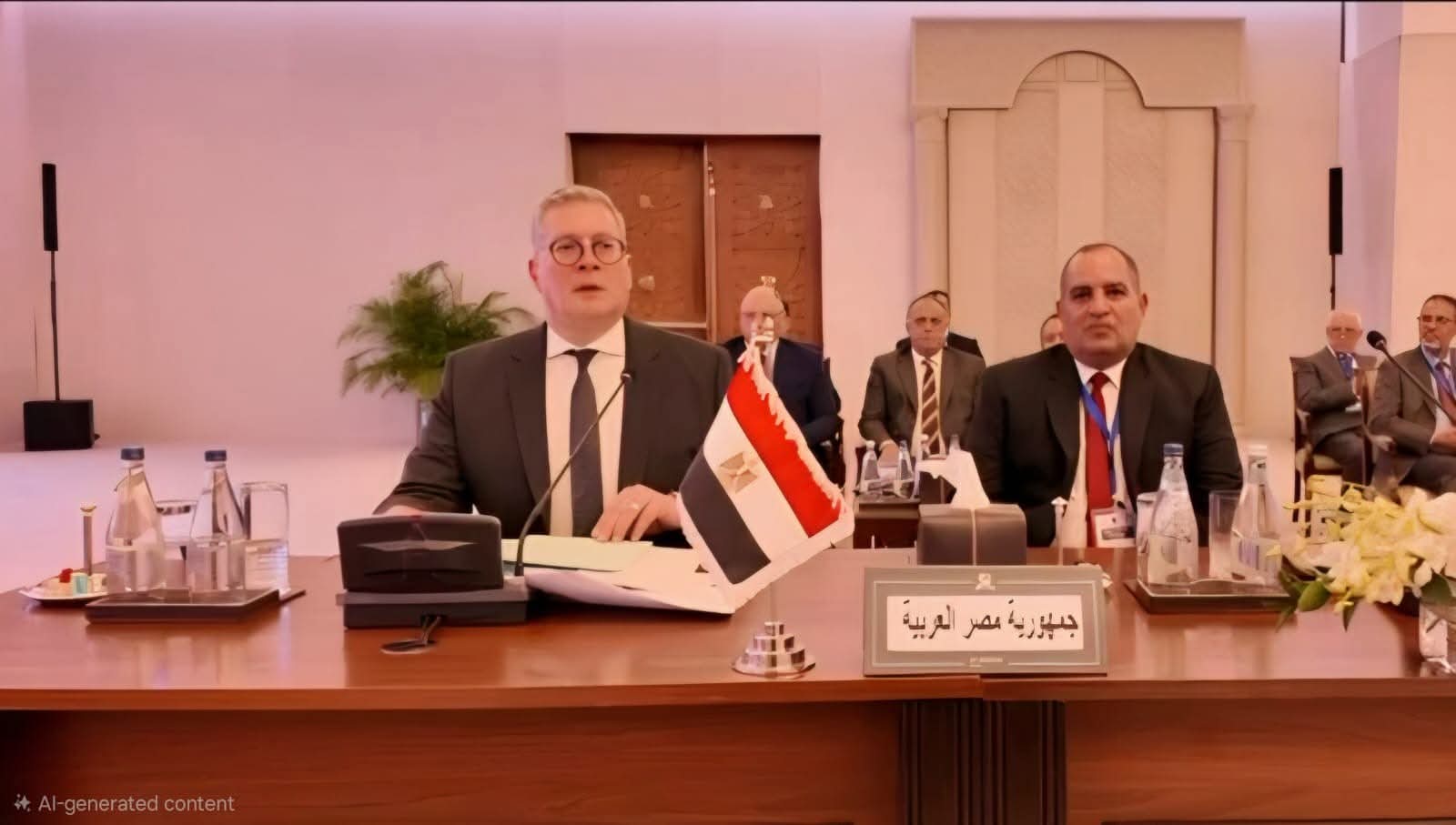
The meeting was chaired by Kuwait's Minister of Oil, Dr. Tariq Suleiman Al-Roumi, and attended by OAPEC Secretary-General Engineer Jamal Issa Al Loughani, along with the ministers of the member states.
In his address, the Minister Badawy presented five key
initiatives aimed at bolstering Arab energy security:
Drafting an Arab Energy Interconnection Map 2030: This map
would identify priority projects for pipelines, receiving terminals, and the
transportation of crude oil and liquefied natural gas (LNG).
Establishing an Arab Mechanism for Emergency Procurement: A
coordinated mechanism for member states to handle emergency purchases of crude
oil and LNG, and to facilitate cargo swaps when needed.
Expanding Cross-Border Storage: To leverage the strategic
depth of Arab nations amid geopolitical instability, supply chain disruptions,
and rising shipping/insurance costs.
Creating a Digital Investment Platform: A platform for
member states to showcase investment opportunities across exploration,
production, refining, petrochemicals, storage, trading, transportation, and new
and renewable energy.
Developing a Unified Arab Programme for Technical Exchange:
A capacity-building programme focused on operations, maintenance, and
environmental governance.
The Minister highlighted Egypt's success in stabilizing its
domestic energy market this year by resuming exploration, drilling, and
development activities. This followed the implementation of incentive measures
to increase investment appeal, which positively impacted foreign capital
inflows, especially Arab investments.
He confirmed an ambitious plan to increase discoveries and
production, including drilling nearly 480 new wells over the next five years.
Badawy stressed that the future of Arab energy can only be
secured through integrated efforts, unified visions, and transforming
challenges into opportunities. He affirmed Egypt's commitment to joint Arab
action, noting the country's strategic depth and its natural resources and
infrastructure, which can be maximized for the benefit of all Arab states.
In a related context, the OAPEC Council of Ministers issued
a final statement praising the ongoing efforts to develop and restructure the
organization. The statement noted the progress in ratifying amendments to the
OAPEC agreement, paving the way for the organization's new identity under the
name: The Arab Energy Organization.
The Council also commended member states' efforts in following up on the activation of the Middle East Green Initiative and adopting the application of the Circular Carbon Economy concept.