
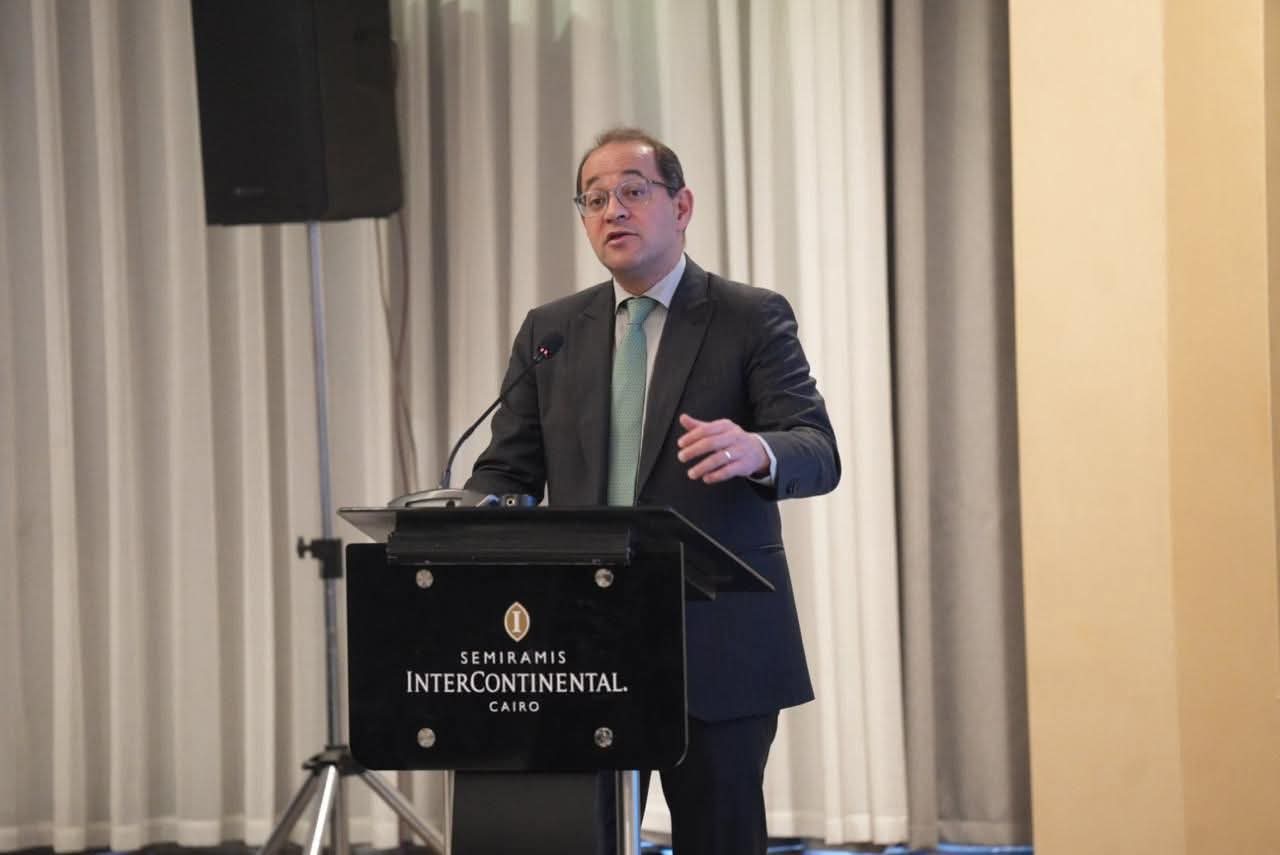
At the regional workshop of the Arab Debt Management Group,
held under his auspices, Kouchouk said that creating fiscal space enables the
country to meet the basic and developmental needs of its people, which requires
reducing the debt service bill.
Empowering the private sector and increasing its
contribution to economic activity ensures sustainable stability and growth
while reducing government borrowing. Innovative financing tools are necessary
to achieve comprehensive and sustainable development goals and improve living
standards. Kouchouk highlighted the importance of using artificial intelligence
to enhance analytical capabilities and support informed decision-making.
Egypt has witnessed positive progress in debt management
through an integrated strategy backed by the political leadership and all state
entities. Any exceptional revenues are directed toward reducing the size and
ratio of government debt to gross domestic product (GDP).
The government aims to expand innovative financing
mechanisms, such as debt-for-investment swaps, to increase spending on human
development and social protection. The debt-to-GDP ratio of government entities
has decreased by more than 11% over the past two years, with a target to fall
below 80% by June 2026.
Economic growth accelerated during the first quarter of the
current fiscal year, exceeding 5.3%. A primary surplus of 3.6% of GDP was
achieved last year, with a target of 4% this year. Growth rates have increased,
the private sector recorded strong growth of 7.3%, and financial, economic, and
tax performance has improved.