
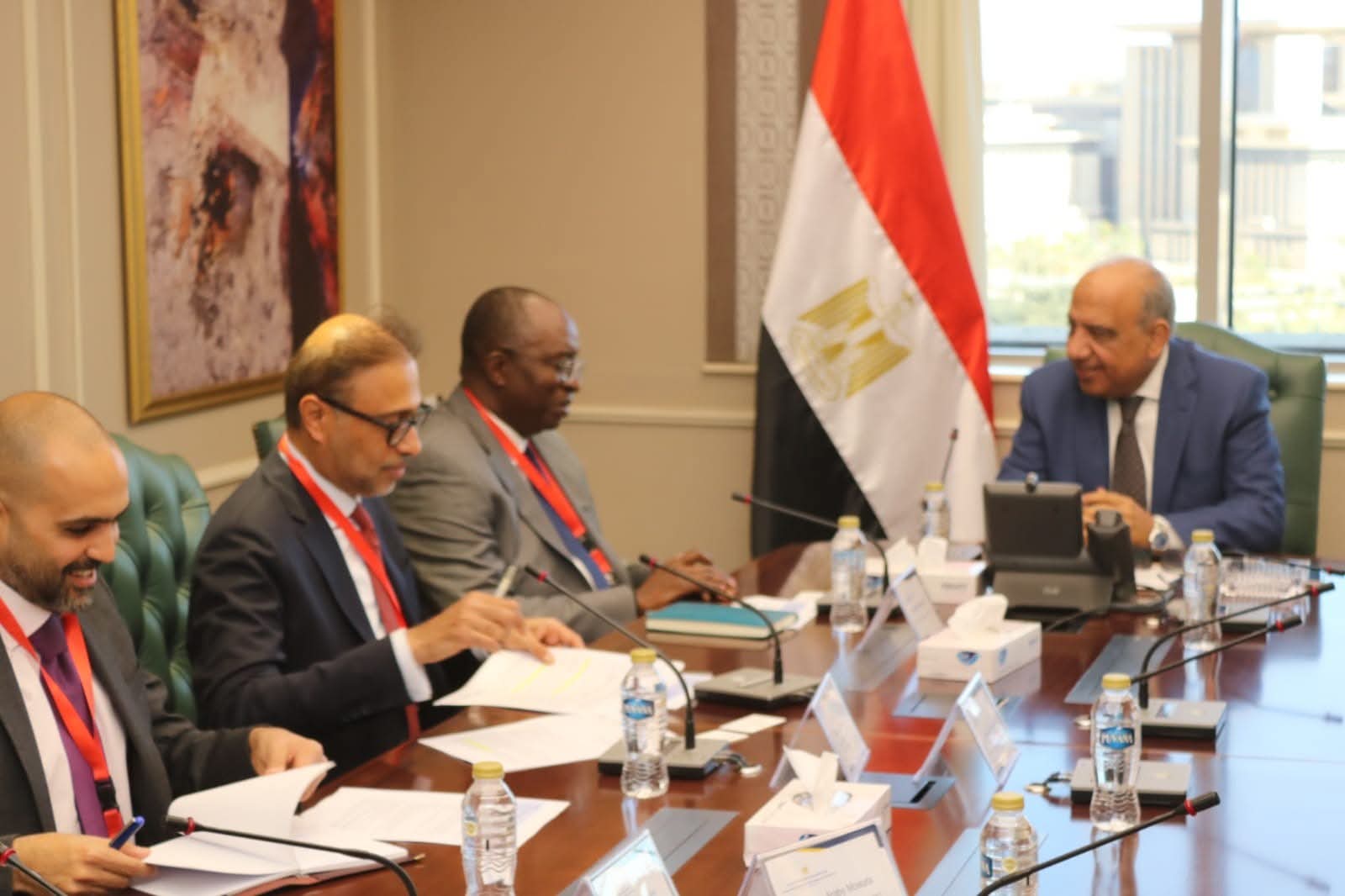
The discussions focused on several areas of joint
cooperation. They covered proposals for upcoming renewable energy projects, the
advisory services required for these projects, work strategies, the energy mix,
and increasing reliance on renewable energy sources. The meeting also addressed
ways to support and encourage private sector participation in electricity
generation and distribution, as well as initiatives aimed at reducing losses
across distribution networks.
Dr. Esmat opened the meeting by welcoming the IFC
delegation. He praised the fruitful partnership between the electricity and
renewable energy sector and the international institution. He highlighted
current areas of cooperation and outlined future avenues for collaboration.
These include securing financing for renewable electricity generation projects
and supporting renewable energy tenders through consultancy services and other
forms of assistance.
He emphasized the importance of expanding private sector
participation in renewable energy initiatives, as well as in the development
and modernization of the unified electricity grid. He also noted the role of
modern technologies in improving energy efficiency, reducing consumption, and
enhancing the grid’s capacity to integrate new renewable capacities.
Esmat reaffirmed the sector’s commitment to implementing a
financial sustainability plan for electricity. He outlined the potential
structure of the plan and referred to similar international models. He also
discussed the program to reduce losses in distribution networks, highlighting
the importance of using global expertise to develop a methodology for
estimating losses and preparing forecasts for expected reduction rates.
He cited the models currently being implemented at the North
Cairo, South Cairo, and Canal electricity distribution companies. He welcomed
further cooperation with the private sector, emphasizing its technical
expertise, modern technologies, and financial capabilities in supporting the
state’s energy vision and ensuring energy security. He stressed the ministry’s
focus on maximizing returns from renewable energy projects and expanding energy
storage systems as part of the broader transition to renewable energy. He
reiterated the national energy strategy, which aims to increase the share of
renewables in the energy mix to more than 42 percent by 2030 and exceed 65
percent by 2040.
Dr. Esmat stated that the electricity sector continues to
take all necessary measures to secure permanent, clean, and low-cost energy
sources. He identified reducing the consumption of traditional fuels and
limiting carbon emissions as key goals. He pointed to ongoing projects that
strengthen the grid through extended transmission lines and expanded
transformer station capacities across various voltage levels.
He also highlighted continued cooperation with the private
sector in all electricity-related areas, particularly in applying modern
technologies to maintain grid stability, ensure continuity of supply, and
improve service quality for consumers. He concluded by emphasizing the
importance of providing electricity as a fundamental pillar of the state’s
comprehensive and sustainable development plan.