
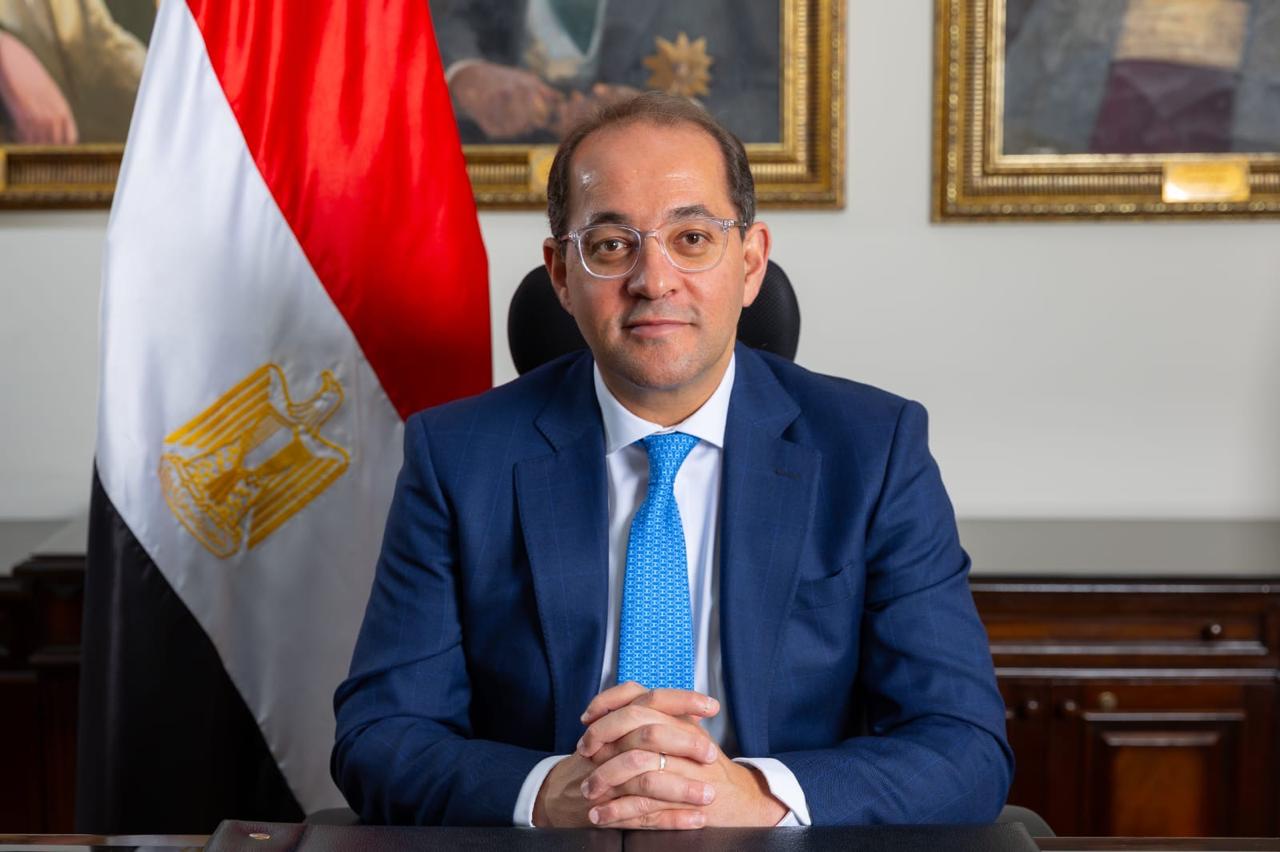
He stated at a meeting of finance ministers during the
climate conference in Brazil that the capacity of multilateral development
banks to attract private investment and provide the necessary support for
climate projects must be fully utilized. He noted the importance of lowering
the cost of green finance for climate resilient infrastructure investments to
close the financing gap.
Kouchouk added that Egypt supports expanding debt for
climate, development, and investment swaps in developing and emerging economies.
He stressed that debt and development challenges must be addressed together. He
also said that an automatic temporary suspension of debt service should be
allowed after major climate shocks.
He noted that Egypt is working to advance solutions that
link climate action with inclusive growth and development while considering the
social dimension. He explained that no single country can shoulder the high
cost of the climate transition alone under rising debt pressures. He added that
Egypt is ready to continue working with international partners, multilateral
development banks, and the private sector to advance the green transition.
The minister explained that Egypt is looking forward to
reforming the global financial architecture and sharing risks among multilateral
development banks. He said Egypt has taken bold steps to integrate climate
priorities into its fiscal and economic policies. The Sustainable Sovereign
Financing Framework has been updated. The first sovereign green bond in the
Middle East and North Africa has been issued. Africa’s first voluntary carbon
market has been launched to support mitigation efforts. The NWFE platform has
also been introduced to align national investment priorities and coordinate
multilateral development bank action.
He stated that Egypt is working to strengthen private sector
partnerships in renewable energy, water desalination, sustainable transport,
and waste management. He added that Egypt is mobilizing private capital and
technology while maintaining financial sustainability. He explained that the
strong expansion in electricity generation from new and renewable energy
reflects the state’s ability to attract private investment to support the
climate agenda and reduce emissions.