
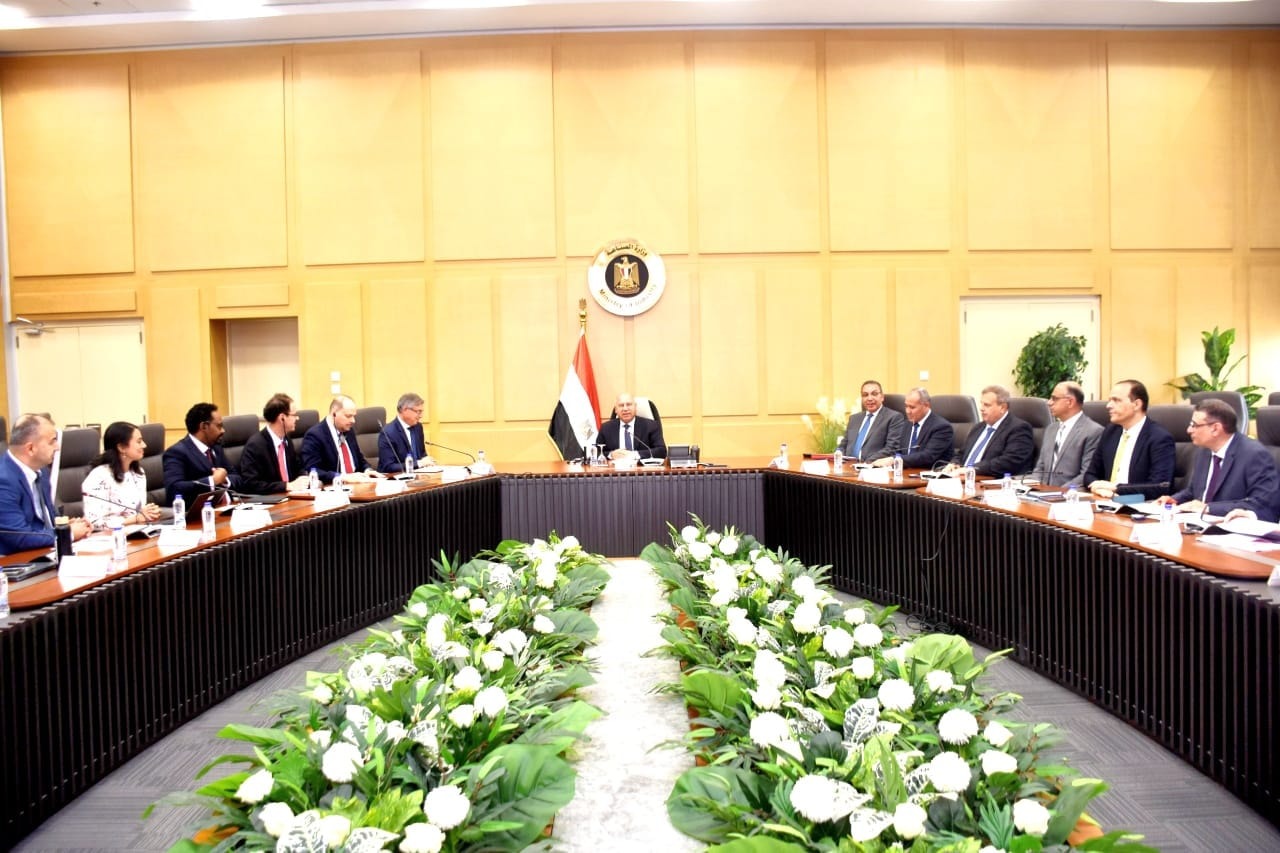
Al-Wazir praised the constructive cooperation between the two sides on several infrastructure and service projects and stressed the continuation of joint efforts on future projects that serve the Egyptian citizen.
Dajani expressed his pleasure in cooperating with the
Egyptian Ministry of Transport, commending the government's significant
attention to transport and infrastructure projects, which he said have had a
major impact on boosting the national economy. The two sides reviewed how
Egypt's infrastructure projects have improved its international rankings,
citing a 100-place jump in the global road quality index in 2024 to 18th place
worldwide, Alexandria Port ranking 90th in the 2025 Lloyd's List One Hundred
Container Ports, and East Port Said Port earning third place globally and first
regionally in the World Bank's 2024 Container Port Performance Index (CPPI).
Discussions also covered the latest updates on joint
projects, including the Cairo-Alexandria Trade Logistics Development Project.
Dajani highlighted the Egyptian experience in the Cairo-Alexandria logistics
corridor and supporting projects like the 6th of October Dry Port as a constant
example of best international practice, which the World Bank regularly
showcases as a major success story in Africa and the Middle East. He also
affirmed the Bank's support for developing a regional training system for the
transport and industry sectors, as well as assisting in establishing an International
Transport University and providing specialized curricula.
Minister Al-Wazir emphasized the Ministry of Transport's
strong focus on qualifying and training human capital, selecting new
generations according to the highest standards. He stressed the importance of
the Transport University, the Higher Institute of Transport Technology, and the
Werdan Institute to meet the needs of the Arab market for transport
specialists, particularly given the large infrastructure and railway projects
Egypt has implemented.
Finally, the meeting addressed cooperation in the field of electric buses, which aligns with the Ministry of Industry's comprehensive plan to localize various industries, including electric bus manufacturing. Future cooperation on localizing the manufacturing of railway rolling stock and metro units was also discussed, with both the Transport and Industry Ministries prioritizing partnership with the private sector.