
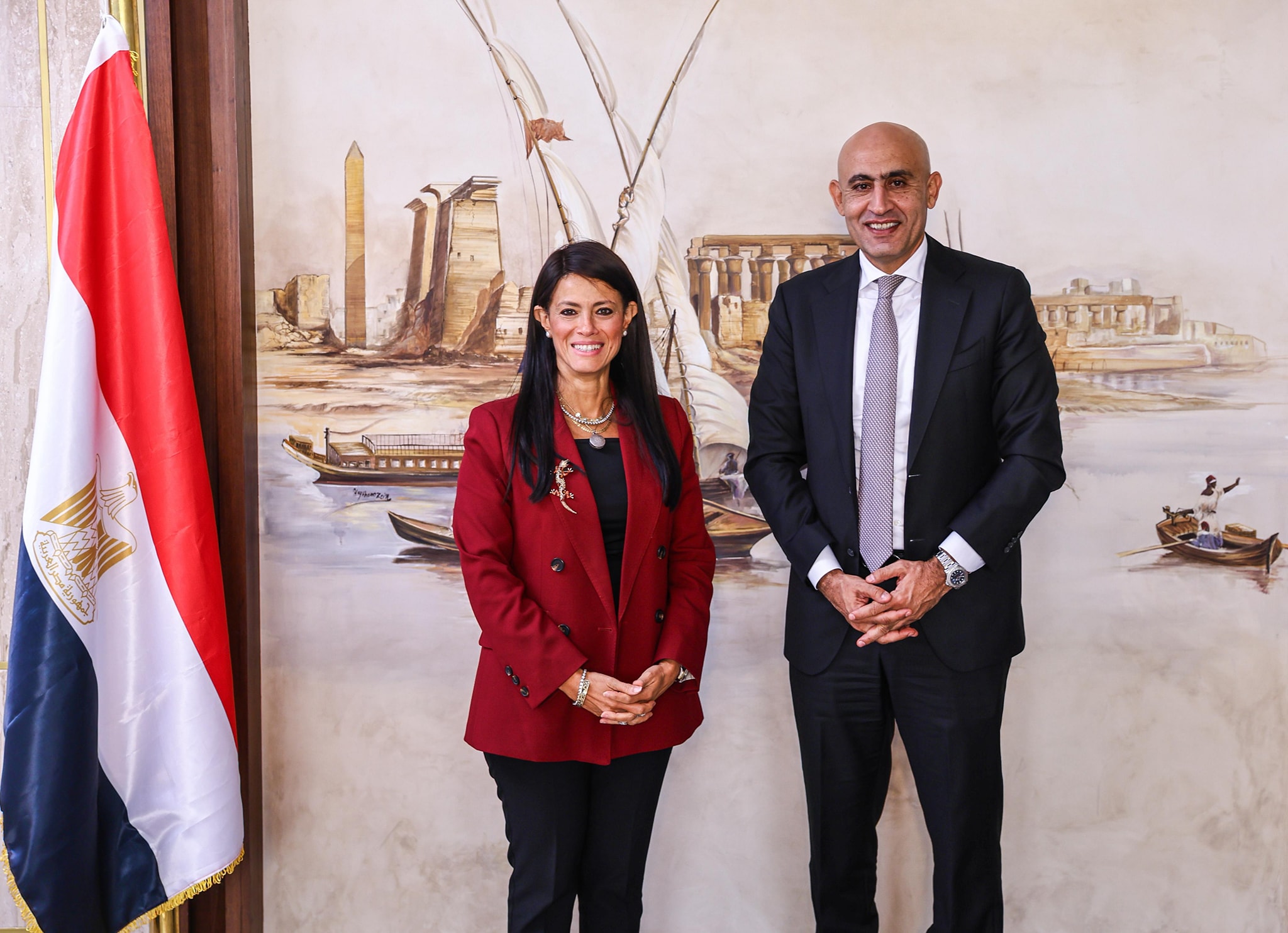
Dr. Al-Mashat explained that education is a fundamental
pillar for human resource development. It enhances cognitive awareness to keep
pace with modern developments and supports the transition to a knowledge-based
economy. Education also helps citizens engage positively with industrial and
technological revolutions, maximize their benefits, and strengthen
international competitiveness across various sectors.
She emphasized that the state prioritizes the development of
the education system. Resources are allocated to plan and implement programs
and projects aimed at improving the quality of educational services. Modern
educational technologies are being applied to raise the efficiency and
effectiveness of educational outcomes. The plan also aims to prepare a new
generation with better education.
Dr. Al-Mashat added that the 2025/2026 economic and social
development plan seeks to ensure the right to education for all citizens. This
includes increasing enrollment rates, reducing dropouts, narrowing the
educational gap between urban and rural children, expanding school construction
across all levels, and developing technological infrastructure. The plan also
advances the scientific research system through updated legislation and
regulations, and by developing human resources in scientific research.
The ministers discussed the Ministry of Education and
Technical Education’s investment plan for 2025/26. Total investments allocated
by the Ministry of Planning, Economic Development, and International
Cooperation for the government apparatus within the Ministry amounted to
approximately EGP 30.5 billion.
Dr. Al-Mashat addressed the “National Narrative for Economic
Development.” This includes a chapter on enhancing labor market efficiency and
flexibility. She highlighted state efforts to expand technical and applied
technology schools through partnerships with the private sector. The goal is to
create qualified cadres and competencies to meet labor market needs.
She also noted that preparation of the medium-term economic
and social development plan has begun, starting with the fiscal year 2026/2027.
The National Monitoring and Evaluation System (Adaa) tracks and evaluates the
performance of all units. This ensures the implementation of development plans
through quantitative performance indicators and guarantees the achievement of
targets.
Abdel Latif emphasized that education is a top
priority for the state. This is reflected in ongoing steps to develop the
educational process, upgrade infrastructure, and expand the number of schools
nationwide.
He added that the ministry aims to continue guiding
investments in the education sector. The goal is to improve the quality of
education and provide a distinguished system that keeps pace with global
developments.
The ministers also highlighted presidential directives to
advance education in all aspects. These include the establishment of applied
technology schools, which serve as an effective model for developing technical
education in Egypt. They also noted the continued creation of Japanese schools
and schools for excellence in science and technology. Emphasis is placed on
subjects related to mathematics, physics, and engineering, as well as modern
technologies such as programming and artificial intelligence.