
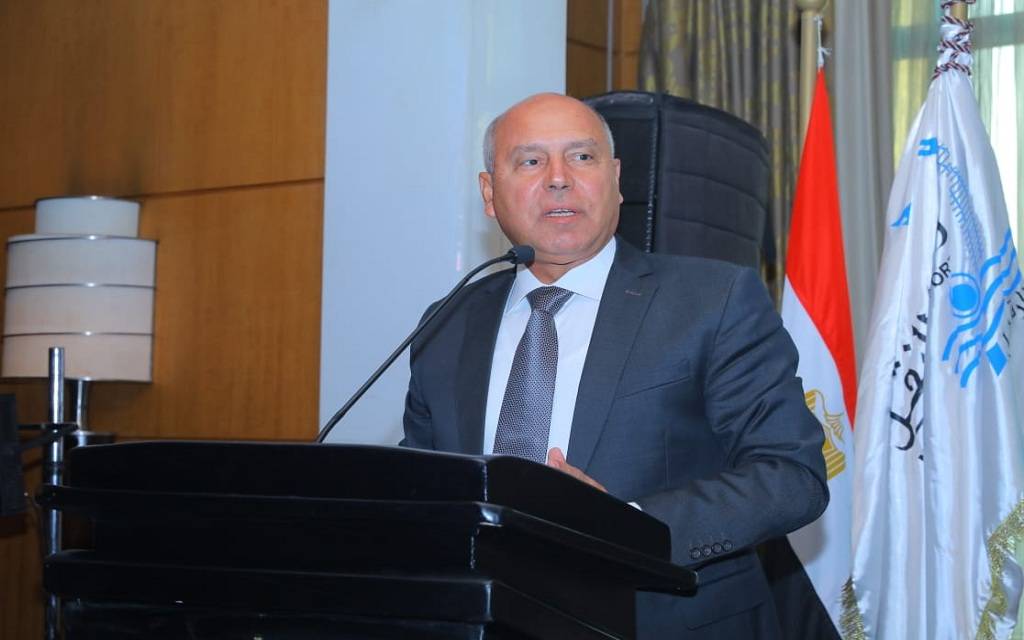
The move, directed by the political leadership to support strategic industries and deepen local manufacturing, was coordinated with the Ministerial Group for Industrial Development.
The initiative aims to enhance the industrial investment
environment, increase the competitiveness of Egyptian products, and expand the
industrial production base. This effort is expected to help the country reduce
its import bill and boost industrial exports.
The new incentives include:
Competitive pricing for industrial land and priority in
allocation for new projects,
Flexible payment terms tied to project implementation
timelines,
Low-interest loans to finance working capital and production
lines,
Operating licenses issued within 24 hours after meeting
requirements through the General Authority for Industrial Development,
Immediate provision of essential utilities including
electricity, water, gas, roads, and telecommunications, and,
Priority for locally produced steel in supplying materials
for national projects.
Al-Wazir noted that steel sheets are used in a wide range of
strategic sectors, including household appliances (refrigerators, washing
machines), vehicles (car bodies, buses, trucks), metal furniture, medical
equipment, and agricultural machinery. They are also used for metal packaging
and in construction.
He emphasized that the incentives are part of the state's
vision to build a strong industrial base capable of regional and international
competition. He added that the measures reflect the government's commitment to
creating an attractive investment environment characterized by speed,
transparency, and direct support for investors, which will boost exports and
create new jobs.
The ministry affirmed its commitment to continue launching initiatives that support sustainable industrial development and advance Egypt's goal of becoming a regional industrial hub, reinforcing the slogan: "Made in Egypt... for Quality and Leadership."