
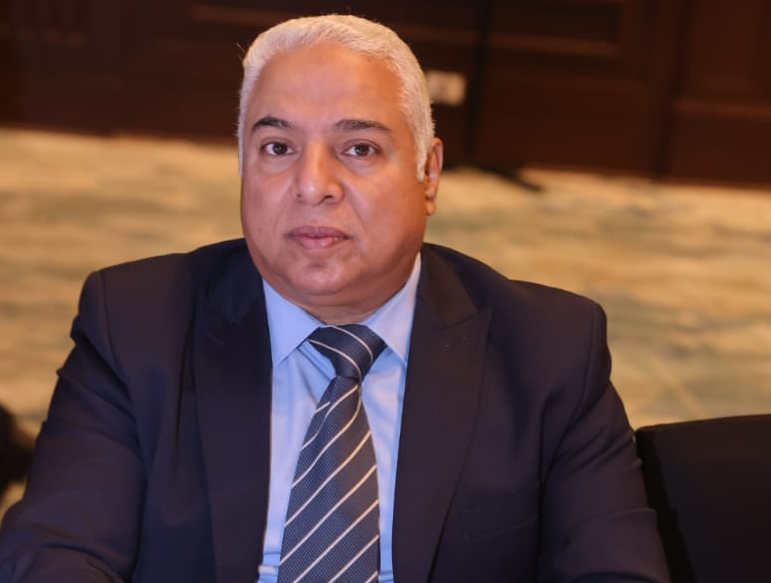
In press statements, Nasr El-Din explained that rising production and energy costs are undermining the competitiveness of Egyptian furniture. The sector also faces shortages of imported raw materials and spare parts, stemming from global supply chain disruptions and reduced import capabilities due to foreign currency restrictions.
While Egypt's strategic location offers a competitive
advantage for global market access and relatively low-cost skilled labor, the
sector is also grappling with the exploitation of workers by furniture brokers,
particularly as more artisans face unemployment and declining incomes.
Nasr El-Din stressed that the crisis in importing wood and
raw materials is a major impediment to the sector's growth, driving up final
product costs and weakening its competitive edge in international markets.
He acknowledged the Egyptian government's significant
efforts to bolster national industries as a driver of economic growth. The
future strategy, he noted, focuses on fostering technology and innovation,
expanding export industries, supporting small and medium-sized enterprises
(SMEs), and localizing heavy and advanced industries to reduce import
expenditures.
Nasr El-Din also revealed that Egypt's furniture exports were nearing $200 million in the first half of 2025. This follows $331 million in 2024, up from $290 million in 2023. The industry aims to reach $350 million by the end of this year.