
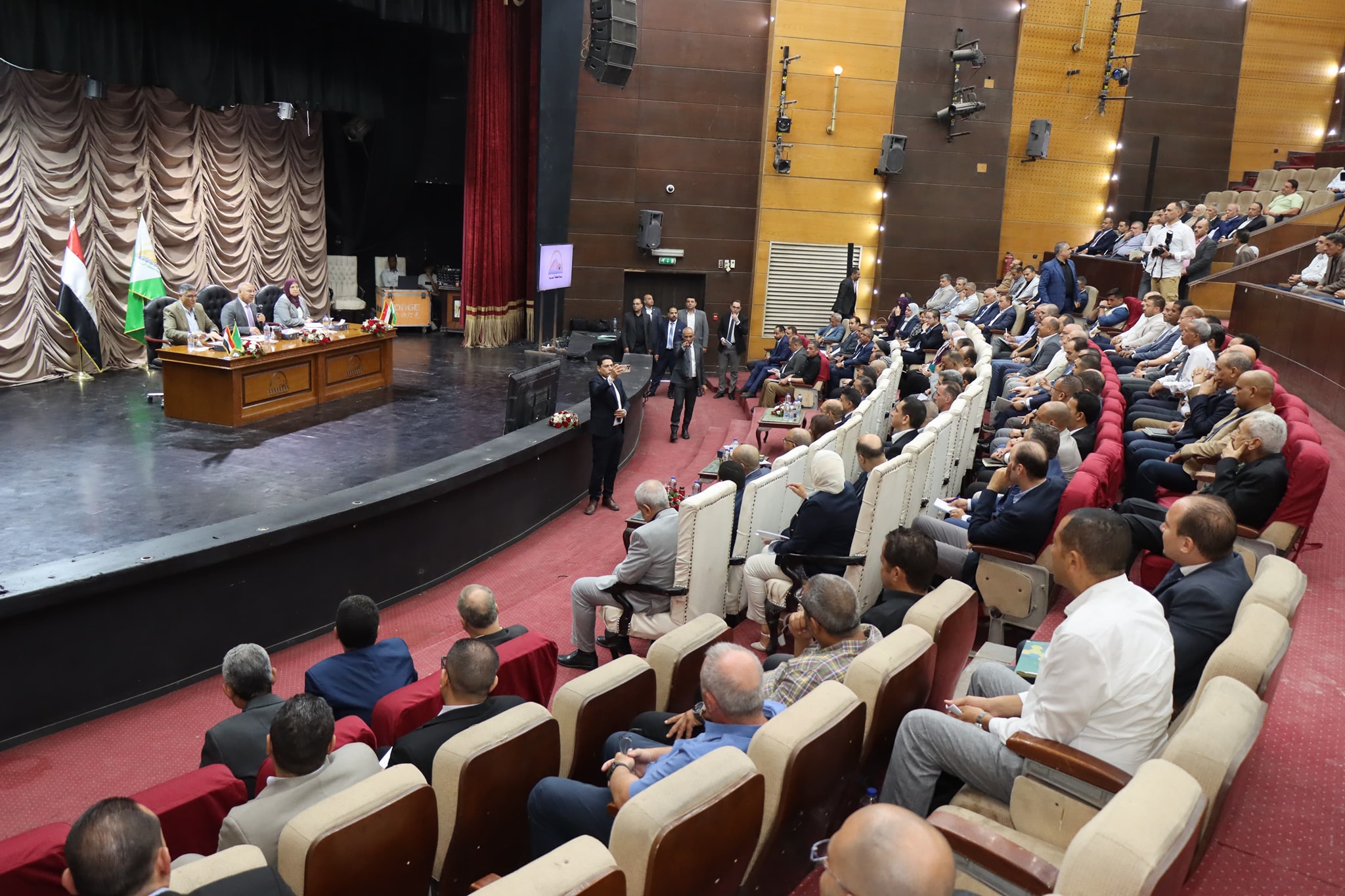
The discussions, a direct response to investor complaints, focused on improving the infrastructure and services within the 2,291-acre zone, which houses 372 industrial plots. The current status of the zone's utilities—water, drainage network, sewage pumping stations, sewage treatment plant, electricity, roads, gas, and telecommunications—was presented. The zone's diverse activities include engineering, chemical, paper, food, metal, building materials, and furniture industries.
Minister Al-Wazir emphasized the urgent need for a new
investors' association for the Abu Rawash Industrial Zone. This association
will be responsible for managing the zone and maintaining its internal
facilities in coordination with relevant authorities. This move aims to enhance
efficiency, ensure facility sustainability, and streamline investor operations,
bringing the zone in line with other industrially developed areas. The proposed
expansion of the zone was also highlighted as a fresh start, contingent on the
completion of current facilities.
Regarding utilities, the Minister mandated that each factory install an industrial wastewater treatment plant before discharging into the sewage network. He also stressed the importance of a dedicated sewage line to the nearest public drain and an electricity company study to increase the zone's allocated capacities, accounting for future expansions.

Following the initial discussions, Al Wazir and Governor El
Naggar held a separate meeting with a group of investors to delve into specific
challenges. The Minister reiterated the government's policy of only issuing new
industrial licenses for facilities located in fully equipped industrial zones,
aiming to curb unplanned industrial development. He stated that all issues in
Abu Rawash have been identified, and clear mechanisms for radical solutions are
in place, emphasizing that success hinges on cooperation between the
Governorate, the Industrial Development Authority, and investors.
A specific timeline for fully equipping the area with
utilities, security, and maintenance has been prepared and circulated to
executive bodies, in preparation for official handover to the Investors'
Association.
Engineer Khaled El Sayed Abu El Makarem, owner of Makarem
Tex factory, presented key investor demands, including solving the water
problem and providing suitable transport lines for workers. He also underscored
the need for basic infrastructure development and compliance with the
Minister's directive to activate the Investors' Association, noting that a
financial fund, supported by investors, would be launched for maintenance and
insurance of vital facilities.
In response, the Minister directed the Land Transport
Authority to establish regular transport lines to facilitate worker movement,
providing safe, fast, clean, and sustainable transport services.
Mohamed Ahmed Mehanna of Stack Paints and Inks factory
requested efficient land internet service for enhanced connectivity and
operational efficiency. The Minister directed immediate coordination with the
Ministry of Communications and Information Technology, highlighting advanced
digital infrastructure as crucial for attracting investment.
Hatem Hussein Ragai, representing TM Ready-made Garments,
sought to expand his production activities. El Wazir offered temporary
alternative locations in equipped industrial zones like Tenth of Ramadan and
October until infrastructure works in Abu Rawash are completed. He assured that
comprehensive infrastructure work would begin in early July, allowing for
expansions shortly thereafter.
A representative from Oscar Metal Forming Company requested natural
gas connections for factories lacking the service. Al-Wazir directed the
Ministry of Industry to submit an urgent memorandum to the Ministry of
Petroleum and Mineral Resources to accelerate gas supply delivery.
The meeting concluded with the Minister and Governor visiting several factories in the Abu Rawash Industrial Zone, including Makarem Tex, TM Ready-made Garments, Professional Technology, and Pasha Tex. The tour allowed the Minister to observe utility problems firsthand and understand the challenges faced by factory operations. He pledged immediate solutions in coordination with all relevant authorities and urged factory owners to cooperate with the government for sustainable industrial development.