
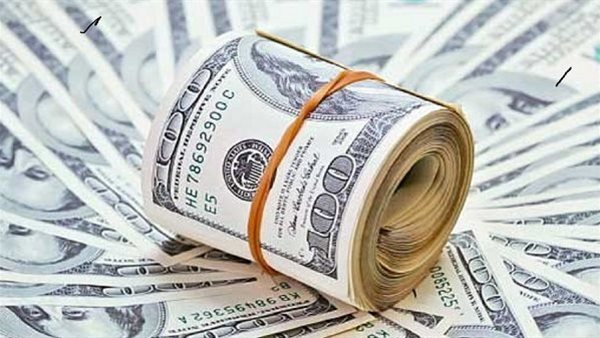
This rise coincided with movements in the local market and increasing demand for the US currency, driven by the decision of the US Federal Reserve (the Federal Bank) to keep interest rates, which boosted the dollar's strength as a safe-haven amid escalating geopolitical tensions.
Dollar prices in Egyptian banks:
National Bank of Egypt:
Buying EGP 50.50 Selling EGP 50.60
Banque Misr:
Buying EGP 50.50 Selling EGP 50.60
Banque du Caire:
Buying EGP 50.55 Selling EGP 50.65
Commercial International Bank (CIB):
Buying EGP 50.55 Selling EGP 50.65
Bank of Alexandria:
Buying EGP 50.56 Selling EGP 50.66
Central Bank of Egypt: Exchange rate movements are limited and carefully managed
In a statement issued this morning, the Central Bank of Egypt affirmed
that the recent exchange rate movements come within the framework of
"supply and demand mechanisms within the foreign exchange market",
stressing that the banking system has sufficient flexibility to deal with
foreign currency flows, whether in entry or exit situations.
The statement pointed out that "the US federal confirmation of the interest rate has strengthened the global attractiveness of the dollar, causing pressure on the currencies of some emerging markets," noting that the central bank "monitors external and local developments continuously and interferes when necessary to ensure the stability of the markets and protect the purchasing power of citizens."
Impact of the US federal decision
The Federal decision is to keep the interest unchanged as a cautious message to the markets, as the American Bank seeks to balance the anti -inflation policies without harming the growth of the global economy. This decision prompted investors to boost their dollar holdings, which was reflected in the increase in its value in international markets, and then its impact on the Egyptian market.
Market outlook:
A number of financial experts suggested that the Egyptian market will witness a relative stability in the exchange rate during the coming period, especially in light of the expectations of low import rates, and the improvement of the state's revenues from the hard currency, especially from tourism and the Suez Canal.