
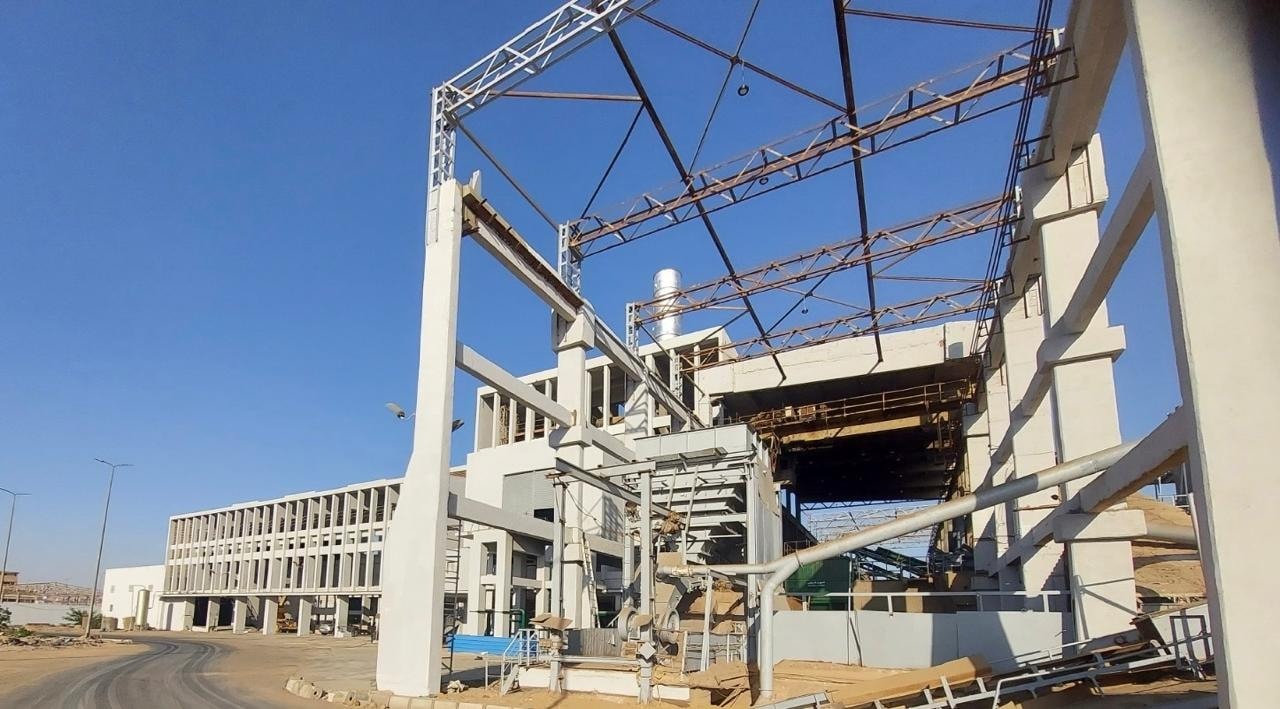
Engineer Mohamed Shimi, Minister of Public Business Sector, confirmed that the restart of the ferrosilicon plant comes in light of the Ministry of Public Business Sector's strategy to improve the performance of its subsidiaries, increase production and operation rates, achieve the highest possible return on assets, and utilize available capabilities. It represents a successful model of integration, as the plant was rehabilitated in cooperation with one of the ministry's subsidiaries, the Egyptian Ferroalloys Company, affiliated with the Holding Company for Metallurgical Industries, at a total cost of approximately EGP 53 million.
Shimi added that the project represents an important step in
developing the mining and manufacturing industries, as it contributes to adding
value to local raw materials and replacing imports of silico manganese alloys
used in the iron and steel industry. He pointed to serious efforts to invest in
underutilized assets and transform them into effective production entities,
technical modernization, improving management efficiency, and expanding
strategic partnerships with the local and foreign private sector. This will
contribute to advancing national industry, enhancing economic returns,
achieving sustainable industrial development goals, opening new export markets,
and replacing imports.
It is worth noting that KIMA had signed an agreement with True East Mining Company (an Egyptian company with Saudi investments) to operate the factory to produce silico manganese alloys, with a targeted production capacity of 18,000 tons per year. This will generate expected returns for KIMA estimated at approximately $1.8 million annually from the operation of the factory and its by-products.