
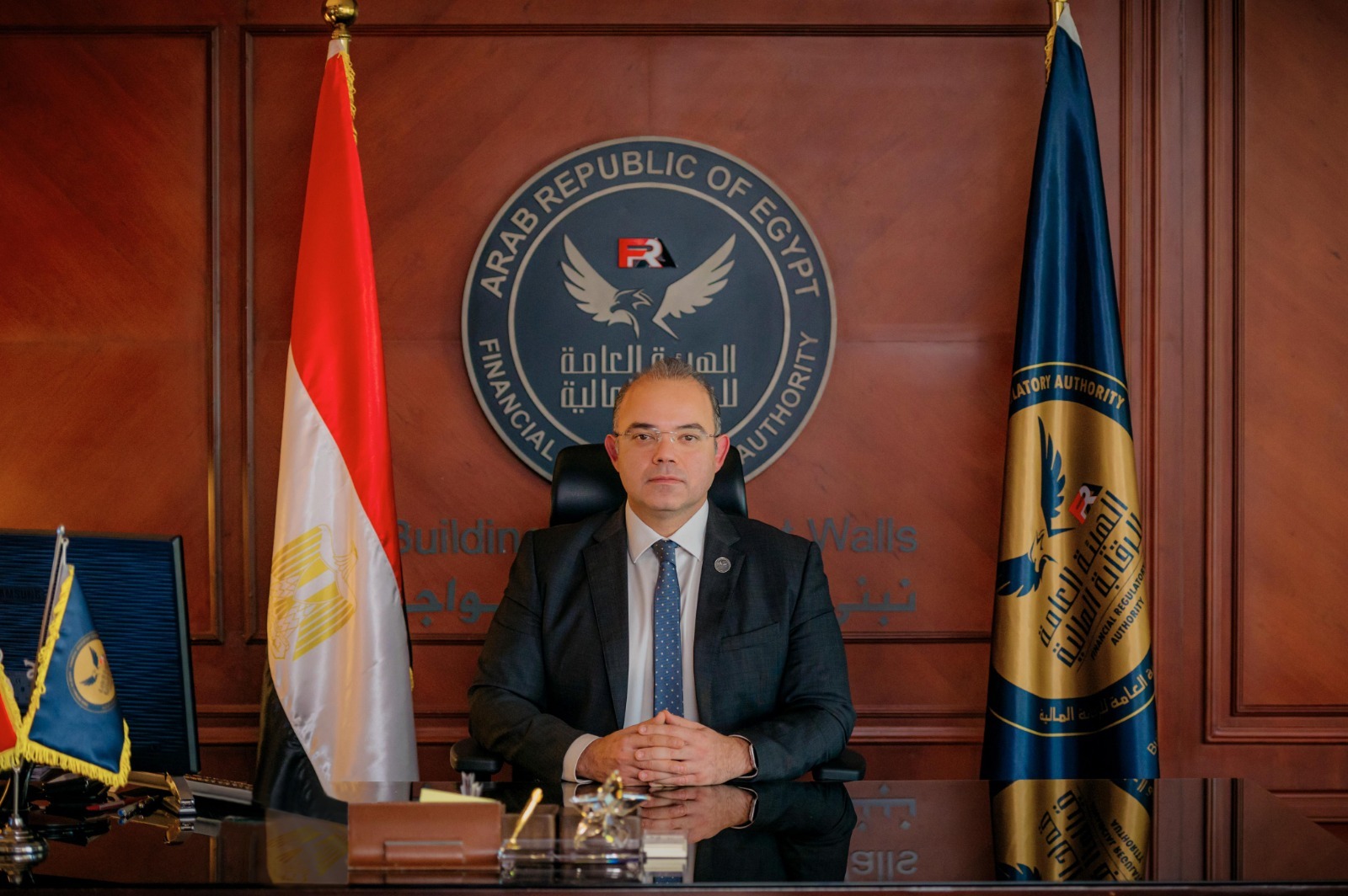
FRA Chairman Dr. Mohamed Farid announced two pivotal decisions aimed at strengthening protection and financial empowerment for micro-project owners, including craftsmen and home-based businesses.
Under Decision No. 1 of 2026, the FRA increased the maximum
financing limit for micro-projects granted by companies and NGOs from 266,000
EGP to 292,000 EGP.
Dr. Farid noted that the sector is playing an increasingly
vital role in the national economy. By the end of 2025, non-banking financing
for small, medium, and micro-enterprises reached 95.7 billion EGP, representing
a 12.1% growth rate, with approximately 3.1 million beneficiaries.
In a parallel move, Decision No. 2 of 2026 raised the
maximum micro-insurance coverage limit to 390,000 EGP, up from the previous
312.500 EGP.
The chairman emphasized that increasing the micro-insurance
coverage limit is designed to provide a more effective insurance umbrella
tailored to the specific risks faced by small-scale entrepreneurs. The move aims
to bolster the stability of micro-businesses, ensuring their ability to survive
and grow despite economic fluctuations.
The FRA’s strategy focuses on enhancing the efficiency of
non-banking financial services by offering affordable solutions for the most
vulnerable economic segments. Key beneficiaries of this expanded coverage
include workshop owners and industrial craftsmen, handicraft producers and
simple tradespeople, and home-based businesses and family-run micro-projects.
Farid emphasized that these measures provide essential protection at a reasonable cost, helping to mitigate the impact of unexpected crises on the income sources and operational continuity of these vital sectors.