
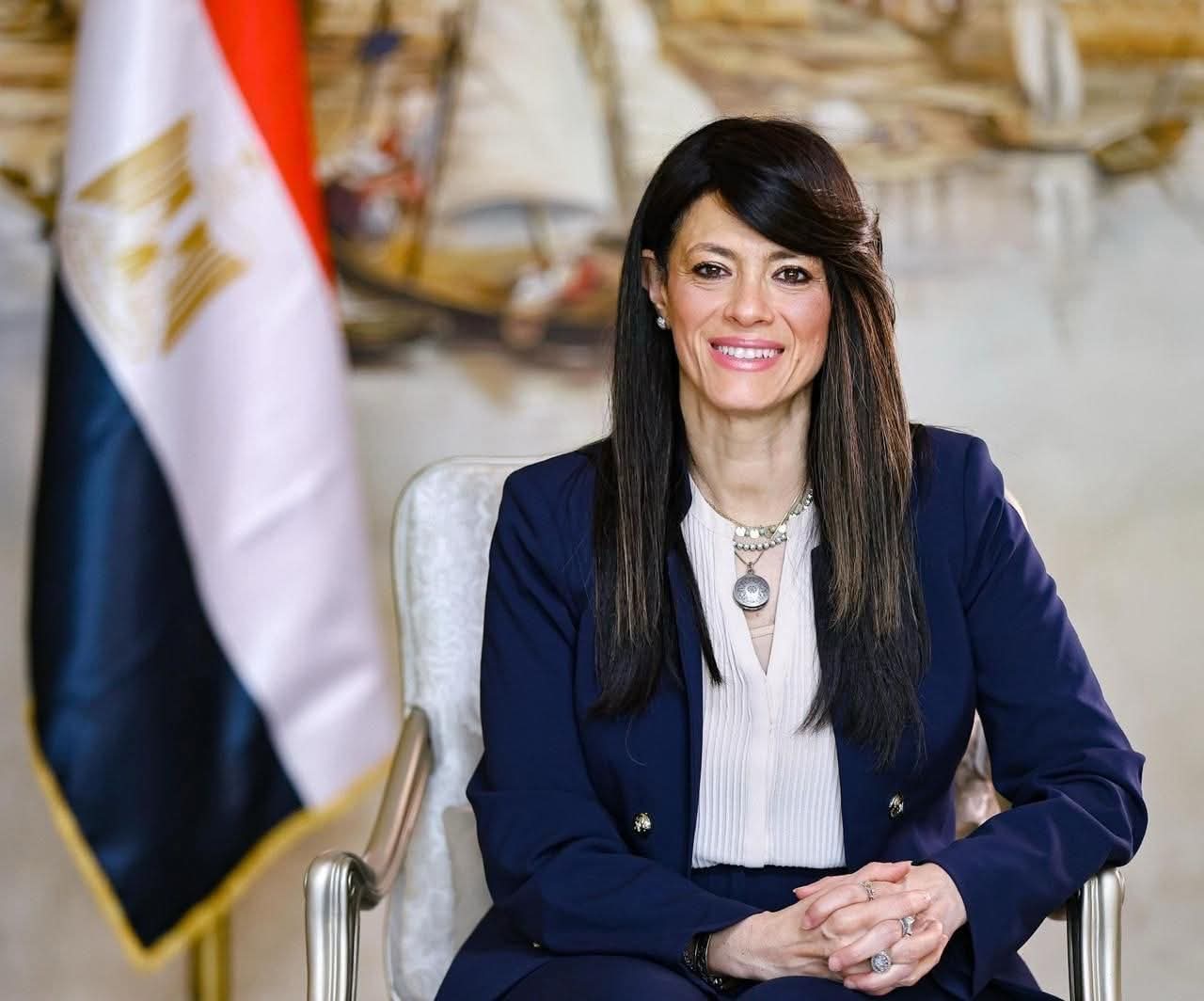
Minister Dr. Rania Al-Mashat stated that the plan aims to significantly increase investments in green projects. The target is to allocate approximately EGP 637 billion to these initiatives, which would represent 55% of all public investments. This investment will be strategically divided: 64% for climate mitigation (reducing emissions) and 36% for climate adaptation (adjusting to the effects of climate change). This reflects the government's commitment to integrating environmental goals into its national policies to tackle climate challenges.
The plan also seeks to improve Egypt's score on the Public
Investment Climate Performance Index, targeting a score of 1.8 by 2025/2026, an
18% increase.
The government has outlined several key priorities:
Emission Reduction: Setting ambitious national goals for
sectors like energy, industry, transport, and agriculture.
Renewable Energy: Expanding the use of solar, wind, and
green hydrogen to lessen dependence on fossil fuels.
Technology & Infrastructure: Localizing eco-friendly
technologies, and building protective infrastructure like coastal defenses for
vulnerable areas.
Green Financing: Promoting innovative financial tools such
as green bonds and sovereign sukuk to fund sustainable projects and encourage
private sector investment.
Major Green Projects: The leading sectors for green
investment are green transport (64%), the Decent Life initiative (13%), and sustainable
urban development (10%).
Egypt's National Climate Change Strategy serves as a roadmap
with the following core objectives:
Achieving low-emission economic growth.
Enhancing the country's adaptability to climate change.
Improving the governance of climate action.
Boosting public awareness, scientific research, and
technology transfer.
This strategy is supported by practical measures, including a national program to reduce greenhouse gases, financial incentives for green projects, and regular updates to environmental laws.