
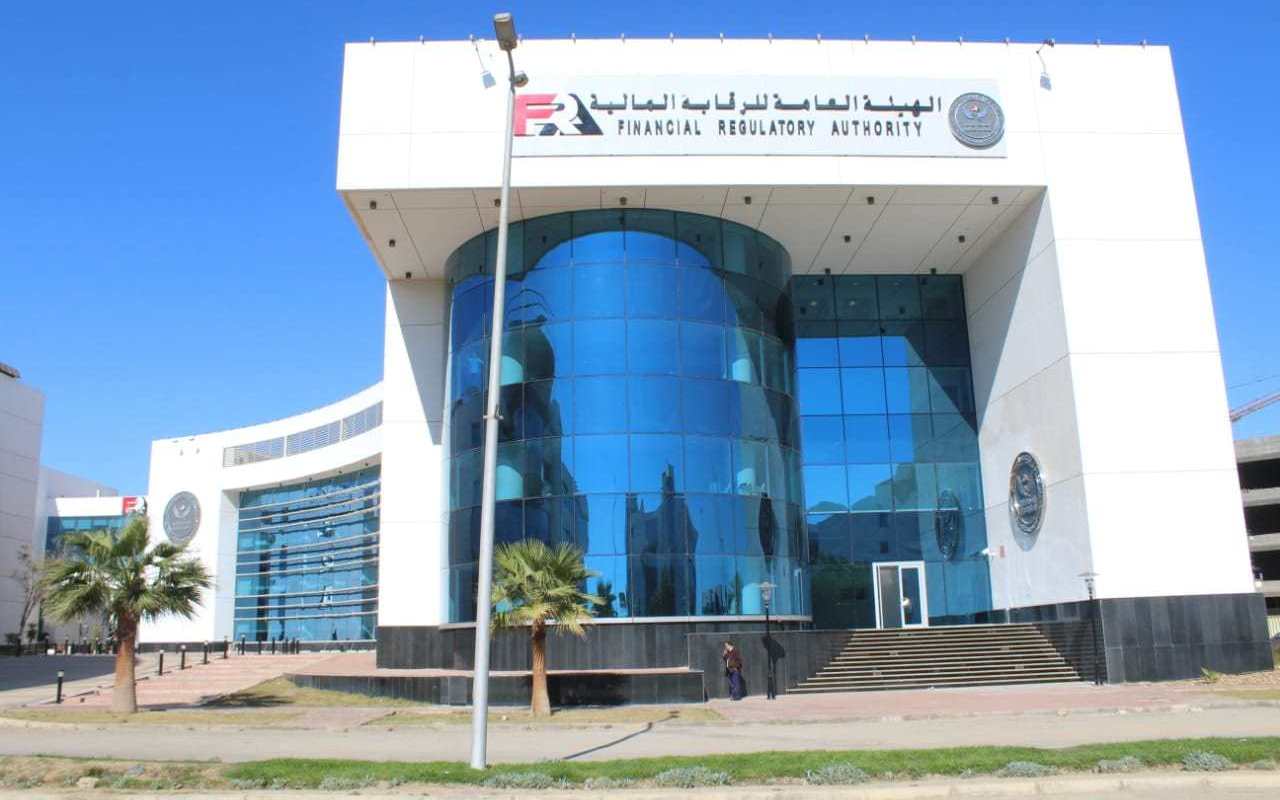
The report's key achievement for 2024 was the completion and official launch of the legislative framework for the voluntary carbon market. This initiative, attended by six ministers and relevant stakeholders, marks a significant step toward a low-emission economy and underscores the FRA's commitment to a balanced and sustainable environmental system.
The report also details the sustainability practices adopted
by the FRA in line with Egypt's Vision 2030, including expanding the promotion
of the voluntary carbon market both locally and internationally. This has led
to an increase in climate-linked financial tools and the registration of
projects from Egypt, Oman, Nepal, India, and Bangladesh.
In an unprecedented move, the report includes a measurement
of the FRA's own carbon footprint for 2024, making it the first Egyptian
regulatory body to do so. This was conducted by a specialized national entity
registered with the FRA for the verification of carbon emissions.
These registered verification and validation entities are
responsible for measuring and documenting environmental projects that reduce
carbon emissions. They study project information—including objectives,
technologies, and estimated emissions reductions—to ensure the data is
accurate. This process allows investors and the public to verify that
registered projects are meeting their stated goals. The FRA's registry
currently includes six local and foreign entities.
The FRA's efforts are a continuation of the state's initiatives
to develop regulated markets, as announced at COP27. These efforts have
resulted in nine regulatory decisions that established the regional framework
for the voluntary carbon market, leading to the creation of five registries.
Additionally, six local and foreign verification entities are now operating,
which has facilitated the processing of more than 170,000 tons of carbon
emissions through 34 registered projects across Egypt, Oman, Nepal, India, and
Bangladesh.
The FRA's actions include a decision from the Prime
Minister's office, based on an FRA proposal, to amend the Capital Market Law's
executive regulations to classify carbon emission reduction certificates as a
financial instrument. This was followed by the formation of the first committee
to oversee carbon reduction units.
The FRA also issued a decision regulating the standards for registering verification and validation entities, followed by rules for listing carbon reduction certificates on Egyptian stock exchanges. It also accredited rules for local voluntary carbon registries, which serve as electronic central storage systems for issuing, registering, and tracking the ownership of carbon reduction certificates. Finally, it approved the settlement rules for voluntary carbon certificates on Egyptian stock exchanges.