
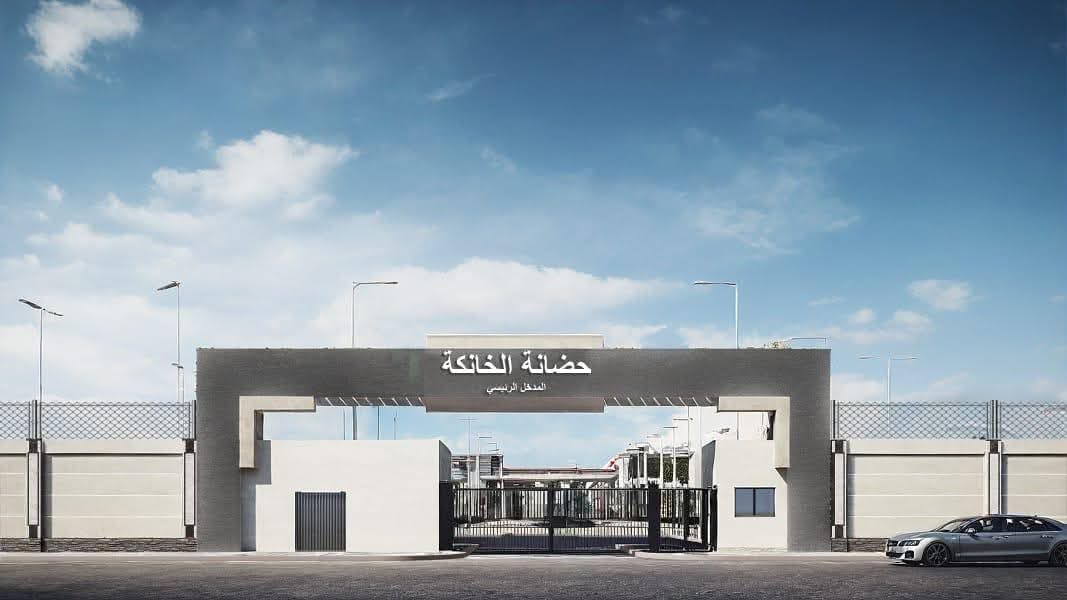
The scrapyard in Al-Khanqa, Qalyubia, is 30% complete as of
July, with construction on track with environmental standards, the ministry
reported.
The 210-million-Egyptian-pound ($4.4 million) project,
funded by the ministry's investment plan, broke ground in March. Awad,
alongside Qalyubia Governor Ayman Attia, laid the cornerstone for what is
touted as the first-of-its-kind facility in Egyptian governorates.
Spanning 8.5 acres, the site is strategically located
between the Port Said Road and the Ismailia Canal.
Minister Awad emphasized the project's goal to streamline
the process of impounding and scrapping vehicles, eliminating haphazard vehicle
storage in residential zones. This initiative seeks to maximize the use of
public assets and generate direct economic benefits for citizens.
The facility's design was a collaborative effort between the
ministry's Strategic Management Sector engineers and the Center for
Architectural and Engineering Design Support at Cairo University. The Military
Engineers Department, part of the Armed Forces Engineering Authority, is the
executing agency.
According to a report received by Awad from Saeed Helmy,
head of the ministry's Strategic Management and Local Development Sector, the
facility will accommodate over 1,200 vehicles in its auction and scrapping
yards. It will feature a 700-square-meter inspection yard, a 2,000-square-meter
auction yard, maintenance workshops, a car wash, and a permanent scrapping yard
with a capacity for up to 1,000 vehicles. An integrated security system,
including four surveillance towers and three main entrances, will also be in
place, along with dedicated electricity rooms and emergency generators.
Field reports confirm that excavation, waste removal, and
foundation work for administrative buildings, electrical rooms, and the
inspection building are complete. Subgrade work is currently underway in the
scrapping yards.
Awad highlighted the project's potential to significantly improve Qalyubia's urban landscape by offering a comprehensive model for managing impounded and dilapidated vehicles. This, she noted, will enhance city aesthetics, eliminate disorganization, and help alleviate traffic congestion. The minister added that the project could serve as a blueprint for other governorates looking to upgrade their informal vehicle holding areas, ultimately improving environmental services, traffic flow, and the quality of life for residents.