
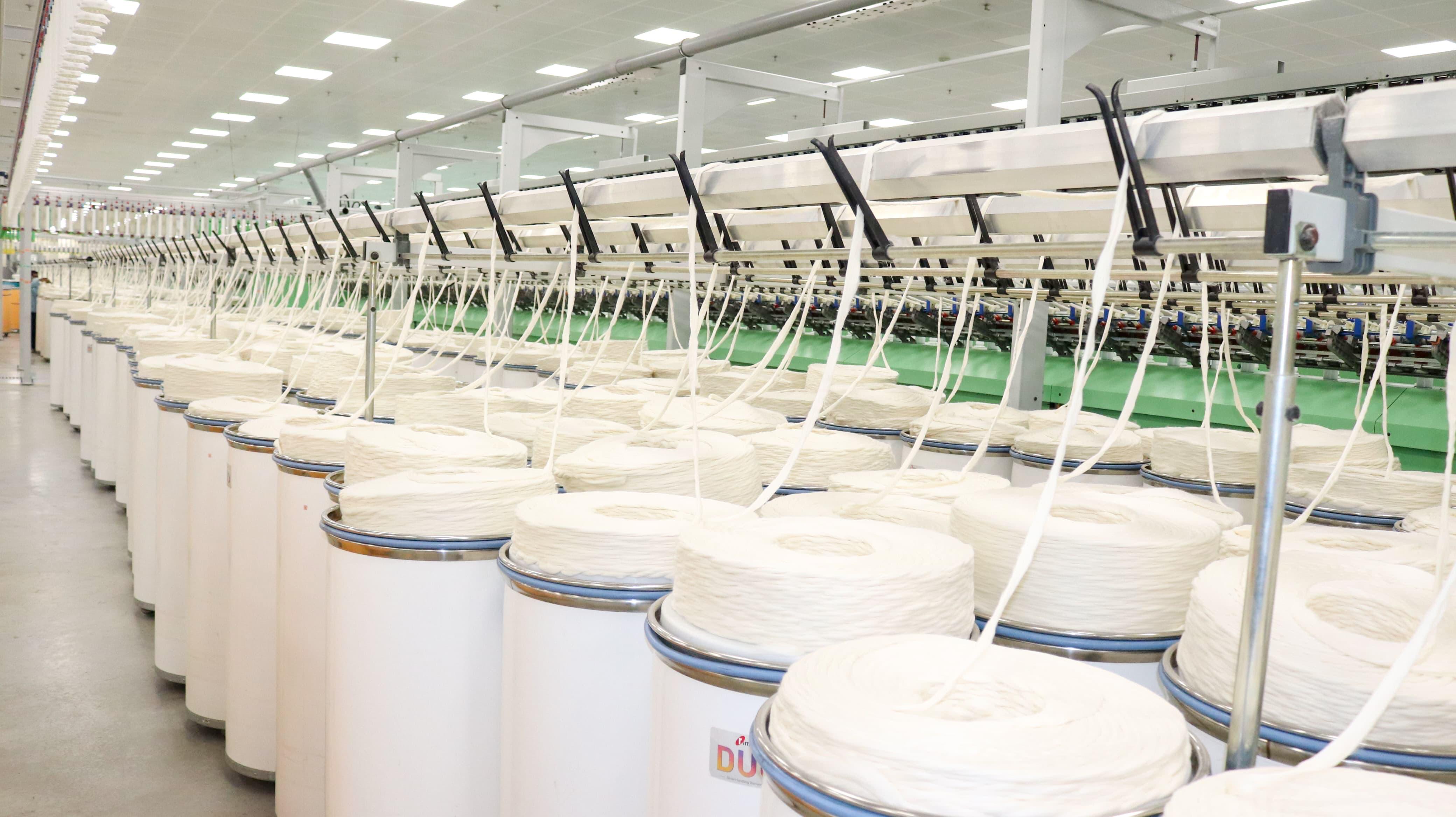
The Ministry's indicators showed that GDP growth in the fourth quarter of FY 2024/2025 accelerated to 5 percent, significantly up from 2.4 percent recorded in the same quarter of the previous fiscal year.
Minister of Planning, Economic Development, and
International Cooperation Dr. Rania Al-Mashat confirmed that the positive trend
was supported by growth in the Non-Petroleum Manufacturing sector.
Al-Mashat attributed this development to state initiatives
aimed at advancing the industrial sector, which include: a support programme
for priority industrial sectors offering concessional loans to finance production
lines and purchase machinery, and initiatives supporting Small and Medium
Enterprises (SMEs).
The non-petroleum manufacturing sector was the largest
contributor to the country's overall growth in the last fiscal year, leading
the economic recovery by shifting from contraction to significant growth,
according to the Ministry of Planning.
The sector achieved an annual growth rate of approximately 14.7
percent in FY 2024/2025, a sharp rebound from a 5.2 percent contraction
recorded in FY 2023/2024.
The ministry stated that the sector's recovery began in the
final quarter of the previous fiscal year (FY 2023/2024) with a 4.7 percent
growth rate—its first positive rate since the first quarter of FY 2022/2023.
This turnaround reflects the effectiveness of government policies implemented
since March 2024, including customs release procedures for production inputs
and structural reforms.
Throughout FY 2024/2025, the sector posted consistently high
growth rates:
7.1 percent in the first quarter (Q1).
17.7 percent in Q2.
16 percent in Q3.
A record high of 18.8 percent in the fourth quarter (Q4).
As a result, the non-petroleum manufacturing sector
contributed 12.6 percent to the total GDP value for the year and accounted for
about 1.7 percentage points of the total 4.4 percent GDP growth.
The positive economic performance, which saw strong growth in
the non-petroleum manufacturing sector, aligns with the Egyptian government's
goals under its "National Narrative for Economic Development: Growth and
Employment Supporting Policies."
The ministry noted that the achieved growth components were consistent with the objective of maximising the contribution of tradable and high-value-added sectors. This shift signals a new economic model focused on macroeconomic stability and transitioning to higher-productivity sectors, which, the ministry said, "confirm[s] the viability of the reform path adopted by the state."