
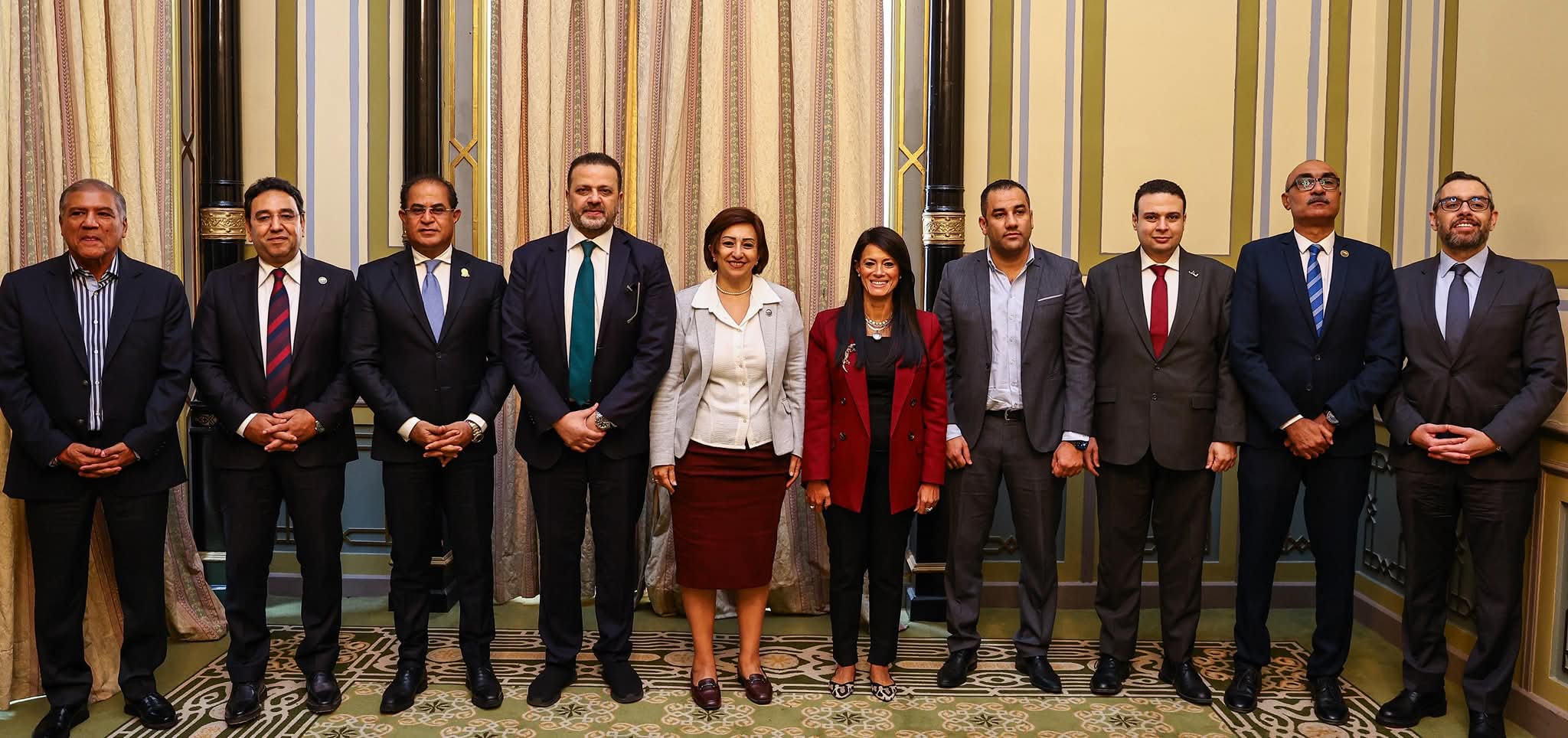
The initiative, launched on September 7 under the patronage of Prime Minister Dr. Moustafa Madbouly, seeks to gather feedback from a wide range of stakeholders, including ministers, multilateral and bilateral development partners, and private sector representatives.
Following the narrative's online publication on September
14, Planning Minister Dr. Rania Al-Mashat has held intensive sessions with
independent economists, parliamentarians, political party members, writers,
thinkers, and media representatives.
Al-Mashat expressed her appreciation for the
"significant momentum" the narrative has generated among specialists.
She said the government welcomes all feedback and that the purpose of the
public dialogue is to allow all stakeholders to contribute their valuable
insights and recommendations.
She noted that the public dialogues are a key phase in
developing the narrative, a process that began in October 2024. The sessions
are set to continue with universities, think tanks, and research centers over
the next two months, with the participation of relevant ministers.
In addition to the in-person sessions, the ministry has also
launched a "Participate" campaign on its website, making the full
details of the narrative available for public comment.
The discussions have so far covered key topics, including
macroeconomic stability, foreign direct investment, industrial development,
foreign trade, labor market efficiency, and regional planning for economic
localization.
Prominent participants in the sessions included Amr Moussa,
former Secretary-General of the Arab League, Ziad Bahaa El-Din, former Deputy
Prime Minister, Ahmed Galal, former Minister of Finance, Engineer Mohamed ElSewedy,
Head of the Federation of Egyptian Industries, and a number of other leading
economists and public figures.
The National Economic Development Narrative is an overarching framework that integrates the government's work program for 2024/2025-2026/2027 with Egypt's Vision 2030. It aims to transition to an economic model that prioritizes macroeconomic stability, focuses on highly productive sectors, and redefines the state's role to boost competitiveness and private sector participation. It also serves as an economic reform program and a promotional tool to highlight investment opportunities, policies, and structural reforms.