
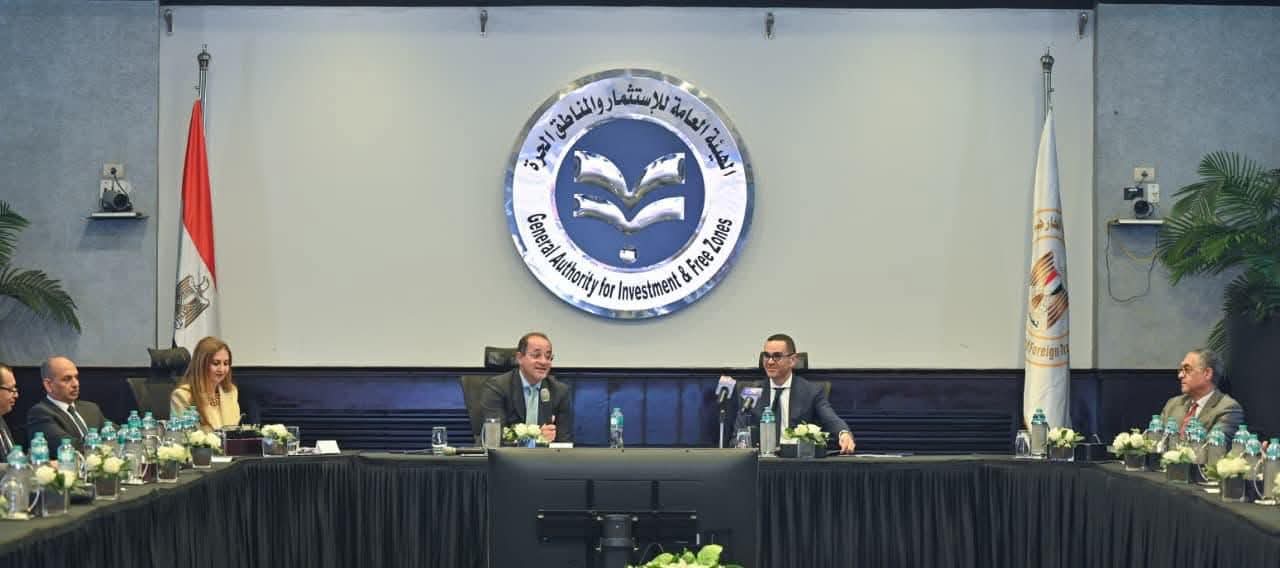
El-Khatib said the World Bank Group's "Business Readiness" report is a key reference for investors and stressed that the government aims to be among the top 50 countries in the report to attract more foreign direct investment (FDI). He added that the report serves as a strategic guide for reforms, helping governments adopt legislative, procedural, and digital policies that build a competitive investment environment.
Egypt participated in preparing a matrix of reforms through
10 working committees that addressed the report's 10 topics. The committees,
which included private sector experts, held 36 sessions from April to August.
While Egypt does not have an import problem, as essential
goods make up 93% of imports, El-Khatib said the real challenge is exports,
which account for less than 10% of the national output. The government aims to
double this figure through a series of foreign trade reforms.
The Minister noted that 29 reform measures have been
implemented with the Finance Ministry to reduce customs clearance time and
costs, with a goal of two days and a future target of just a few hours. The
government is also working on foreign trade reforms, protecting national
industries, launching a digital portal, and boosting Egypt's presence in
African markets.
El-Khatib also announced a joint study with the Finance
Ministry to assess non-tax financial burdens on companies, calling it the first
comprehensive survey of fees and service charges borne by economic entities.
He reviewed sectors targeted by the 2025-2030 FDI strategy,
which include those ready for immediate promotion and others that need further
reforms. He said the government is working on identifying investment
opportunities and detailed targets for each sector, in addition to digital transformation
efforts such as launching a licensing platform with 389 licenses and an
upcoming economic entities platform.
For his part, Kouchouk said the government is undertaking
comprehensive port development and tax system modernization, noting a new
package of 25 tax reforms will be announced soon. He added that new amendments
to the customs law are being drafted to simplify procedures, reduce clearance
times, and increase community participation by making draft laws available for
public discussion.
Earlier, Dr. Dalia El-Hawary, Vice President of the
Investment Authority and Head of the Technical Secretariat for the
"Business Readiness" report committee, gave a presentation on the
report's structure. She explained that the report is based on three pillars:
the legislative and regulatory framework, digital transformation, and the
operational efficiency of services. She outlined the current status and future
plan to implement the reform matrix for Egypt's official participation in the
third edition of the report in 2026, which will cover 180 countries.
During the meeting, business leaders offered their suggestions for improving the business environment. Al-Khatib encouraged participants to submit written proposals for detailed study and potential integration into ongoing reforms.