
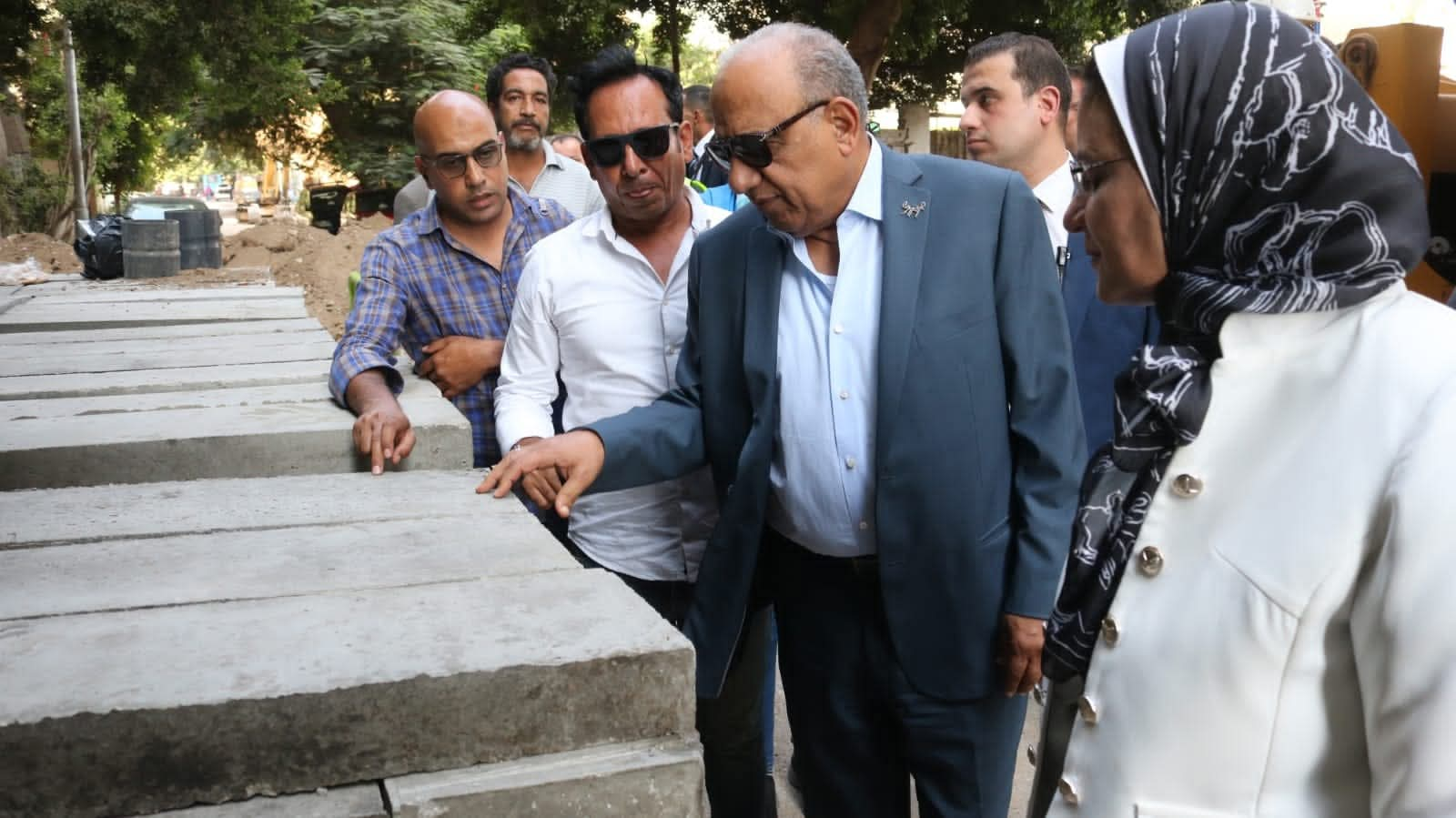
Accompanied by Engineer Mona Rizk, Chairperson of the
Egyptian Electricity Transmission Company (EETC), Dr. Esmat monitored the
project’s implementation. He emphasized the importance of adhering to the
schedule. The third feed will connect Dahab Island Station to the Basateen
Transformer Station via 66 kV cables. The directional tunnel stretches 672
meters at a depth of 28 meters, passing through Ali El Garem and El Bahr El
Aazam streets in Giza. He received detailed briefings on surface excavation,
coordination with authorities, the underwater tunnel path, external connection
points, and other technical safeguards.
Dr. Esmat also checked the operation of the other two feed
sources to ensure the substation can operate at full capacity through the
primary source and the additional tunnel-fed source under the railway lines. He
closely monitored load growth, as well as the stability and continuity of
electricity supply in the area and surrounding regions during peak periods.
These measures are part of a broader plan to manage loads and reinforce power
sources within Giza Governorate.
He emphasized that the project is part of a comprehensive
plan based on careful monitoring of performance indicators during peak demand,
especially amid high temperatures. He noted recent meetings between the
National Electricity Grid Operator and distribution companies. He confirmed
that Egypt’s unified electricity grid is safe, robust, and stable, successfully
handling unprecedented loads this summer, with peak demand approaching 40,000
MW. These challenges were managed through a phased plan developed prior to the
summer to secure the network and ensure continuity of supply.
The minister highlighted the importance of stable
electricity supply, meeting sectoral demand, and improving service quality. He
stressed close monitoring of operational data, consumption, losses, and
electricity theft, ensuring data accuracy, intensifying inspections, and
incorporating lessons learned into interim and future plans.
Dr. Esmat added that expanding renewable energy and local
manufacturing of related equipment remains a top priority. The Ministry
continues to implement measures to secure sustainable, clean, and
cost-effective energy sources. Ongoing projects include extending transmission
lines, increasing transformer capacities, and expanding storage systems to
maintain supply stability.
He concluded by emphasizing electricity’s role as a
cornerstone of Egypt’s comprehensive development plan, noting continuous
monitoring across all network levels, the field presence of company executives
and operations staff, and direct communication with consumers through an
integrated complaints and reporting system for rapid response.