
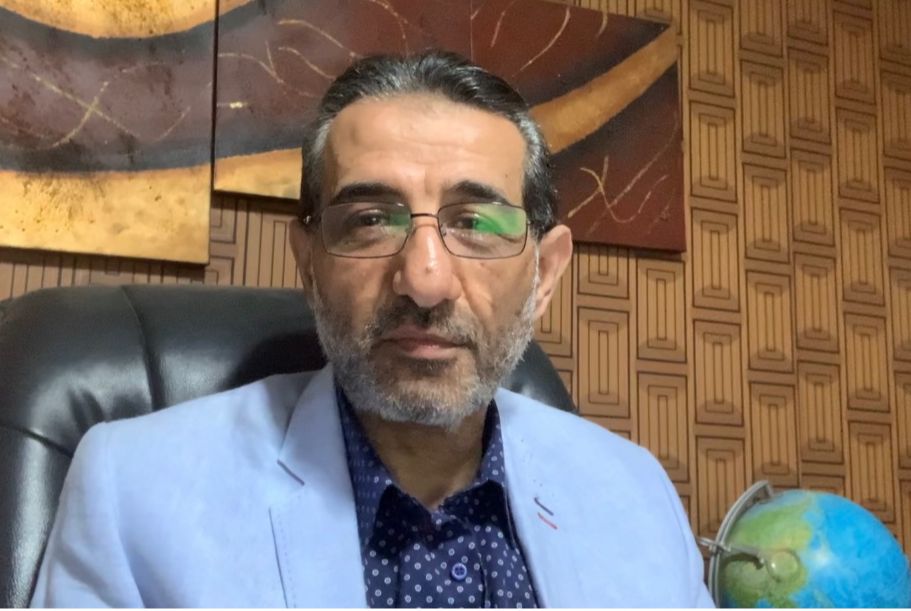
In press statements, El-Samadouni said that while the Egyptian government has already provided strong incentives to major international companies—a fact recognized by international institutions—more is needed. He added that the continuous government efforts to bolster the canal’s role as a key hub for global trade should be supported by additional attractive measures.
El-Samadouni noted that the slight improvement in the Red
Sea situation and the gradual return of shipping companies to the waterway are
expected to help the canal reclaim its strategic importance, especially with
ongoing investments in its economic zones.
He pointed out that the Suez Canal suffered from the
repercussions of the Red Sea crisis, which led to a sharp decline in revenues
of over 60% last year. He also mentioned that despite the crisis, operations at
the canal never stopped. The canal has even started offering new services, such
as marine rescue, water ambulance services, pollution control, ship maintenance
and repair, and refueling.
According to President Abdel Fattah El-Sisi, the canal's
losses reached approximately $7 billion due to several shipping companies
diverting to alternative routes like the Cape of Good Hope. However,
Al-Samadouni affirmed that the Suez Canal Economic Zone Authority is continuing
to implement ambitious investment plans to support the Egyptian economy despite
the existing challenges.
El-Samadouni cited international institutions like Fitch Solutions, which confirmed that the Suez Canal expansion, which became effective in the first quarter of 2025, has increased its capacity by an additional 6 to 8 ships per day and improved its ability to handle potential emergencies. He expects the current fiscal year to see a recovery in the canal’s traffic.