
The study praised the initiative's success, attributing it
to the institutional stability and wise leadership of the Social Housing and
Mortgage Finance Fund.
Minister of Housing, Utilities, and Urban Communities, Engineer
Sherif El Sherbiny, expressed satisfaction with the findings, stating they
confirm Egypt is "on the right track" and commending the political
leadership's vision and support for the initiative.
May Abdel Hamid, CEO of the Social Housing and Mortgage
Finance Fund, highlighted the international recognition as clear evidence of
Egypt's commitment to offering accessible housing under unprecedented,
affordable terms. She added that the fund is ready to share Egypt's experience
with other interested nations and acknowledged her team's crucial role in these
achievements.
The study emerged from a workshop for central bank
delegations, organized by the AFI, UN-Habitat, and the Central Bank of Egypt,
which included a field visit to "Housing for All Egyptians" units.
Launched in 2014, the program aimed to address Egypt's
housing crisis, tackle the proliferation of informal settlements where 40% of
urban households once lived, and counter housing prices that far exceeded most
citizens' purchasing power.
The initiative initially struggled to secure bank
participation, especially given that 65% of target beneficiaries had no prior
banking experience. Starting with just four banks, the program now partners
with 30 financing entities, including 22 banks and eight mortgage finance
companies.
The study also highlighted the Central Bank's mortgage
finance initiative, which has ensured the project's sustainability by providing
beneficiaries with unprecedented subsidized interest rates, with the state
covering the interest rate support.
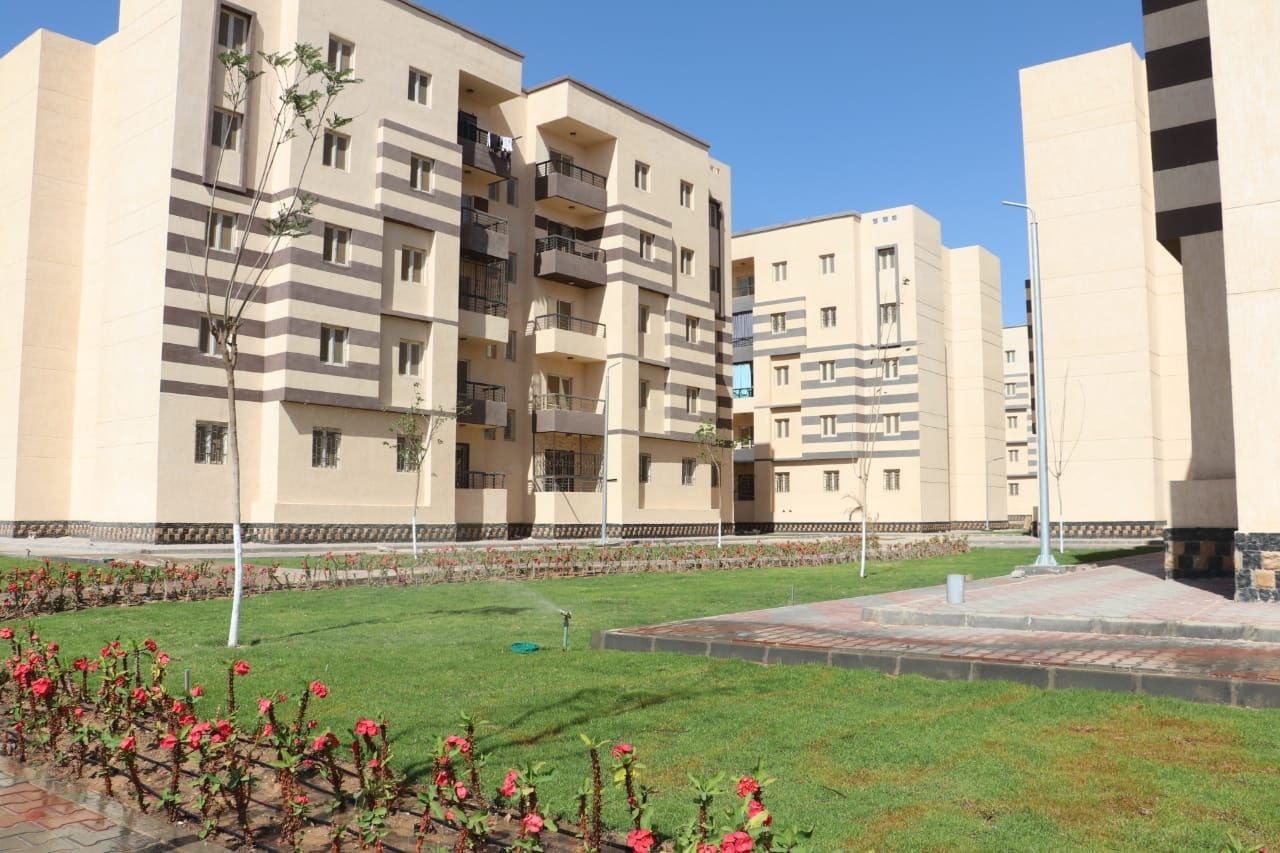
The "Housing for All Egyptians" initiative has
achieved significant results:
One million housing units have been offered to low-income
citizens,
Over 650,000 units have been delivered, benefiting
approximately 3 million people,
85% of units were built in new cities, with 15% in
governorates, and
Two thousand contracting companies created 4.2 million
direct and indirect jobs.
The initiative has also reduced informal settlements from 40% to 25%, increased the real estate sector's contribution to GDP from 8% to 12%, and contributed 1% to 2% to annual GDP growth.