
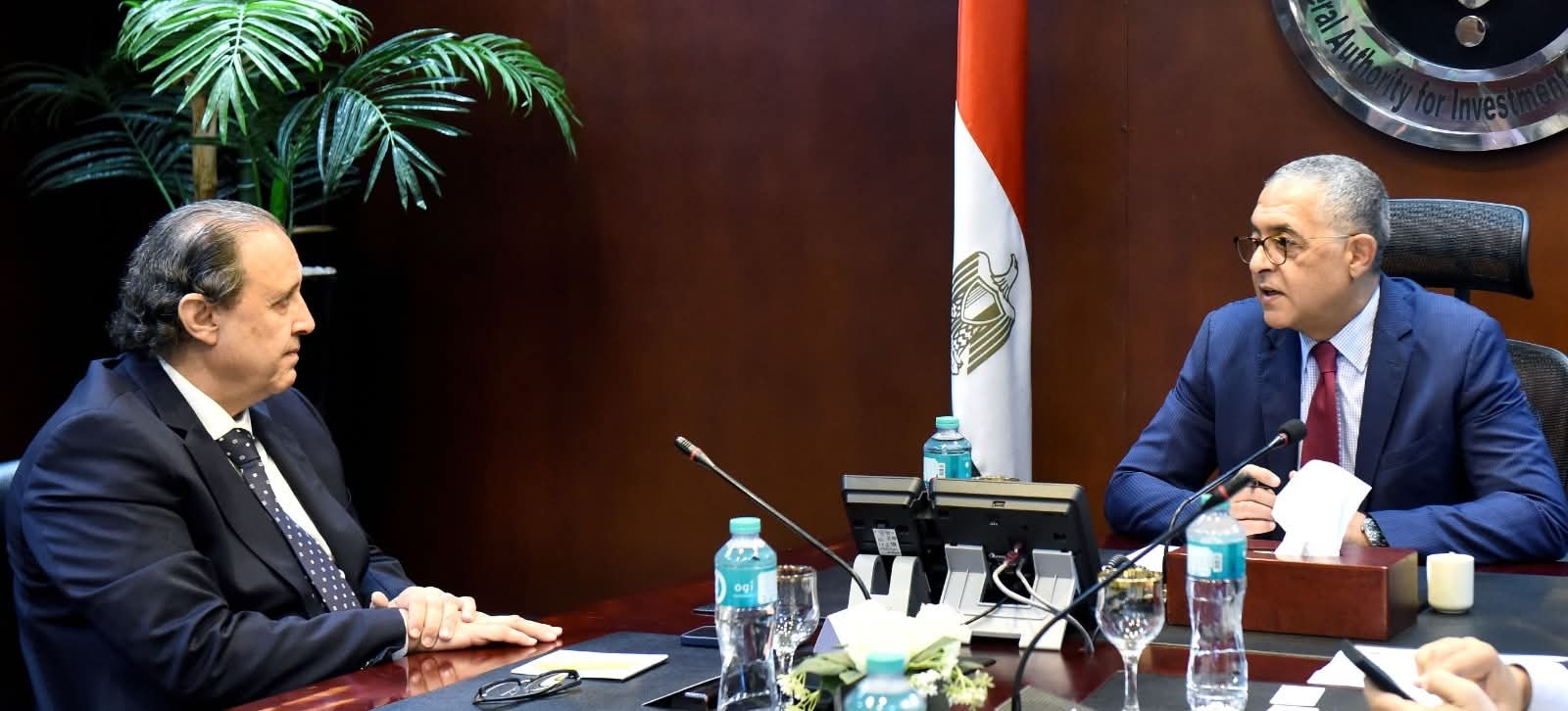
The Hong Kong-based Crystal Martin Group intends to build
its own factory in Egypt within the country's free zones system. This ambitious
project will cover an area of 1.5 million square meters and is projected to create
4,000 job opportunities. A key objective is to localize the company's
technology in Egypt and establish a highly efficient, high-value-added supply
chain that utilizes 60% to 70% local components.
Heiba emphasized that Egypt possesses all the necessary
elements to become a global center for ready-made garment manufacturing and
trade. He pointed to a recent surge in demand for textile and apparel
manufacturing in Egypt, coupled with substantial improvements in the country's
road and port networks. These infrastructure enhancements efficiently connect
Egypt's manufacturing hubs to international markets at competitive costs.
GAFI has dedicated recent years to studying successful
textile and ready-made garment re-export models from leading countries, as well
as the specific needs of major brands in this sector. Heiba anticipates that Egypt
will emerge as the regional hub for textile and apparel manufacturing and trade
in the Mediterranean within two years. This vision is supported by the planned
establishment of regional offices for major international brands in Egypt and
the commencement of production at numerous new factories. Additionally, there's
a strategic expansion of public and private free zones in key cities like
Minya, New Alamein, 10th of Ramadan, Sadat, and the Suez Canal Economic Zone.
Heiba highlighted the high efficiency and competitive pricing of Egyptian
production services compared to other regional markets.
Engineer Hany Salam, from the Export Council, reaffirmed
Egypt's readiness to become a regional manufacturing and trade center for all
textile products. He specifically cited the massive advancements in
infrastructure and the significant reduction in government administrative
processing times, especially concerning free zones and customs checkpoints.
This streamlining greatly facilitates and accelerates import and re-export
operations. Salam also confirmed the Export Council's commitment to supporting
GAFI's promotional efforts to attract global companies to open offices in Cairo
and establish distribution centers within Egypt's public and private free
zones, aligning with the sector's specific needs.
Daniel Stockdell, Crystal Martin's Vice President of
Operations, confirmed the company's plan to relocate a substantial portion of
its production to Egypt. This decision is motivated by attractive tax and
non-tax incentives, streamlined setup and operational procedures, and the
availability of a skilled workforce. Production at the company's new factories
is expected to commence within two years, primarily targeting export markets
with which Egypt holds trade agreements, particularly the European Union and
the United States.
Stockdell also indicated Crystal Martin's intention to apply
for Egypt's Golden License to fast-track construction and operational
processes. He noted that the company's investment aligns perfectly with the
Golden License criteria, including intensive labor utilization, technology
transfer, a strong focus on training, and an emphasis on exports, all of which
are consistent with the Egyptian government's development strategy.
Crystal Martin Group boasts an estimated annual turnover of $2.5 billion and manufactures for renowned global brands such as Levi's, Adidas, and Nike through its extensive network of factories in China and Southeast Asia.