
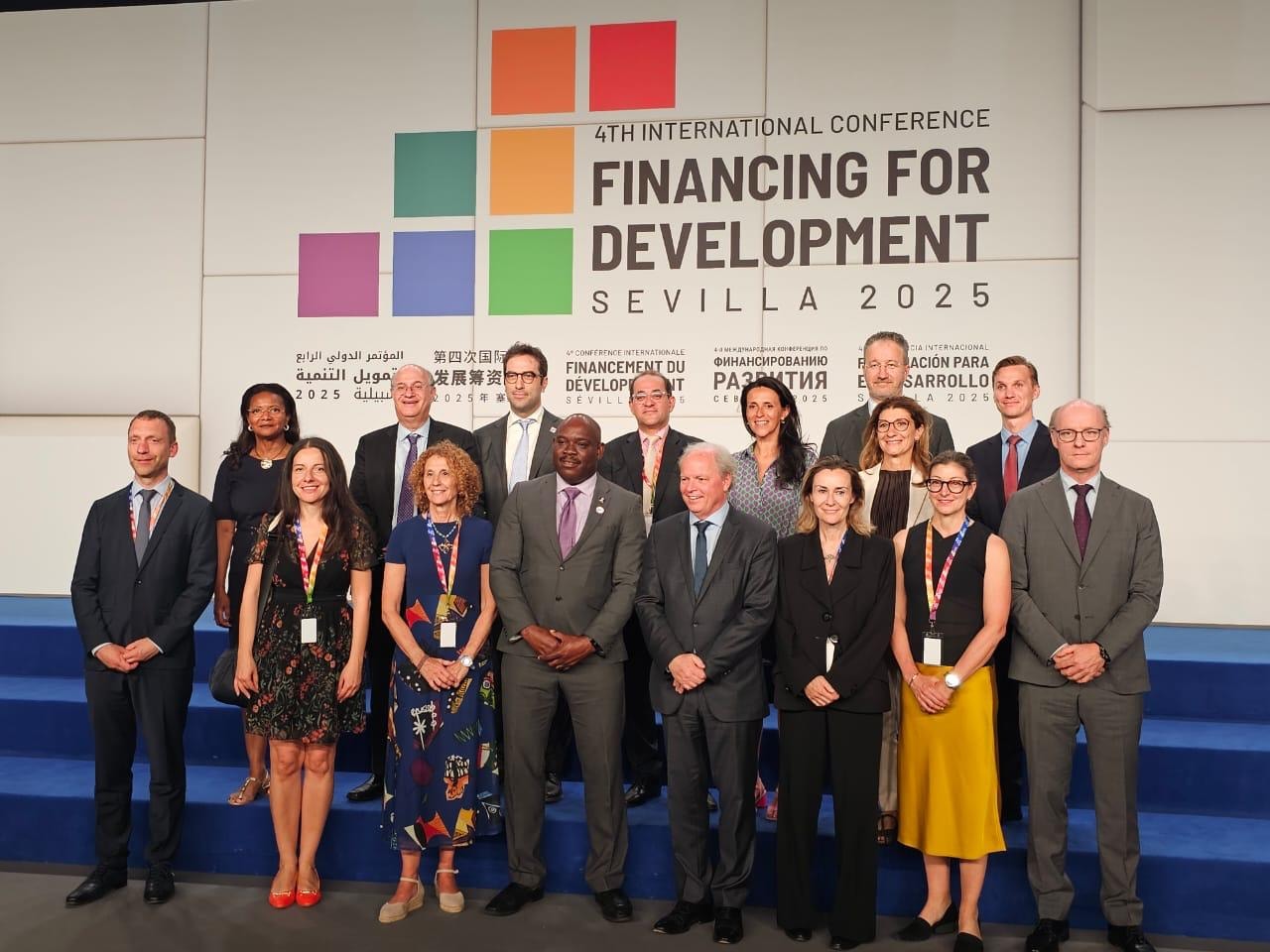
Kouchouk noted that the debt crisis poses a direct threat to development efforts and undermines the ability of developing countries to achieve the Sustainable Development Goals. He affirmed Egypt’s commitment to expanding access to development finance and encouraging the broader use of innovative financing instruments.
He pointed to several key proposals under discussion, including blended finance, guarantees, the reallocation of Special Drawing Rights, and enhanced risk-sharing mechanisms through development banks. He stressed that development cooperation must align with national reform priorities. Egypt, he added, has implemented a range of measures to support private sector growth, boost economic competitiveness, and improve the overall investment climate. Private investments now represent over 60 percent of total implemented investments and continue to grow steadily.
The Minister also highlighted Egypt’s introduction of a comprehensive package of tax incentives designed to build trust with taxpayers and broaden the tax base. This has led to exceptional growth in tax revenues without imposing additional burdens. On the contrary, Egypt has reduced the tax load while channeling revenues toward healthcare, education, and social protection programs targeting vulnerable groups.
On the sidelines of the Fourth International Conference on Financing for Development in Spain, Kouchouk met with Robert van der Zee, Chief Financial Officer of the World Food Programme. He reaffirmed Egypt’s commitment to strengthening international partnerships to advance food security and sustainable development. He further emphasized the importance of diversifying concessional financing sources and deepening cooperation with global partners to address shared challenges.